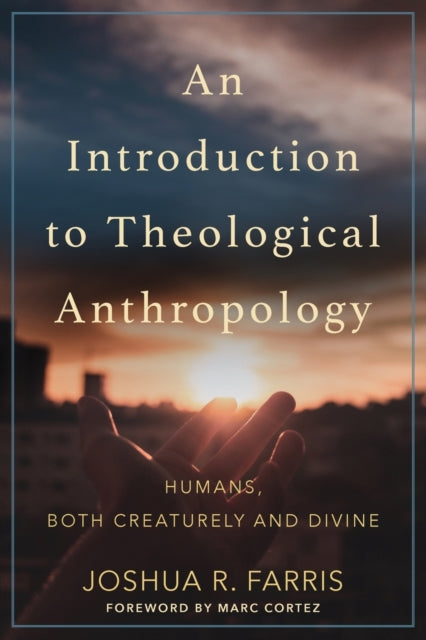
Joshua R. Farris
Introduction to Theological Anthropology: Humans, Both Creaturely and Divine
Introduction to Theological Anthropology: Humans, Both Creaturely and Divine
💎 Earn 95 Points (£0.95) on this item.
YOU SAVE £7.89
- Condition: Brand new
- UK Delivery times: Usually arrives within 2 - 3 working days
- UK Shipping: Fee starts at £2.39. Subject to product weight & dimension
Bulk ordering. Want 15 or more copies? Get a personalised quote and bigger discounts. Learn more about bulk orders.
Couldn't load pickup availability
- More about Introduction to Theological Anthropology: Humans, Both Creaturely and Divine
Joshua Farris provides an evangelical perspective on theological anthropology, addressing key issues like sexuality, posthumanism, and the image of God. He explores the creaturely and divine nature of humans, the body-soul relationship, and beatific vision.
Format: Paperback / softback
Length: 336 pages
Publication date: 21 April 2020
Publisher: Baker Publishing Group
Joshua Farris provides a comprehensive exploration of theological anthropology in this engaging book. From an evangelical perspective, he delves into various key themes within traditional approaches to anthropology, including sexuality, posthumanism, and the portrayal of God. Farris guides the reader through these complex subjects, addressing fundamental inquiries such as "Who am I?" and "Why do I exist?" He also examines the essence of human beings, their relationship between body and soul, and the concept of beatific vision.
Sexuality is a central theme in theological anthropology, as Farris explores the biblical and cultural perspectives on human sexuality. He discusses the origins and significance of human sexuality, the role of gender in shaping sexual identity, and the challenges and controversies surrounding sexual morality and ethics. Farris emphasizes the importance of understanding sexuality in the context of God's design and purpose for human beings, and he offers insights into how Christians can navigate these complex issues in a way that aligns with their faith.
Posthumanism is another topic that Farris examines in depth. He explores the concept of humans as posthuman beings, who are no longer defined by their biological nature but by their technological advancements and cultural achievements. Farris questions the implications of posthumanism for human identity, morality, and the relationship between humans and God. He suggests that posthumanism offers an opportunity for Christians to reimagine their understanding of humanity and its place in the world.
The portrayal of God in theological anthropology is also a significant focus. Farris explores the different ways in which Christians have interpreted and understood the nature of God, including the traditional understanding of God as a transcendent being and the more recent emergence of non-traditional perspectives such as pantheism and process theology. He discusses the challenges and benefits of these different perspectives and encourages Christians to engage in respectful dialogue and exploration of these ideas.
In addition to these core themes, Farris also addresses a range of other issues related to theological anthropology, such as the nature of the soul, the afterlife, and the role of religion in shaping human society. He offers insights into these topics based on his own theological beliefs and experiences, and he encourages readers to engage in thoughtful reflection and discussion.
Overall, Joshua Farris's Theological Anthropology is a valuable resource for anyone interested in exploring the intersection of theology, anthropology, and human experience. Through his comprehensive and engaging approach, Farris provides readers with a deeper understanding of the complex issues surrounding human sexuality, posthumanism, and the portrayal of God. He offers insights and perspectives that can help Christians navigate these topics in a way that aligns with their faith and values.
Sexuality is a central theme in theological anthropology, as Farris explores the biblical and cultural perspectives on human sexuality.
He discusses the origins and significance of human sexuality, the role of gender in shaping sexual identity, and the challenges and controversies surrounding sexual morality and ethics.
Farris emphasizes the importance of understanding sexuality in the context of God's design and purpose for human beings, and he offers insights into how Christians can navigate these complex issues in a way that aligns with their faith.
Posthumanism is another topic that Farris examines in depth.
He explores the concept of humans as posthuman beings, who are no longer defined by their biological nature but by their technological advancements and cultural achievements.
Farris questions the implications of posthumanism for human identity, morality, and the relationship between humans and God.
He suggests that posthumanism offers an opportunity for Christians to reimagine their understanding of humanity and its place in the world.
The portrayal of God in theological anthropology is also a significant focus.
Farris explores the different ways in which Christians have interpreted and understood the nature of God, including the traditional understanding of God as a transcendent being and the more recent emergence of non-traditional perspectives such as pantheism and process theology.
He discusses the challenges and benefits of these different perspectives and encourages readers to engage in respectful dialogue and exploration of these ideas.
In addition to these core themes, Farris also addresses a range of other issues related to theological anthropology, such as the nature of the soul, the afterlife, and the role of religion in shaping human society.
He offers insights into these topics based on his own theological beliefs and experiences, and he encourages readers to engage in thoughtful reflection and discussion.
Overall, Joshua Farris's Theological Anthropology is a valuable resource for anyone interested in exploring the intersection of theology, anthropology, and human experience.
Through his comprehensive and engaging approach, Farris provides readers with a deeper understanding of the complex issues surrounding human sexuality, posthumanism, and the portrayal of God.
He offers insights and perspectives that can help Christians navigate these topics in a way that aligns with their faith and values.
Weight: 506g
Dimension: 154 x 228 x 28 (mm)
ISBN-13: 9780801096884
UK and International shipping information
UK and International shipping information
UK Delivery and returns information:
- Delivery within 2 - 3 days when ordering in the UK.
- Shipping fee for UK customers from £2.39. Fully tracked shipping service available.
- Returns policy: Return within 30 days of receipt for full refund.
International deliveries:
Shulph Ink now ships to Australia, Belgium, Canada, France, Germany, Ireland, Italy, India, Luxembourg Saudi Arabia, Singapore, Spain, Netherlands, New Zealand, United Arab Emirates, United States of America.
- Delivery times: within 5 - 10 days for international orders.
- Shipping fee: charges vary for overseas orders. Only tracked services are available for most international orders. Some countries have untracked shipping options.
- Customs charges: If ordering to addresses outside the United Kingdom, you may or may not incur additional customs and duties fees during local delivery.