Martha London
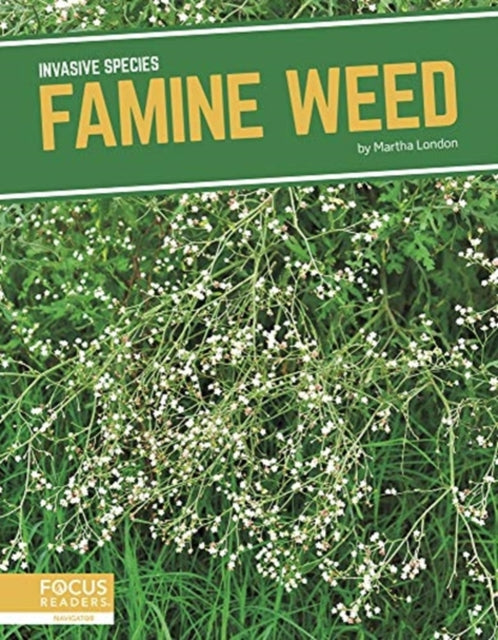
Invasive Species: Famine Weed
Invasive Species: Famine Weed
We can order this item for you. Delivery usually takes about 4 to 6 weeks.
This item is not held in our immediate stock. We will order it for you after checkout.
Estimated delivery: About 4 to 6 weeks
YOU SAVE £3.47
- Condition: Brand new
- UK Delivery times: Usually arrives within 2 - 3 working days
- UK Shipping: Fee starts at £3.89. Subject to product weight & dimension
Bulk ordering. Want 15 or more copies? Get a personalised quote and bigger discounts. Learn more about bulk orders.
Couldn't load pickup availability
- More about Invasive Species: Famine Weed
Famine weed is an invasive species that threatens ecosystems, and humans have contributed to its spread. Efforts are being made to manage it.
Format: Paperback / softback
Length: 32 pages
Publication date: 01 August 2021
Publisher: North Star Editions
Famine weed, an invasive species that has been introduced to many environments around the world, has a complex history and a multifaceted impact on ecosystems. Its origins can be traced back to Europe in the late 1800s, where it was initially brought as a crop for livestock feed. However, due to its aggressive growth and ability to outcompete native species, famine weed has become a problematic invasive species in many parts of the world.
One of the primary ways that famine weed has spread is through human activities. It has been intentionally planted in gardens, fields, and other areas as a ornamental plant, but it has quickly spread beyond these controlled environments. Famine weed can also be spread through wind, water, and animals, as its seeds can travel long distances and survive in a variety of conditions.
The threats that famine weed poses to ecosystems are significant. It can outcompete native species, reducing biodiversity and altering the structure of ecosystems. Famine weed also has the potential to cause soil erosion, as its deep roots can hold onto the soil and prevent it from absorbing water. Additionally, famine weed can produce toxic chemicals that can harm animals and humans, making it a dangerous species to have in ecosystems.
To manage famine weed, a variety of strategies have been employed. These include manual removal, chemical control, and biological control. Manual removal involves removing the weed by hand, while chemical control involves using herbicides to kill the weed. Biological control involves using natural predators or parasites to control the weed population.
Despite these efforts, famine weed remains a significant problem in many ecosystems. It is important to continue to monitor and manage this invasive species to protect the health and biodiversity of ecosystems.
Famine weed, an invasive species that has been introduced to many environments around the world, has a complex history and a multifaceted impact on ecosystems. Its origins can be traced back to Europe in the late 1800s, where it was initially brought as a crop for livestock feed. However, due to its aggressive growth and ability to outcompete native species, famine weed has become a problematic invasive species in many parts of the world.
One of the primary ways that famine weed has spread is through human activities. It has been intentionally planted in gardens, fields, and other areas as a ornamental plant, but it has quickly spread beyond these controlled environments. Famine weed can also be spread through wind, water, and animals, as its seeds can travel long distances and survive in a variety of conditions.
The threats that famine weed poses to ecosystems are significant. It can outcompete native species, reducing biodiversity and altering the structure of ecosystems. Famine weed also has the potential to cause soil erosion, as its deep roots can hold onto the soil and prevent it from absorbing water. Additionally, famine weed can produce toxic chemicals that can harm animals and humans, making it a dangerous species to have in ecosystems.
To manage famine weed, a variety of strategies have been employed. These include manual removal, chemical control, and biological control. Manual removal involves removing the weed by hand, while chemical control involves using herbicides to kill the weed. Biological control involves using natural predators or parasites to control the weed population.
Despite these efforts, famine weed remains a significant problem in many ecosystems. It is important to continue to monitor and manage this invasive species to protect the health and biodiversity of ecosystems.
In conclusion, famine weed is a complex invasive species that has a significant impact on ecosystems around the world. Its origins can be traced back to Europe in the late 1800s, where it was initially brought as a crop for livestock feed. However, due to its aggressive growth and ability to outcompete native species, famine weed has become a problematic invasive species in many parts of the world.
To manage famine weed, a variety of strategies have been employed, including manual removal, chemical control, and biological control. These strategies are important to protect the health and biodiversity of ecosystems and to prevent the spread of this invasive species. It is important to continue to monitor and manage famine weed to ensure that ecosystems remain healthy and sustainable for future generations.
Weight: 168g
Dimension: 183 x 350 x 11 (mm)
ISBN-13: 9781644939024
UK and International shipping information
UK and International shipping information
We deliver throughout the United Kingdom and to 128 countries and territories worldwide, including the United States, Australia, Canada, Germany, Spain and France.