Martha London
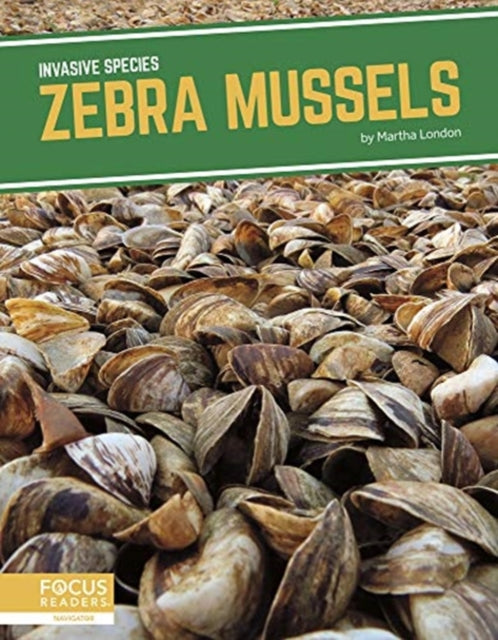
Invasive Species: Zebra Mussels
Invasive Species: Zebra Mussels
💎 Earn 38 Points (£0.38) on this item.
We can order this item for you. Delivery usually takes about 4 to 6 weeks.
This item is not held in our immediate stock. We will order it for you after checkout.
Estimated delivery: About 4 to 6 weeks
YOU SAVE £3.21
- Condition: Brand new
- UK Delivery times: Usually arrives within 2 - 3 working days
- UK Shipping: Fee starts at £2.39. Subject to product weight & dimension
Bulk ordering. Want 15 or more copies? Get a personalised quote and bigger discounts. Learn more about bulk orders.
Couldn't load pickup availability
- More about Invasive Species: Zebra Mussels
Zebra mussels are invasive species that humans have spread, posing threats to ecosystems. This book explores their role, spread, and management efforts.
Format: Paperback / softback
Length: 32 pages
Publication date: 01 August 2021
Publisher: North Star Editions
The impact of zebra mussels on introduced environments, the human-facilitated spread of the species, the threats they pose to ecosystems, and the ongoing management efforts are all explored in this comprehensive title. Additionally, the book offers a table of contents, two infographics, informative sidebars, a "Thats Amazing!" special feature, quiz questions, a glossary, additional resources, and an index. Designed for Focus Readers at the Navigator level, this title is suitable for reading levels ranging from grades 3 to 5 and interest levels spanning from grades 4 to 7.
The arrival of zebra mussels in new environments has had a significant impact on the ecosystems they have invaded. These small, invasive mussels are native to freshwater lakes in Central and Eastern Europe but have rapidly spread to many parts of the world through the ballast water of ships.
One of the primary ways in which zebra mussels have impacted introduced environments is by altering the food webs of lakes and rivers. Zebra mussels are filter feeders, which means they strain out small particles from the water as they feed. This filtering process can have a significant impact on the populations of other aquatic organisms, as it can remove large amounts of plankton and other food sources from the water.
In addition to filtering out food, zebra mussels can also create habitat for other aquatic organisms. They can attach themselves to rocks, logs, and other surfaces in the water, providing a safe place for small fish, insects, and other invertebrates to live. This can lead to an increase in biodiversity in the affected ecosystems.
However, zebra mussels also pose significant threats to ecosystems. They can reproduce rapidly, and a single zebra mussel can produce up to 30,000 eggs per day. This can lead to an overpopulation of the species, which can outcompete other aquatic organisms for food and space. Zebra mussels can also damage infrastructure, such as boat engines, water intake pipes, and power plants, by clogging them with their shells.
To manage zebra mussels, a variety of strategies have been employed. One of the most effective methods is the use of chemical control, which involves the application of pesticides to kill zebra mussels. However, chemical control can be harmful to other aquatic organisms and can also lead to the development of pesticide resistance in zebra mussels.
Another method of managing zebra mussels is physical removal, which involves manually removing zebra mussels from water bodies. This can be a labor-intensive and expensive process, but it can be effective in small, isolated populations.
In addition to these management strategies, public education and awareness are also important in preventing the spread of zebra mussels. This can involve educating boaters and other recreational users about the risks of transporting zebra mussels, as well as promoting the use of environmentally friendly cleaning practices to prevent the spread of invasive species.
Overall, zebra mussels have had a significant impact on introduced environments, and ongoing management efforts are necessary to prevent the spread of these invasive species and protect the ecosystems they have invaded.
The human-facilitated spread of zebra mussels is a complex issue that involves a combination of factors. One of the primary ways in which zebra mussels have been introduced to new environments is through the ballast water of ships.
Ballast water is the water that is held in the tanks of ships to maintain their stability and balance. When ships travel between different ports, they take on water that contains a variety of organisms, including algae, bacteria, and other aquatic creatures. This water is then released into the receiving port, where it can introduce new species to the local ecosystem.
Zebra mussels are particularly vulnerable to the effects of ballast water because they can survive in a wide range of water conditions and can reproduce rapidly. A single zebra mussel can produce up to 30,000 eggs per day, and these eggs can survive for up to two weeks in the water. This means that even a small amount of ballast water can contain a large number of zebra mussels, which can quickly establish a population in a new environment.
In addition to ballast water, zebra mussels can also be transported by other means, such as the movement of live animals or the accidental release of larvae. For example, zebra mussels can be attached to the bodies of fish or other aquatic animals, which can then be transported to new locations by humans. Similarly, zebra mussels can be accidentally released into new water bodies during the cleaning or maintenance of boats or other equipment.
Once zebra mussels have established a population in a new environment, they can have a significant impact on the ecosystem. They can filter out large amounts of plankton and other food sources from the water, which can lead to a decline in the populations of other aquatic organisms. They can also attach themselves to rocks, logs, and other surfaces in the water, which can create habitat for other aquatic organisms and lead to an increase in biodiversity.
However, zebra mussels also pose significant threats to ecosystems. They can reproduce rapidly, and a single zebra mussel can produce up to 30,000 eggs per day. This can lead to an overpopulation of the species, which can outcompete other aquatic organisms for food and space. They can also damage infrastructure, such as boat engines, water intake pipes, and power plants, by clogging them with their shells.
To manage zebra mussels, a variety of strategies have been employed. One of the most effective methods is the use of chemical control, which involves the application of pesticides to kill zebra mussels. However, chemical control can be harmful to other aquatic organisms and can also lead to the development of pesticide resistance in zebra mussels.
Another method of managing zebra mussels is physical removal, which involves manually removing zebra mussels from water bodies. This can be a labor-intensive and expensive process, but it can be effective in small, isolated populations.
In addition to these management strategies, public education and awareness are also important in preventing the spread of zebra mussels. This can involve educating boaters and other recreational users about the risks of transporting zebra mussels, as well as promoting the use of environmentally friendly cleaning practices to prevent the spread of invasive species.
Overall, the human-facilitated spread of zebra mussels is a complex issue that requires a multi-faceted approach to management. By implementing effective management strategies, such as chemical control, physical removal, and public education, we can help to prevent the spread of these invasive species and protect the ecosystems they have invaded.
The threats posed by zebra mussels to ecosystems are numerous and significant. One of the primary ways in which zebra mussels have impacted ecosystems is by altering the food webs of lakes and rivers.
Zebra mussels are filter feeders, which means they strain out small particles from the water as they feed. This filtering process can have a significant impact on the populations of other aquatic organisms, as it can remove large amounts of plankton and other food sources from the water. In addition to filtering out food, zebra mussels can also create habitat for other aquatic organisms. They can attach themselves to rocks, logs, and other surfaces in the water, providing a safe place for small fish, insects, and other invertebrates to live. This can lead to an increase in biodiversity in the affected ecosystems.
However, zebra mussels also pose significant threats to ecosystems. They can reproduce rapidly, and a single zebra mussel can produce up to 30,000 eggs per day. This can lead to an overpopulation of the species, which can outcompete other aquatic organisms for food and space. Zebra mussels can also damage infrastructure, such as boat engines, water intake pipes, and power plants, by clogging them with their shells.
In addition to these direct impacts, zebra mussels can also have indirect impacts on ecosystems. For example, they can alter the temperature of the water by shading the bottom of the lake or river, which can affect the growth of aquatic plants and the behavior of fish. They can also release chemicals into the water that can be harmful to other aquatic organisms, such as fish and amphibians.
To manage zebra mussels, a variety of strategies have been employed. One of the most effective methods is the use of chemical control, which involves the application of pesticides to kill zebra mussels. However, chemical control can be harmful to other aquatic organisms and can also lead to the development of pesticide resistance in zebra mussels.
Another method of managing zebra mussels is physical removal, which involves manually removing zebra mussels from water bodies. This can be a labor-intensive and expensive process, but it can be effective in small, isolated populations.
In addition to these management strategies, public education and awareness are also important in preventing the spread of zebra mussels. This can involve educating boaters and other recreational users about the risks of transporting zebra mussels, as well as promoting the use of environmentally friendly cleaning practices to prevent the spread of invasive species.
Overall, zebra mussels have had a significant impact on ecosystems, and ongoing management efforts are necessary to prevent the spread of these invasive species and protect the ecosystems they have invaded.
Weight: 94g
Dimension: 174 x 227 x 4 (mm)
ISBN-13: 9781644939062
UK and International shipping information
UK and International shipping information
UK Delivery and returns information:
- Delivery within 2 - 3 days when ordering in the UK.
- Shipping fee for UK customers from £2.39. Fully tracked shipping service available.
- Returns policy: Return within 30 days of receipt for full refund.
International deliveries:
Shulph Ink now ships to Australia, Belgium, Canada, France, Germany, Ireland, Italy, India, Luxembourg Saudi Arabia, Singapore, Spain, Netherlands, New Zealand, United Arab Emirates, United States of America.
- Delivery times: within 5 - 10 days for international orders.
- Shipping fee: charges vary for overseas orders. Only tracked services are available for most international orders. Some countries have untracked shipping options.
- Customs charges: If ordering to addresses outside the United Kingdom, you may or may not incur additional customs and duties fees during local delivery.