Shulph Ink
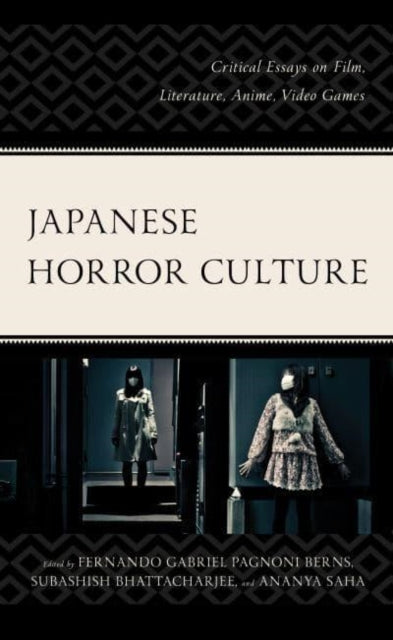
Japanese Horror Culture: Critical Essays on Film, Literature, Anime, Video Games
Japanese Horror Culture: Critical Essays on Film, Literature, Anime, Video Games
💎 Earn 169 Points (£1.69) on this item.
We can order this item for you. Delivery usually takes about 4 to 6 weeks.
This item is not held in our immediate stock. We will order it for you after checkout.
Estimated delivery: About 4 to 6 weeks
- Condition: Brand new
- UK Delivery times: Usually arrives within 2 - 3 working days
- UK Shipping: Fee starts at £2.39. Subject to product weight & dimension
Bulk ordering. Want 15 or more copies? Get a personalised quote and bigger discounts. Learn more about bulk orders.
Couldn't load pickup availability
- More about Japanese Horror Culture: Critical Essays on Film, Literature, Anime, Video Games
Contemporary Japanese horror draws from folklore and is influenced by social, cultural, and religious elements. It has gained popularity since the late 1990s, with films like The Ring and Audition. This book explores Japanese horror's connection with trauma studies, non-human entities, and hybridity with Western narratives, highlighting overlooked aspects of this cultural phenomenon.
Format: Paperback / softback
Length: 242 pages
Publication date: 15 September 2023
Publisher: Lexington Books
Contemporary Japanese horror draws its rich tapestry from the depths of the country's folklore, weaving enchanting ghost stories that seamlessly intertwine with the social, cultural, and religious fabric of the nation. Since the late 1990s, when the J-horror phenomenon burst onto the scene with the groundbreaking success of films like Hideo Nakata's The Ring (Ringu, 1998) and Takashi Miike's Audition (Ôdishon, 1999), Japanese horror has firmly established itself as a staple of both film studies and Western culture. Scholars and enthusiasts alike from around the globe have eagerly immersed themselves in the study and analysis of this phenomenon, which has left an indelible mark on the horror genre. In this comprehensive book, we delve into the depths of Japanese horror, exploring its relationship with trauma studies, the non-human realm, and the fascinating fusion of Western narratives. Through meticulous investigation and analysis, we shed light on previously overlooked aspects of this cultural phenomenon, unveiling the intricate tapestry that makes Japanese horror truly unique.
The roots of contemporary Japanese horror can be traced back to the country's rich folklore, where fairy tales and ghost stories have been woven into the social, cultural, and religious fabric for centuries. These tales often feature supernatural entities, such as ghosts, demons, and monsters, that possess both malevolent and benevolent qualities. The J-horror phenomenon emerged in the late 1990s, with the release of a series of critically acclaimed films that pushed the boundaries of traditional horror storytelling. These films, such as The Ring, which was based on a Japanese novel, and Audition, which explored the dark side of human nature, captivated audiences worldwide and solidified Japanese horror's place in the global film industry.
One of the defining characteristics of Japanese horror is its focus on the supernatural and the exploration of the unknown. Japanese filmmakers often draw inspiration from traditional Japanese folklore, mythology, and religious beliefs, incorporating these elements into their films to create a sense of dread and suspense. They also use innovative techniques, such as slow-motion cinematography, jump scares, and eerie sound design, to heighten the audience's sense of fear and discomfort. Another notable aspect of Japanese horror is its celebration of the fantastic. Female ghosts, mutated lizards, posthuman bodies, and other supernatural creatures are frequently featured in these films, often depicted as symbols of fear, power, and the unknown. These creatures are often used to explore themes of trauma, loss, and the human condition, providing a cathartic outlet for the audience to confront their own fears and anxieties.
In addition to its focus on the supernatural, Japanese horror is also deeply rooted in the social and cultural context of the country. These films often reflect the concerns and anxieties of Japanese society, particularly in the post-World War II era, when the country was rebuilding and confronting the legacy of war and trauma. The themes of loss, isolation, and the search for identity are frequently explored in Japanese horror, with characters often struggling to navigate the complexities of their lives and relationships. The non-human realm is also a significant aspect of Japanese horror, with filmmakers often using grotesque bodies and other supernatural creatures to symbolize the darker side of human nature. These creatures are often used to explore themes of power, control, and the abuse of power, providing a commentary on the social and political climate of the country.
The fusion of Western narratives is another notable aspect of Japanese horror. While these films often retain their distinct Japanese cultural identity, they also incorporate elements from Western horror and thriller genres. This fusion allows Japanese filmmakers to explore new themes and techniques, while also appealing to a broader international audience. For example, the film The Ring, which was influenced by the horror genre, explored the themes of loss, isolation, and the power of technology, while also incorporating elements of Japanese folklore and mythology.
In conclusion, contemporary Japanese horror is a rich and complex cultural phenomenon that draws its strength from the country's folklore, social, cultural, and religious fabric. The J-horror phenomenon emerged in the late 1990s, with the release of a series of critically acclaimed films that pushed the boundaries of traditional horror storytelling. These films, which are characterized by their focus on the supernatural, the exploration of the unknown, and the celebration of the fantastic, have captivated audiences worldwide and solidified Japanese horror's place in the global film industry. Japanese horror is also deeply rooted in the social and cultural context of the country, reflecting the concerns and anxieties of Japanese society and exploring themes of trauma, loss, and identity. The fusion of Western narratives allows Japanese filmmakers to explore new themes and techniques, while also appealing to a broader international audience. As the horror genre continues to evolve and expand, Japanese horror will undoubtedly continue to play a significant role in shaping the future of the genre.
Weight: 390g
Dimension: 232 x 153 x 19 (mm)
ISBN-13: 9781793647078
UK and International shipping information
UK and International shipping information
UK Delivery and returns information:
- Delivery within 2 - 3 days when ordering in the UK.
- Shipping fee for UK customers from £2.39. Fully tracked shipping service available.
- Returns policy: Return within 30 days of receipt for full refund.
International deliveries:
Shulph Ink now ships to Australia, Belgium, Canada, France, Germany, Ireland, Italy, India, Luxembourg Saudi Arabia, Singapore, Spain, Netherlands, New Zealand, United Arab Emirates, United States of America.
- Delivery times: within 5 - 10 days for international orders.
- Shipping fee: charges vary for overseas orders. Only tracked services are available for most international orders. Some countries have untracked shipping options.
- Customs charges: If ordering to addresses outside the United Kingdom, you may or may not incur additional customs and duties fees during local delivery.