Dr Frederick Amrine
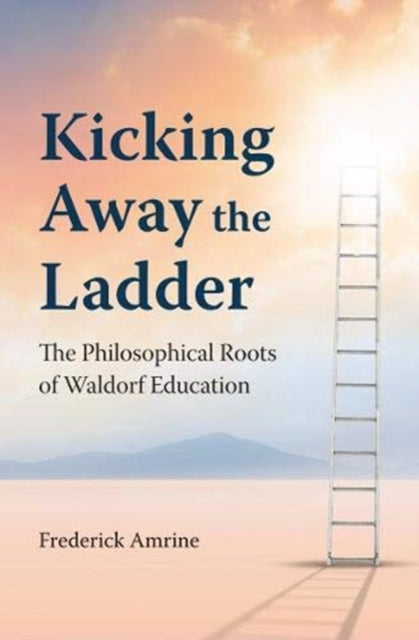
Kicking Away the Ladder: The Philosophical Roots of Waldorf Education
Kicking Away the Ladder: The Philosophical Roots of Waldorf Education
💎 Earn 63 Points (£0.63) on this item.
We can order this item for you. Delivery usually takes about 4 to 6 weeks.
This item is not held in our immediate stock. We will order it for you after checkout.
Estimated delivery: About 4 to 6 weeks
YOU SAVE £5.26
- Condition: Brand new
- UK Delivery times: Usually arrives within 2 - 3 working days
- UK Shipping: Fee starts at £2.39. Subject to product weight & dimension
Bulk ordering. Want 15 or more copies? Get a personalised quote and bigger discounts. Learn more about bulk orders.
Couldn't load pickup availability
- More about Kicking Away the Ladder: The Philosophical Roots of Waldorf Education
This book explores the ideals and philosophy of Waldorf education, tracing its roots from the Age of Enlightenment to the twentieth century and explaining how it revolutionized modern thinking. It is a valuable resource for anyone interested in understanding the roots and context of Waldorf education.
Format: Paperback / softback
Length: 163 pages
Publication date: 16 May 2019
Publisher: Waldorf Publications
As Waldorf education approaches its 100th anniversary, this book offers a remarkable opportunity to delve into the core principles and philosophical foundations of this extraordinary educational approach. This insightful book will engage the reader's intellect as it traces the philosophical lineage from the Age of Enlightenment to the twentieth century, illuminating the transformative shifts in modern thinking that paved the way for Rudolf Steiner's groundbreaking ideas. Its significance extends to anyone seeking to comprehend the historical roots and contextual framework of Waldorf education.
Introduction:
Waldorf education, founded by Rudolf Steiner in 1919, is a holistic and child-centered educational system that has gained widespread recognition and popularity over the past century. With its emphasis on nurturing the whole child, including their physical, emotional, intellectual, and spiritual development, Waldorf education has become a sought-after alternative to traditional schooling. As we approach the 100th anniversary of Waldorf education, it is essential to explore its origins, principles, and impact on modern education.
Philosophical Foundations:
The philosophical foundations of Waldorf education are rooted in the ideas of Rudolf Steiner, a visionary educator and philosopher who believed in the innate wisdom and potential of every child. Steiner's philosophy was influenced by a wide range of thinkers, including Johann Wolfgang von Goethe, Friedrich Nietzsche, and Charles Darwin, among others. One of the central tenets of Waldorf education is the belief in the importance of imagination and creativity in the development of the child. Steiner believed that the imagination is the gateway to the spiritual realm and that it is essential for the child's intellectual, emotional, and spiritual growth.
Holistic Approach:
Waldorf education takes a holistic approach to education, recognizing that the child is a complex and multi-dimensional being. The curriculum is designed to foster the development of the whole child, including their physical, emotional, intellectual, and spiritual aspects. This approach is reflected in the various subjects taught in Waldorf schools, such as art, music, language, science, and nature. In addition to academic subjects, Waldorf education also emphasizes the importance of practical skills, such as handwork, cooking, and gardening, which are believed to help develop the child's sense of self-reliance and responsibility.
Child-Centered Learning:
Waldorf education is child-centered, meaning that the child is at the center of the learning process. Teachers are encouraged to create a learning environment that is warm, nurturing, and supportive, where the child can explore and develop their interests and passions. The curriculum is designed to be flexible and adaptable, allowing the child to progress at their own pace and according to their individual needs. This approach promotes a deep sense of self-esteem and self-confidence in the child, as they are encouraged to pursue their own interests and develop their unique talents.
Social and Emotional Development:
Waldorf education also emphasizes the social and emotional development of the child. The curriculum includes activities that promote social interaction, cooperation, and empathy, such as group projects, role-playing, and storytelling. Teachers are trained to recognize and address the emotional needs of the child, providing support and guidance as they navigate through their social and emotional development. This approach helps children develop strong social skills, build healthy relationships, and develop a sense of belonging and community.
Environmental Awareness:
Waldorf education is deeply committed to environmental awareness and sustainability. The curriculum includes activities that promote the appreciation and care for the natural world, such as nature walks, gardening, and environmental studies. Teachers are encouraged to incorporate environmental education into their teaching, helping children develop a sense of responsibility and stewardship for the environment. This approach not only promotes environmental sustainability but also helps children develop a deep connection to nature and the natural world.
Community and Collaboration:
Waldorf education is also characterized by a strong sense of community and collaboration. The curriculum includes activities that promote social interaction and collaboration among students, such as group projects, community service, and shared meals. Teachers are encouraged to create a learning environment that is inclusive and supportive, where students feel valued and respected. This approach helps children develop strong social skills, build healthy relationships, and develop a sense of belonging and community.
Conclusion:
As Waldorf education approaches its 100th anniversary, this book provides a wonderful opportunity to understand the ideals and philosophy behind this extraordinary educational approach. By tracing the philosophical lineage from the Age of Enlightenment to the twentieth century, this book sheds light on the transformative shifts in modern thinking that paved the way for Rudolf Steiner's groundbreaking ideas. Whether you are an educator, parent, or simply interested in understanding the roots and context of Waldorf education, this book is a valuable resource for anyone seeking to deepen their understanding of this holistic and child-centered approach to education.
Weight: 324g
Dimension: 152 x 229 x 12 (mm)
ISBN-13: 9781943582945
UK and International shipping information
UK and International shipping information
UK Delivery and returns information:
- Delivery within 2 - 3 days when ordering in the UK.
- Shipping fee for UK customers from £2.39. Fully tracked shipping service available.
- Returns policy: Return within 30 days of receipt for full refund.
International deliveries:
Shulph Ink now ships to Australia, Belgium, Canada, France, Germany, Ireland, Italy, India, Luxembourg Saudi Arabia, Singapore, Spain, Netherlands, New Zealand, United Arab Emirates, United States of America.
- Delivery times: within 5 - 10 days for international orders.
- Shipping fee: charges vary for overseas orders. Only tracked services are available for most international orders. Some countries have untracked shipping options.
- Customs charges: If ordering to addresses outside the United Kingdom, you may or may not incur additional customs and duties fees during local delivery.