Jeffrey Chipps
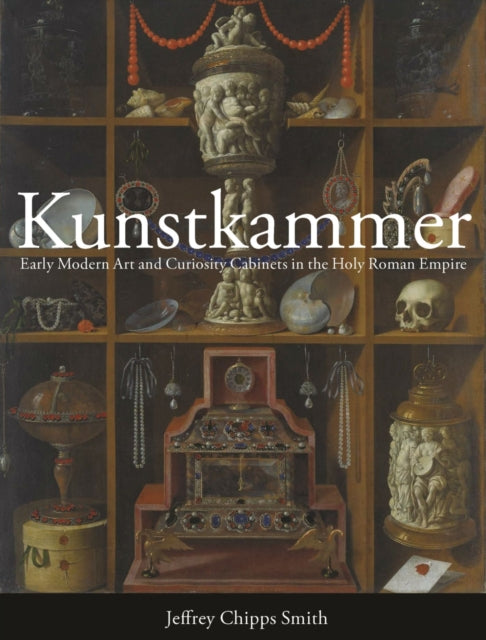
Kunstkammer: Early Modern Art and Curiosity Cabinets in the Holy Roman Empire
Kunstkammer: Early Modern Art and Curiosity Cabinets in the Holy Roman Empire
💎 Earn 174 Points (£1.74) on this item.
YOU SAVE £2.07
- Condition: Brand new
- UK Delivery times: Usually arrives within 2 - 3 working days
- UK Shipping: Fee starts at £2.39. Subject to product weight & dimension
Bulk ordering. Want 15 or more copies? Get a personalised quote and bigger discounts. Learn more about bulk orders.
Couldn't load pickup availability
- More about Kunstkammer: Early Modern Art and Curiosity Cabinets in the Holy Roman Empire
Kunstkammern were art and curiosity cabinets filled with thousands of diverse objects, reflecting nature and human creativity, and were used for personal contemplation or to showcase owners' wealth and prestige. This book provides the first in-depth comparative examination of their history, theory, organization, and character in the Holy Roman Empire.
Format: Hardback
Length: 336 pages
Publication date: 17 October 2022
Publisher: Reaktion Books
Kunstkammern, art and curiosity cabinets housed in dedicated rooms or suites of chambers, were often filled with thousands of diverse and sometimes shocking objects reflecting the bounty of nature and human creativity. These could range from a cherry pit carved with dozens of faces to an intricate drinking cup fashioned from a rhinoceros horn. Whether as a setting for personal contemplation or as a manifestation of the wealth and prestige of its owners, these proto-museums dazzled visitors of the time. This book offers the first in-depth comparative examination of the history, theory, organization, and character of the major Kunstkammern in the Holy Roman Empire.
Kunstkammern: A Treasure Trove of Art and Curiosity
Kunstkammern, art and curiosity cabinets housed in dedicated rooms or suites of chambers, were often filled with thousands of diverse and sometimes shocking objects reflecting the bounty of nature and human creativity. These could range from a cherry pit carved with dozens of faces to an intricate drinking cup fashioned from a rhinoceros horn. Whether as a setting for personal contemplation or as a manifestation of the wealth and prestige of its owners, these proto-museums dazzled visitors of the time. This book offers the first in-depth comparative examination of the history, theory, organization, and character of the major Kunstkammern in the Holy Roman Empire.
History of Kunstkammern
Kunstkammern emerged in the late Middle Ages and early Renaissance as a means of displaying and preserving the wealth and cultural heritage of noble families and institutions. They were typically located in palaces, castles, or other grand residences and were designed to showcase a wide range of objects, including art, artifacts, natural history specimens, and scientific instruments. Kunstkammern were often visited by scholars, artists, and other members of the elite, who were interested in learning more about the world around them.
Theory of Kunstkammern
The theory of Kunstkammern was based on the idea that art and nature were interconnected and that the objects in these cabinets could be used to teach and inspire. Kunstkammern were designed to be interactive, with visitors encouraged to touch, handle, and examine the objects on display. This approach was intended to foster a deeper understanding of the world and to promote a sense of wonder and curiosity.
Organization of Kunstkammern
Kunstkammern were typically organized into several rooms or suites of chambers. Each room was dedicated to a specific type of object or theme, and the objects were arranged in a manner that was both aesthetically pleasing and informative. The objects were often displayed in glass cases or on pedestals, and labels and descriptions were provided to help visitors understand their significance.
Character of Kunstkammern
Kunstkammern were characterized by their grandeur and opulence. They were often filled with expensive and rare objects, and the owners of these cabinets were often wealthy and influential individuals. Kunstkammern were also used as a means of socializing and networking, with visitors often meeting new people and exchanging ideas.
Impact of Kunstkammern on Art and Culture
Kunstkammern had a significant impact on art and culture. They helped to establish the idea of the museum as a cultural institution and to promote the appreciation of art and culture. Kunstkammern also played a role in the development of scientific instruments and the study of natural history.
Examples of Kunstkammern
Some of the most famous Kunstkammern in the Holy Roman Empire include the Kunstkammer of the Habsburgs in Vienna, the Kunstkammer of the Wurzburgs in Munich, and the Kunstkammer of the Prussians in Berlin. These cabinets were filled with thousands of objects, including art, artifacts, natural history specimens, and scientific instruments.
Conclusion
Kunstkammern were a remarkable phenomenon of the late Middle Ages and early Renaissance that helped to showcase the wealth and cultural heritage of noble families and institutions. They were designed to be interactive, informative, and opulent, and they had a significant impact on art and culture. This book offers the first in-depth comparative examination of the history, theory, organization, and character of the major Kunstkammern in the Holy Roman Empire, and it is essential reading for anyone interested in the history of art and culture.
Weight: 1232g
Dimension: 197 x 258 x 25 (mm)
ISBN-13: 9781789146127
UK and International shipping information
UK and International shipping information
UK Delivery and returns information:
- Delivery within 2 - 3 days when ordering in the UK.
- Shipping fee for UK customers from £2.39. Fully tracked shipping service available.
- Returns policy: Return within 30 days of receipt for full refund.
International deliveries:
Shulph Ink now ships to Australia, Belgium, Canada, France, Germany, Ireland, Italy, India, Luxembourg Saudi Arabia, Singapore, Spain, Netherlands, New Zealand, United Arab Emirates, United States of America.
- Delivery times: within 5 - 10 days for international orders.
- Shipping fee: charges vary for overseas orders. Only tracked services are available for most international orders. Some countries have untracked shipping options.
- Customs charges: If ordering to addresses outside the United Kingdom, you may or may not incur additional customs and duties fees during local delivery.