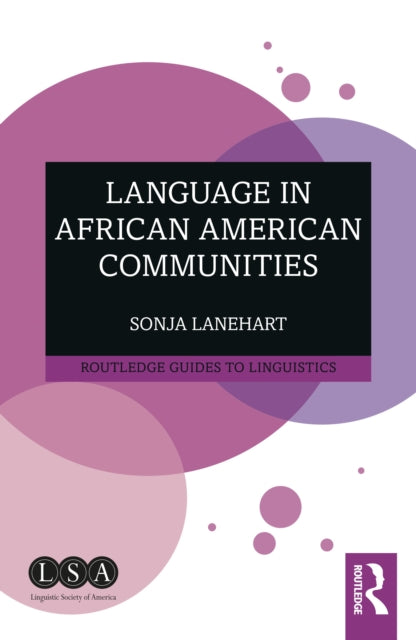
Sonja Lanehart
Language in African American Communities
Language in African American Communities
💎 Earn 103 Points (£1.03) on this item.
We can order this item for you. Delivery usually takes about 4 to 6 weeks.
This item is not held in our immediate stock. We will order it for you after checkout.
Estimated delivery: About 4 to 6 weeks
YOU SAVE £6.29
- Condition: Brand new
- UK Delivery times: Usually arrives within 2 - 3 working days
- UK Shipping: Fee starts at £2.39. Subject to product weight & dimension
Bulk ordering. Want 15 or more copies? Get a personalised quote and bigger discounts. Learn more about bulk orders.
Couldn't load pickup availability
- More about Language in African American Communities
Language in African American Communities is essential reading for anyone with an interest in the language, culture, and sociohistorical contexts of African American communities. It will also benefit those with a general interest in language and culture, language and language users, and language and identity.
Format: Paperback / softback
Length: 246 pages
Publication date: 23 December 2022
Publisher: Taylor & Francis Ltd
Language is a complex and multifaceted tool that plays a vital role in our daily lives. It is not just a means of communication, but also a reflection of our culture, values, and identity. In African American communities, language use is a rich and diverse tapestry that reflects the sociocultural and historical contexts in which these communities have developed.
Sociolinguistic and paralinguistic aspects of language use in African American communities are of particular interest. These aspects include the way African American speakers use language to express their cultural identity, negotiate social relationships, and convey emotions. For example, African American Vernacular English (AAVE) is a dialect of English that has evolved over centuries and is unique to African American communities. AAVE is characterized by its distinctive grammar, vocabulary, and pronunciation, and it plays a significant role in African American culture and identity.
Another important aspect of language use in African American communities is the sociocultural and historical contexts in which these communities have developed. African American communities have been subjected to a long history of oppression, discrimination, and marginalization, which has had a profound impact on their language use. For example, during the period of slavery, African American speakers were forced to speak a language that was not their own, and they were often punished for speaking their native language. This history of oppression has led to the development of a unique dialect of English known as African American Vernacular English (AAVE), which is characterized by its distinctive grammar, vocabulary, and pronunciation.
In addition to sociocultural and historical contexts, notions about grammar and discourse in African American communities are also of interest. African American speakers often have different perspectives on grammar and discourse than their white counterparts. For example, some African American speakers may prioritize the use of slang and colloquialisms, while others may prefer more formal language. This difference in language use can be attributed to a variety of factors, including the influence of African American Vernacular English (AAVE) and the cultural values and beliefs of African American communities.
The significance of naming is another important aspect of language use in African American communities. Names are a powerful tool that can convey a sense of identity and belonging. In African American communities, names often carry significant cultural and historical significance, and they can be used to express pride and heritage. For example, many African American names are derived from African languages, and they can be used to celebrate and honor the cultural roots of these communities.
However, the pall of race and racism in discussions and research of language variation and change is also a significant issue. Despite the rich and diverse nature of language use in African American communities, these communities have often been marginalized and excluded from discussions about language variation and change. This exclusion can be attributed to a variety of factors, including the historical oppression and discrimination of African American communities and the lack of representation of these communities in academic and research institutions.
To address these issues, it is important to consider the sociolinguistic and paralinguistic aspects of language use in African American communities. It is also important to recognize the sociocultural and historical contexts in which these communities have developed and the impact that these contexts have had on their language use. Additionally, it is important to promote inclusivity and representation in discussions and research of language variation and change, so that all voices and perspectives can be heard and valued.
In conclusion, language is a complex and multifaceted tool that plays a vital role in our daily lives. In African American communities, language use is a rich and diverse tapestry that reflects the sociocultural and historical contexts in which these communities have developed. By recognizing the sociolinguistic and paralinguistic aspects of language use, the sociocultural and historical contexts in which these communities have developed, and the significance of naming, we can better understand the complex and multifaceted nature of language in African American communities.
Here are some activities and discussion questions that invite readers to consider their own perspectives on language use in African American communities and how it manifests in their own lives and communities:
• Consider the sociolinguistic and paralinguistic aspects of language use in African American communities. What are some of the unique features of African American Vernacular English (AAVE) and how do they contribute to the cultural identity of African American communities?
• Reflect on the sociocultural and historical contexts in which African American communities have developed. How have these contexts influenced the language use of these communities? What are some of the challenges that African American communities face in maintaining their language and culture?
• Discuss the significance of naming in African American communities. How do names convey a sense of identity and belonging and how can they be used to celebrate and honor the cultural roots of these communities?
• Explore the impact of race and racism on discussions and research of language variation and change in African American communities. How can these communities be more inclusive and represented in these discussions?
• Consider how language use in African American communities manifests in your own life and community. How do you use language to express your cultural identity and negotiate social relationships? What are some of the challenges that you face in maintaining your language and culture?
• Explore the links to relevant videos, stories, music, and digital media that represent language use in African American communities. What are some of the unique features of these representations and how do they contribute to the cultural identity of these communities?
By engaging with these activities and discussion questions, readers can gain a deeper understanding of the sociolinguistic and paralinguistic aspects of language use in African American communities and how it manifests in their own lives and communities.
Weight: 480g
Dimension: 198 x 129 (mm)
ISBN-13: 9781138189706
This item can be found in:
UK and International shipping information
UK and International shipping information
UK Delivery and returns information:
- Delivery within 2 - 3 days when ordering in the UK.
- Shipping fee for UK customers from £2.39. Fully tracked shipping service available.
- Returns policy: Return within 30 days of receipt for full refund.
International deliveries:
Shulph Ink now ships to Australia, Belgium, Canada, France, Germany, Ireland, Italy, India, Luxembourg Saudi Arabia, Singapore, Spain, Netherlands, New Zealand, United Arab Emirates, United States of America.
- Delivery times: within 5 - 10 days for international orders.
- Shipping fee: charges vary for overseas orders. Only tracked services are available for most international orders. Some countries have untracked shipping options.
- Customs charges: If ordering to addresses outside the United Kingdom, you may or may not incur additional customs and duties fees during local delivery.