Todd Harra
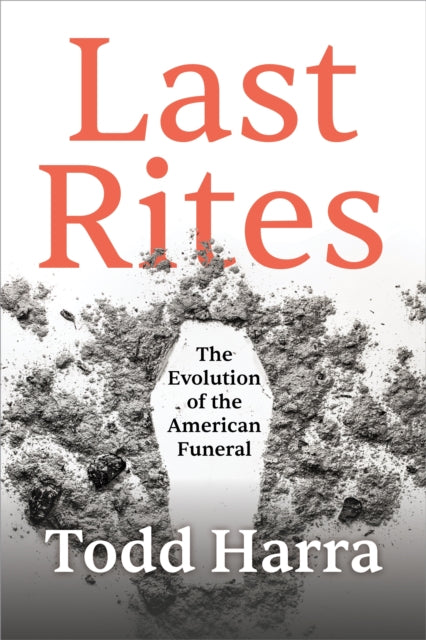
Last Rites: The Evolution of the American Funeral
Last Rites: The Evolution of the American Funeral
💎 Earn 74 Points (£0.74) on this item.
YOU SAVE £6.13
- Condition: Brand new
- UK Delivery times: Usually arrives within 2 - 3 working days
- UK Shipping: Fee starts at £2.39. Subject to product weight & dimension
Bulk ordering. Want 15 or more copies? Get a personalised quote and bigger discounts. Learn more about bulk orders.
Couldn't load pickup availability
- More about Last Rites: The Evolution of the American Funeral
The author of Last Rites explores American funeral customs, including their historical origins, cultural significance, and evolving practices. He also discusses the ancient influences on American rites, the funerals of political figures and fallen soldiers, and the most puzzling enigmas about the undertakers craft. The book provides an informative and compelling exploration of the history and future of the ceremonies we use to say farewell to those who have departed this world.
Format: Hardback
Length: 288 pages
Publication date: 08 September 2022
Publisher: Sounds True Inc
Why do we embalm the deceased?
Funeral practices are deeply rooted in human culture and history, serving as a way to honor and commemorate the lives of the deceased. Embalming is one of the techniques used to preserve the body of a deceased person for burial or cremation. The process involves injecting a solution of chemicals, such as formaldehyde and potassium permanganate, into the body through the arteries and veins. This solution stops the decomposition of the body and preserves it for a longer period of time.
There are several reasons why embalming is commonly practiced. Firstly, it allows for a more personalized and respectful funeral service. Embalmed bodies can be dressed, groomed, and arranged in a way that reflects the individual's life and personality. This allows family members and friends to say goodbye in a way that is meaningful and meaningful to them.
Secondly, embalming can help to prevent the spread of disease. By preserving the body, it is less likely that bacteria or viruses will be transmitted to those who come into contact with it. This is particularly important in times of public health emergencies, such as pandemics or outbreaks of infectious diseases.
Thirdly, embalming can help to preserve the body for a longer period of time. This is particularly important if the deceased is traveling to a different location for burial or cremation. Embalming can prevent the body from decomposing during the long journey, ensuring that it arrives in good condition.
Despite the benefits of embalming, there are also concerns and criticisms associated with the practice. Some people believe that embalming is unethical and that it is unnecessary. They argue that it is a form of chemical abuse and that it can have negative effects on the environment and human health.
In response to these concerns, there have been efforts to develop alternative methods of preserving the body for burial or cremation. These methods include green burial, which involves burying the body without the use of embalming chemicals or other materials that may be harmful to the environment. There are also cremation services that use flameless cremation, which reduces the environmental impact of traditional cremation methods.
In conclusion, embalming is a common practice in the funeral industry, used to preserve the body of a deceased person for burial or cremation. While there are benefits to embalming, there are also concerns and criticisms associated with the practice. As such, it is important for individuals to consider their options and choose a funeral service that aligns with their values and beliefs.
Why are funerals so expensive?
Funeral expenses can be a significant burden for families during a time of loss and grief. There are several factors that contribute to the cost of a funeral, including the cost of the funeral home, the cost of the casket or urn, the cost of burial or cremation, and the cost of any additional services or merchandise.
One of the primary factors that contribute to the cost of a funeral is the cost of the funeral home. Funeral homes are businesses that specialize in providing funeral services and merchandise. They offer a range of services, including preparation of the body, funeral services, and burial or cremation arrangements. The cost of these services can vary depending on the location, the size of the funeral home, and the services that are provided.
Another factor that contributes to the cost of a funeral is the cost of the casket or urn. Caskets and urns come in a variety of materials, including wood, metal, and plastic. The cost of a casket or urn can vary depending on the material, the design, and the manufacturer. Some caskets and urns can be quite expensive, particularly if they are made of precious metals or have intricate designs.
Burial or cremation arrangements can also be expensive. Burial arrangements can include the cost of a cemetery plot, the cost of a burial vault or casket liner, and the cost of any additional services or merchandise, such as flowers or a memorial marker. Cremation arrangements can include the cost of a cremation chamber, the cost of a cremation container, and the cost of any additional services or merchandise, such as a keepsake or a memorial service.
In addition to these direct costs, there are also indirect costs associated with a funeral. These costs can include travel expenses, food and drink expenses, and other expenses related to the funeral service. For example, if the family is traveling to a different location for the funeral, they may need to pay for transportation, lodging, and food.
There are also several ways that families can reduce the cost of a funeral. One of the most effective ways is to plan ahead. Families can work with a funeral home to create a personalized funeral plan that meets their budget and their needs. They can also choose to purchase a pre-paid funeral plan, which allows them to lock in the cost of the funeral at a specific price.
Another way to reduce the cost of a funeral is to choose a less expensive alternative to traditional burial or cremation. For example, families can choose to have a memorial service or a graveside service instead of a full funeral service. They can also choose to have a simple casket or urn instead of a more expensive one.
In conclusion, funeral expenses can be a significant burden for families during a time of loss and grief. There are several factors that contribute to the cost of a funeral, including the cost of the funeral home, the cost of the casket or urn, the cost of burial or cremation, and the cost of any additional services or merchandise. Families can reduce the cost of a funeral by planning ahead.
Is there a reason coffins are shaped the way they are?
Coffins are an essential part of the funeral process, serving as a container for the deceased's body during the funeral service and burial or cremation. The shape and design of coffins have evolved over time, reflecting different cultural, religious, and artistic traditions. Here are some reasons why coffins are shaped the way:
Religious and Cultural Significance:
Coffins have been used for centuries to represent the deceased's body and their place in the afterlife. In many religious traditions, such as Christianity, Islam, Judaism, and Hinduism, the shape and design of the coffin reflect the beliefs and values of the deceased's faith. For example, in Christianity, the cross is a symbol of the resurrection and the hope of eternal life, and it is often used on coffins. In Islam, the casket is often shaped like a cube or a rectangular box, reflecting the belief in the unity of God and the afterlife. In Hinduism, the casket is often shaped like a lotus flower, which symbolizes the purity and enlightenment of the soul.
Funeral Customs and Traditions:
Coffins have also been shaped by funeral customs and traditions from different cultures and regions. For example, in some cultures, the coffin is shaped like a boat or a ship, reflecting the belief in the journey of the soul to the afterlife. In other cultures, the coffin is shaped like a pyramid or a rectangular box, reflecting the belief in the afterlife. In some cultures, the coffin is shaped like a lotus flower, which symbolizes the purity and enlightenment of the soul.
Symbolism and Personalization:
Coffins can also be shaped to reflect the individual's personality and interests. For example, some families may choose to have a custom-made coffin that reflects the individual's hobbies, such as sports, music, or literature. Some families may choose to have a coffin that is shaped like a bird or a butterfly, reflecting the individual's love of nature or their sense of freedom.
Funeral Home Design:
The design of the funeral home can also influence the shape and design of the coffin. Funeral homes are businesses that specialize in providing funeral services and merchandise. They offer a range of services, including preparation of the body, funeral services, and burial or cremation arrangements. The design of the funeral home can influence the shape and design of the coffin, as it can affect the space available for the coffin and the overall aesthetic of the funeral service.
In conclusion, coffins are an essential part of the funeral process, serving as a container for the deceased's body during the funeral service and burial or cremation. The shape and design of coffins have evolved over time, reflecting different cultural, religious, and artistic traditions. Coffins can be shaped to represent the deceased's body and their place in the afterlife, reflect funeral customs and traditions, symbolize and personalize the individual's personality and interests, and be influenced by the design of the funeral home.
Where does the tradition of viewing the body come from?
The tradition of viewing the body of the deceased is a deeply ingrained cultural and religious practice that has been around for centuries. It is a way for family members and friends to pay their respects and say goodbye to the person who has passed away. The tradition of viewing the body has its roots.
Religious and Cultural Significance:
The tradition of viewing the body of the deceased has its roots in religious and cultural traditions from different parts of the world. In many religious traditions, such as Christianity, Islam, Judaism, and Hinduism, the body of the deceased is viewed as a symbol of the person's life and their place in the afterlife. For example, in Christianity, the body of the deceased is viewed as a vessel that holds the soul and is a reminder of the person's earthly existence. In Islam, the body of the deceased is viewed as a vessel that holds the soul and is a reminder of the person's earthly existence. In Hinduism, the body of the deceased is viewed as a vessel that holds the soul and is a reminder of the person's earthly existence.
Funeral Customs and Traditions:
The tradition of viewing the body of the deceased has also been shaped by funeral customs and traditions from different cultures and regions. For example, in some cultures, the body of the deceased is viewed as a way to honor the person's life and to pay respects to their family and friends. In other cultures, the body of the deceased is viewed as a way to prepare the body for burial or cremation. In some cultures, the body of the deceased is viewed as a way to say goodbye to the person who has passed away.
Symbolism and Personalization:
The tradition of viewing the body of the deceased can also be shaped to reflect the individual's personality and interests. For example, some families may choose to have a custom-made casket that reflects the individual's hobbies, such as sports, music, or literature. Some families may choose to have a casket that is shaped like a bird or a butterfly, reflecting the individual's love of nature or their sense of freedom.
Funeral Home Design:
The design of the funeral home can also influence the tradition of viewing the body. Funeral homes are businesses that specialize in providing funeral services and merchandise. They offer a range of services, including preparation of the body, funeral services, and burial or cremation arrangements. The design of the funeral home can influence the tradition of viewing the body, as it can affect the space available for the body and the overall aesthetic of the funeral service.
In conclusion, the tradition of viewing the body of the deceased is a deeply ingrained cultural and religious practice that has been around for centuries. It is a way for family members and friends to pay their respects and say goodbye to the person who has passed away. The tradition of viewing the body has its roots in religious and cultural traditions from different parts of the world. It has been shaped by funeral customs and traditions from different cultures and regions, and can be shaped to reflect the individual's personality and interests. The design of the funeral home can also influence the tradition of viewing the body, as it can affect the space available for the body and the overall aesthetic of the funeral service.
Weight: 300g
Dimension: 233 x 154 (mm)
ISBN-13: 9781683648055
UK and International shipping information
UK and International shipping information
UK Delivery and returns information:
- Delivery within 2 - 3 days when ordering in the UK.
- Shipping fee for UK customers from £2.39. Fully tracked shipping service available.
- Returns policy: Return within 30 days of receipt for full refund.
International deliveries:
Shulph Ink now ships to Australia, Belgium, Canada, France, Germany, Ireland, Italy, India, Luxembourg Saudi Arabia, Singapore, Spain, Netherlands, New Zealand, United Arab Emirates, United States of America.
- Delivery times: within 5 - 10 days for international orders.
- Shipping fee: charges vary for overseas orders. Only tracked services are available for most international orders. Some countries have untracked shipping options.
- Customs charges: If ordering to addresses outside the United Kingdom, you may or may not incur additional customs and duties fees during local delivery.