Ange Anderson
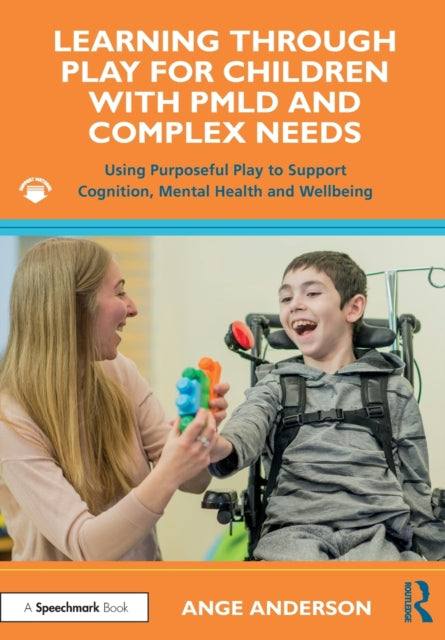
Learning Through Play for Children with PMLD and Complex Needs: Using Purposeful Play to Support Cognition, Mental Health and Wellbeing
Learning Through Play for Children with PMLD and Complex Needs: Using Purposeful Play to Support Cognition, Mental Health and Wellbeing
💎 Earn 141 Points (£1.41) on this item.
YOU SAVE £1.68
- Condition: Brand new
- UK Delivery times: Usually arrives within 2 - 3 working days
- UK Shipping: Fee starts at £2.39. Subject to product weight & dimension
Bulk ordering. Want 15 or more copies? Get a personalised quote and bigger discounts. Learn more about bulk orders.
Couldn't load pickup availability
- More about Learning Through Play for Children with PMLD and Complex Needs: Using Purposeful Play to Support Cognition, Mental Health and Wellbeing
The importance of play-based approaches for children with special needs is explored, with practical guidance on the benefits of play for physical, cognitive, and mental health. Challenges in implementing play-based and therapeutic approaches are considered, and examples of successful integration into special schools are provided. Helpful photocopiable resources are included to support the reader in introducing therapeutic play and play-based learning.
Format: Paperback / softback
Length: 180 pages
Publication date: 31 January 2022
Publisher: Taylor & Francis Ltd
Exploring the Essential Role of Play-Based Approaches for Special Education
Play-based approaches have emerged as a powerful tool in the field of special education, offering a holistic and effective way to support the development and well-being of students with special needs. In this comprehensive article, we will delve into the essential role of play-based approaches for SEND and explore the numerous physical, cognitive, and mental health benefits they provide.
Physical Health Benefits of Play
Play is an essential component of physical development and growth. It involves movement, coordination, and sensory exploration, which are crucial for the proper development of a child's muscles, bones, and motor skills. Through play, children can develop their strength, endurance, balance, and flexibility, which are essential for everyday activities such as walking, running, climbing, and jumping.
Play also provides opportunities for children to engage in physical activities that may be challenging or impossible for them to do alone, such as playing with peers, participating in team sports, or engaging in outdoor activities. This not only helps to improve their physical fitness but also promotes socialization, teamwork, and communication skills.
Cognitive Health Benefits of Play
Play is not only beneficial for physical development but also for cognitive development. It stimulates the brain and promotes the growth of neural pathways, which are essential for learning and memory. Through play, children can develop their problem-solving skills, creativity, imagination, and critical thinking abilities.
Play-based learning also helps children to develop their language and communication skills. Children can learn new words, phrases, and sentences through play, and they can also practice their social skills by interacting with peers and adults. Play-based learning also promotes self-esteem and confidence, as children are able to achieve new goals and succeed in their endeavors.
Mental Health Benefits of Play
Play is not only beneficial for physical and cognitive development but also for mental health. It provides a safe and supportive environment for children to express their emotions, explore their thoughts and feelings, and cope with stress and anxiety. Play can also help children to develop their social skills, build relationships, and develop a sense of belonging.
Play-based approaches can also help children to manage challenging behaviors and emotions. Through play, children can learn to regulate their emotions, develop coping strategies, and build self-esteem. Play-based approaches can also help children to develop a sense of self-awareness and self-esteem, which can be particularly important for children with special needs who may struggle with self-image and self-confidence.
Implementing Play-Based and Therapeutic Approaches
Implementing play-based and therapeutic approaches can be challenging, but it is essential for the success of students with special needs. There are several challenges that arise in implementing play-based and therapeutic approaches, including the need for specialized equipment and resources, the need for trained staff, and the need to create a safe and supportive environment.
However, there are also many examples of how play has been successfully integrated into the practice of a number of special schools. For example, some special schools have created play-based therapy programs that focus on addressing specific issues such as anxiety, depression, and behavior problems. These programs use play-based activities such as role-playing, storytelling, and sensory exploration to help students develop coping strategies and build self-esteem.
In addition, some special schools have integrated play-based learning into their curriculum. This involves using play-based activities to teach academic skills such as reading, writing, and math. Play-based learning is particularly effective for children with special needs, as it allows them to learn in a fun and engaging way that is tailored to their individual needs and abilities.
To help readers introduce therapeutic play and play-based learning in their schools, this article provides helpful photocopiable resources. These resources include activity ideas, lesson plans, and resources that can be used to support play-based learning and therapeutic play. These resources are designed to be used by teachers, therapists, and parents, and they can be adapted to meet the specific needs of students with special needs.
In conclusion, play-based approaches have a significant role to play in the field of special education. They offer a holistic and effective way to support the development and well-being of students with special needs. Play provides physical, cognitive, and mental health benefits, and it can be successfully integrated into the practice of special schools. By using play-based and therapeutic approaches, educators can create a safe and supportive environment for students with special needs to thrive and achieve their full potential.
Physical Health Benefits of Play
Play is an essential component of physical development and growth. It involves movement, coordination, and sensory exploration, which are crucial for the proper development of a child's muscles, bones, and motor skills. Through play, children can develop their strength, endurance, balance, and flexibility, which are essential for everyday activities such as walking, running, climbing, and jumping.
Play also provides opportunities for children to engage in physical activities that may be challenging or impossible for them to do alone, such as playing with peers, participating in team sports, or engaging in outdoor activities. This not only helps to improve their physical fitness but also promotes socialization, teamwork, and communication skills.
Play also provides opportunities for children to engage in physical activities that may be challenging or impossible for them to do alone, such as playing with peers, participating in team sports, or engaging in outdoor activities. This not only helps to improve their physical fitness but also promotes socialization, teamwork, and communication skills.
Cognitive Health Benefits of Play
Play is not only beneficial for physical development but also for cognitive development. It stimulates the brain and promotes the growth of neural pathways, which are essential for learning and memory. Through play, children can develop their problem-solving skills, creativity, imagination, and critical thinking abilities.
Play-based learning also helps children to develop their language and communication skills. Children can learn new words, phrases, and sentences through play, and they can also practice their social skills by interacting with peers and adults. Play-based learning also promotes self-esteem and confidence, as children are able to achieve new goals and succeed in their endeavors.
Mental Health Benefits of Play
Play is not only beneficial for physical and cognitive development but also for mental health. It provides a safe and supportive environment for children to express their emotions, explore their thoughts and feelings, and cope with stress and anxiety. Play can also help children to develop their social skills, build relationships, and develop a sense of belonging.
Play-based approaches can also help children to manage challenging behaviors and emotions. Through play, children can learn to regulate their emotions, develop coping strategies, and build self-esteem. Play-based approaches can also help children to develop a sense of self-awareness and self-esteem, which can be particularly important for children with special needs who may struggle with self-image and self-confidence.
Implementing Play-Based and Therapeutic Approaches
Implementing play-based and therapeutic approaches can be challenging, but it is essential for the success of students with special needs. There are several challenges that arise in implementing play-based and therapeutic approaches, including the need for specialized equipment and resources, the need for trained staff, and the need to create a safe and supportive environment.
However, there are also many examples of how play has been successfully integrated into the practice of a number of special schools. For example, some special schools have created play-based therapy programs that focus on addressing specific issues such as anxiety, depression, and behavior problems. These programs use play-based activities such as role-playing, storytelling, and sensory exploration to help students develop coping strategies and build self-esteem.
In addition, some special schools have integrated play-based learning into their curriculum. This involves using play-based activities to teach academic skills such as reading, writing, and math. Play-based learning is particularly effective for children with special needs, as it allows them to learn in a fun and engaging way that is tailored to their individual needs and abilities.
To help readers introduce therapeutic play and play-based learning in their schools, this article provides helpful photocopiable resources. These resources include activity ideas, lesson plans, and resources that can be used to support play-based learning and therapeutic play. These resources are designed to be used by teachers, therapists, and parents, and they can be adapted to meet the specific needs of students with special needs.
In conclusion, play-based approaches have a significant role to play in the field of special education. They offer a holistic and effective way to support the development and well-being of students with special needs. Play provides physical, cognitive, and mental health benefits, and it can be successfully integrated into the practice of special schools. By using play-based and therapeutic approaches, educators can create a safe and supportive environment for students with special needs to thrive and achieve their full potential.
Weight: 380g
Dimension: 173 x 244 x 16 (mm)
ISBN-13: 9781032073576
This item can be found in:
UK and International shipping information
UK and International shipping information
UK Delivery and returns information:
- Delivery within 2 - 3 days when ordering in the UK.
- Shipping fee for UK customers from £2.39. Fully tracked shipping service available.
- Returns policy: Return within 30 days of receipt for full refund.
International deliveries:
Shulph Ink now ships to Australia, Belgium, Canada, France, Germany, Ireland, Italy, India, Luxembourg Saudi Arabia, Singapore, Spain, Netherlands, New Zealand, United Arab Emirates, United States of America.
- Delivery times: within 5 - 10 days for international orders.
- Shipping fee: charges vary for overseas orders. Only tracked services are available for most international orders. Some countries have untracked shipping options.
- Customs charges: If ordering to addresses outside the United Kingdom, you may or may not incur additional customs and duties fees during local delivery.