Jaclyn Jaycox
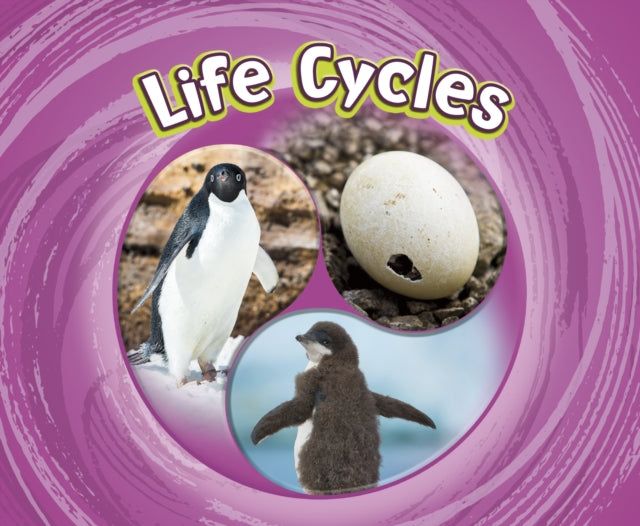
Life Cycles
Life Cycles
💎 Earn 28 Points (£0.28) on this item.
YOU SAVE £2.34
- Condition: Brand new
- UK Delivery times: Usually arrives within 2 - 3 working days
- UK Shipping: Fee starts at £2.39. Subject to product weight & dimension
Bulk ordering. Want 15 or more copies? Get a personalised quote and bigger discounts. Learn more about bulk orders.
Couldn't load pickup availability
- More about Life Cycles
Life cycles of animals and plants, and how human actions can affect them, are explored.
Format: Paperback / softback
Length: 24 pages
Publication date: 04 February 2021
Publisher: Capstone Global Library Ltd
From the delicate butterfly to the vibrant sunflower, every living creature embarks on a remarkable journey known as the life cycle. Delve into the captivating world of animal and plant life cycles, exploring their intricate processes and the profound impact of human actions on these delicate ecosystems.
The life cycle of a butterfly, a magnificent creature with wings of iridescent colors, begins with the egg. Inside the egg, a tiny caterpillar undergoes a remarkable transformation, shedding its skin multiple times as it grows and develops into a full-fledged butterfly. The adult butterfly then emerges from its chrysalis, ready to fly and explore the world.
On the other hand, the life cycle of a sunflower is equally awe-inspiring. From a tiny seed, a sunflower plant grows rapidly, its stem reaching towards the sun. The plant produces beautiful yellow flowers, each containing thousands of seeds that will eventually germinate and create new sunflower plants.
Understanding the life cycles of animals and plants is crucial for preserving their habitats and ensuring their survival. Human activities, such as deforestation, pollution, and climate change, can have significant impacts on these cycles. For example, deforestation destroys habitats, leading to the loss of homes and food sources for many species. Pollution can contaminate water and soil, harming plant and animal health. Climate change, with its rising temperatures and changing weather patterns, can disrupt the timing of important life events, such as breeding and migration.
To protect the life cycles of animals and plants, we must take action. This includes reducing our carbon footprint, conserving natural resources, and supporting conservation efforts. We can also educate ourselves and others about the importance of biodiversity and the role that each living creature plays in maintaining the balance of our ecosystems.
In conclusion, the life cycle of a butterfly and a sunflower is a testament to the beauty and complexity of nature. By understanding these cycles and the impact of human actions, we can work together to protect the delicate balance of our ecosystems and ensure the survival of countless species. Let us embrace our responsibility to be stewards of the planet and work towards a future where the beauty of nature thrives for generations to come.
The life cycle of a butterfly, a magnificent creature with wings of iridescent colors, begins with the egg.
Inside the egg, a tiny caterpillar undergoes a remarkable transformation, shedding its skin multiple times as it grows and develops into a full-fledged butterfly.
The adult butterfly then emerges from its chrysalis, ready to fly and explore the world.
On the other hand, the life cycle of a sunflower is equally awe-inspiring.
From a tiny seed, a sunflower plant grows rapidly, its stem reaching towards the sun.
The plant produces beautiful yellow flowers, each containing thousands of seeds that will eventually germinate and create new sunflower plants.
Understanding the life cycles of animals and plants is crucial for preserving their habitats and ensuring their survival.
Human activities, such as deforestation, pollution, and climate change, can have significant impacts on these cycles.
For example, deforestation destroys habitats, leading to the loss of homes and food sources for many species.
Pollution can contaminate water and soil, harming plant and animal health.
Climate change, with its rising temperatures and changing weather patterns, can disrupt the timing of important life events, such as breeding and migration.
To protect the life cycles of animals and plants, we must take action.
This includes reducing our carbon footprint, conserving natural resources, and supporting conservation efforts.
We can also educate ourselves and others about the importance of biodiversity and the role that each living creature plays in maintaining the balance of our ecosystems.
In conclusion, the life cycle of a butterfly and a sunflower is a testament to the beauty and complexity of nature.
By understanding these cycles and the impact of human actions, we can work together to protect the delicate balance of our ecosystems and ensure the survival of countless species.
Let us embrace our responsibility to be stewards of the planet and work towards a future where the beauty of nature thrives for generations to come.
Weight: 76g
Dimension: 203 x 172 x 6 (mm)
ISBN-13: 9781474795296
UK and International shipping information
UK and International shipping information
UK Delivery and returns information:
- Delivery within 2 - 3 days when ordering in the UK.
- Shipping fee for UK customers from £2.39. Fully tracked shipping service available.
- Returns policy: Return within 30 days of receipt for full refund.
International deliveries:
Shulph Ink now ships to Australia, Belgium, Canada, France, Germany, Ireland, Italy, India, Luxembourg Saudi Arabia, Singapore, Spain, Netherlands, New Zealand, United Arab Emirates, United States of America.
- Delivery times: within 5 - 10 days for international orders.
- Shipping fee: charges vary for overseas orders. Only tracked services are available for most international orders. Some countries have untracked shipping options.
- Customs charges: If ordering to addresses outside the United Kingdom, you may or may not incur additional customs and duties fees during local delivery.