Emma Huddleston
Life Skills: Reading a Map
Life Skills: Reading a Map
💎 Earn 35 Points (£0.35) on this item.
YOU SAVE £2.92
- Condition: Brand new
- UK Delivery times: Usually arrives within 2 - 3 working days
- UK Shipping: Fee starts at £3.89. Subject to product weight & dimension
Bulk ordering. Want 15 or more copies? Get a personalised quote and bigger discounts. Learn more about bulk orders.
Couldn't load pickup availability
- More about Life Skills: Reading a Map
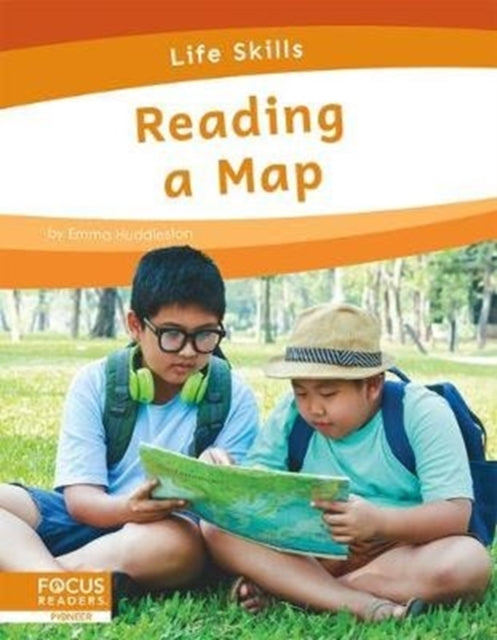
This title teaches readers how to read maps and encourages them to create maps of their neighborhoods. It features colorful spreads with fun facts and an infographic.
Format: Paperback / softback
Length: 24 pages
Publication date: 01 October 2020
Publisher: North Star Editions
Reading a Map
Reading a map is a crucial skill that can help you navigate your surroundings effectively. Whether you're exploring a new city or simply trying to get from point A to point B, having a good understanding of map reading can make your journey much smoother. In this article, we'll take you through the steps involved in reading a map and encourage you to try making a map of your neighborhood.
Understanding Map Types:
Before we dive into the details of reading a map, it's important to understand the different types of maps that are available. There are three main types of maps:
Road Maps: Road maps show the major roads, highways, and streets in a given area. They are typically divided into sections, with each section representing a different region or city. Road maps are useful for driving, walking, and cycling.
Topographic Maps: Topographic maps show the natural features of an area, such as mountains, rivers, and lakes. They are typically divided into grids, with each grid representing a specific elevation or terrain feature. Topographic maps are useful for outdoor activities such as hiking, camping, and hunting.
Political Maps: Political maps show the boundaries of countries, states, and provinces. They are typically divided into political boundaries, such as counties, cities, and towns. Political maps are useful for studying geography, history, and politics.
Once you have a good understanding of the different types of maps, you can choose the one that best suits your needs. For example, if you're planning a road trip, a road map would be a useful tool. If you're interested in hiking or camping, a topographic map would be a better choice.
Reading a Map:
Reading a map involves several steps that you need to follow carefully. Here are the steps you can take to read a map:
Orientation: Before you start reading a map, you need to orient yourself to the map. Look at the map title and the map key to determine the orientation of the map. The map key typically shows the compass directions, such as north, south, east, and west, and the map title may indicate the location or region being depicted.
Map Symbols: Map symbols are used to represent different features on the map, such as roads, buildings, parks, and landmarks. Look at the map key to identify the different symbols used on the map. Common symbols include streets, highways, buildings, parks, and landmarks.
Reading the Map: Once you have oriented yourself to the map and identified the different symbols, you can start reading the map. Begin by looking at the map title and the map key to get an idea of the location and region being depicted. Then, use the map symbols to identify the different features on the map.
For example, if you're looking at a road map, you can identify the different roads by looking at the road symbols. Look for the names of the roads and the direction they are pointing. You can also use the road symbols to identify the different types of roads, such as highways, streets, and alleys.
If you're looking at a topographic map, you can identify the different features by looking at the contour lines. Contour lines represent the elevation of the land and are typically drawn in shades of gray. Look for the contour lines that are close together to identify hills and mountains, and look for the contour lines that are far apart to identify valleys and plains.
Interpreting the Map:
Interpreting a map involves using the information provided on the map to make informed decisions. Here are some tips for interpreting a map:
Use the Map Key: The map key is a valuable tool for interpreting a map. It provides information about the different symbols used on the map and their meanings. Use the map key to identify the different features on the map and to understand their significance.
Consider the Scale: The scale of a map is an important factor to consider when interpreting a map. The scale of a map indicates the distance between two points on the map. Use the scale to determine the distance between two points and to estimate the time it will take to travel between them.
Use the Compass: A compass is a useful tool for orienting yourself on a map. Use the compass to determine the direction.
Consider the Orientation: The orientation of a map is an important factor to consider when interpreting a map. The orientation of a map indicates the direction in which the map is pointing. Use the orientation to determine the direction in which you are traveling and to identify landmarks and landmarks.
Making a Map of Your Neighborhood:
Making a map of your neighborhood is a fun and educational activity that can help you better understand your surroundings. Here are the steps you can take to make a map of your neighborhood:
Collect Data: Start by collecting data about your neighborhood. This may include information about the different streets, buildings, parks, and landmarks in your neighborhood. You can collect this data by walking around your neighborhood or by using online resources such as Google Maps or Google Earth.
Choose a Map Style: Choose a map style that suits your needs. You can choose a simple map style that shows the streets and buildings in your neighborhood, or you can choose a more detailed map style that shows the parks, landmarks, and other features in your neighborhood.
Create the Map: Once you have collected the data and chosen a map style, you can create the map. You can create the map using a variety of tools, such as drawing software, online mapping tools, or even hand-drawn maps.
Add Labels and Legends: Add labels and legends to your map to help you understand the different features on the map. Labels and legends should include information about the different streets, buildings, parks, and landmarks in your neighborhood.
Test and Refine: Test and refine your map to ensure that it is accurate and up-to-date. This may include checking the accuracy of the data and the accuracy of the map symbols.
Share Your Map: Once you have completed your map, you can share it with others. You can share your map with your family, friends, and neighbors, or you can post it online on social media or other online resources.
Conclusion:
Reading a map is a crucial skill that can help you navigate your surroundings effectively. Understanding the different types of maps and choosing the one that best suits your needs is important. Reading a map involves several steps that you need to follow carefully, such as orienting yourself, identifying map symbols, reading the map, and interpreting the map. Making a map of your neighborhood is a fun and educational activity that can help you better understand your surroundings. By following these steps, you can become a more confident and proficient map reader and make informed decisions about your travels.
Weight: 76g
Dimension: 175 x 228 x 5 (mm)
ISBN-13: 9781644934227
UK and International shipping information
UK and International shipping information
We deliver throughout the United Kingdom and to 128 countries and territories worldwide, including the United States, Australia, Canada, Germany, Spain and France.