Katie Daynes,Katie Daynes
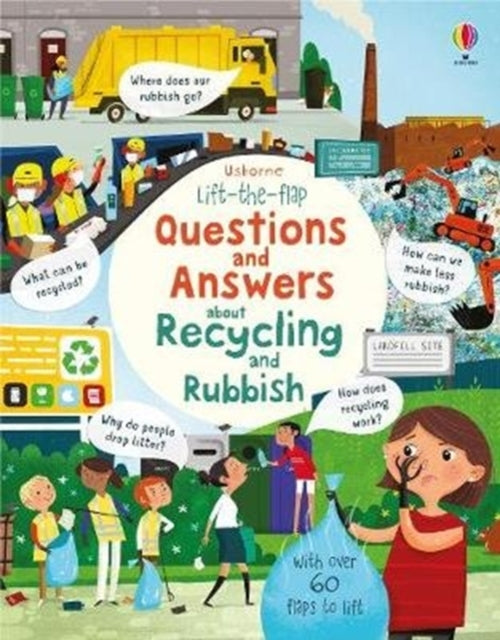
Lift-the-flap Questions and Answers About Recycling and Rubbish
Lift-the-flap Questions and Answers About Recycling and Rubbish
💎 Earn 38 Points (£0.38) on this item.
YOU SAVE £3.21
- Condition: Brand new
- UK Delivery times: Usually arrives within 2 - 3 working days
- UK Shipping: Fee starts at £2.39. Subject to product weight & dimension
Bulk ordering. Want 15 or more copies? Get a personalised quote and bigger discounts. Learn more about bulk orders.
Couldn't load pickup availability
- More about Lift-the-flap Questions and Answers About Recycling and Rubbish
Waste is a major problem that affects our environment, but there are ways to reduce and reuse it. This overview covers the different types of waste and the processes used to sort and recycle it, as well as tips on how to reduce and reuse waste.
Format: Board book
Length: 14 pages
Publication date: 03 September 2020
Publisher: Usborne Publishing Ltd
Here is the rephrased text:
Waste management is a complex and multifaceted issue that encompasses a wide range of activities and processes aimed at managing and disposing of waste in a safe, sustainable, and environmentally responsible manner. It involves the collection, transportation, treatment, and disposal of waste, as well as the prevention and reduction of waste generation.
Waste management is a critical issue that affects every aspect of society, from the environment to public health to economic development. Effective waste management practices can help to reduce the environmental impact of waste, protect human health, and conserve natural resources. However, poor waste management practices can lead to a range of environmental and health problems, including pollution, soil and water contamination, and greenhouse gas emissions.
There are many different types of waste, including solid waste, liquid waste, and hazardous waste. Solid waste is the most common type of waste and includes items such as household trash, construction and demolition debris, and organic waste. Liquid waste includes items such as sewage, wastewater, and industrial effluents. Hazardous waste includes items such as chemicals, batteries, and electronics that are toxic or harmful to the environment or human health.
Waste management practices can vary widely depending on the type of waste and the specific circumstances of the waste management system. In some cases, waste may be recycled or reused, while in other cases, it may be disposed of in landfills or incinerated. Recycling and reuse are important waste management practices that can help to reduce the amount of waste that is sent to landfills and incinerators. Recycling involves the processing of waste materials to create new products, while reuse involves the reusing of existing products or materials.
In addition to recycling and reuse, waste management practices can also include waste prevention and reduction. Waste prevention involves reducing the amount of waste that is generated in the first place, while waste reduction involves reducing the size and weight of waste that is generated. Waste prevention and reduction practices can include measures such as reducing packaging waste, promoting the use of reusable products, and implementing waste management policies and regulations.
Another important aspect of waste management is the treatment and disposal of waste. Waste treatment involves the processing of waste materials to remove harmful contaminants or to make the waste safe for disposal. Waste disposal involves the final disposal of waste in a safe and environmentally responsible manner. Waste disposal can include landfills, incineration, recycling, and waste-to-energy processes.
Landfills are the most common type of waste disposal facility and are used to dispose of solid waste that is not recyclable or reusable. However, landfills can have negative environmental impacts, including the release of greenhouse gases and the formation of leachate, which can contaminate soil and water. Incineration is another type of waste disposal facility that is used to dispose of solid waste that is not recyclable or reusable. Incineration involves the burning of waste materials to produce heat and electricity. However, incineration can also have negative environmental impacts, including the release of air pollutants and the formation of ash and slag. Recycling is a type of waste disposal facility that is used to dispose of solid waste that is recyclable or reusable. Recycling involves the processing of waste materials to create new products. Recycling can help to reduce the amount of waste that is sent to landfills and incinerators and can also help to conserve natural resources. Waste-to-energy processes are a type of waste disposal facility that is used to dispose of solid waste that is not recyclable or reusable. Waste-to-energy processes involve the burning of waste materials to produce heat and electricity. Waste-to-energy processes can help to reduce the amount of waste that is sent to landfills and incinerators and can also help to generate renewable energy.
In conclusion, waste management is a complex and multifaceted issue that requires a comprehensive and integrated approach. Effective waste management practices can help to reduce the environmental impact of waste, protect human health, and conserve natural resources. However, poor waste management practices can lead to a range of environmental and health problems. By implementing waste prevention and reduction practices, as well as effective waste treatment and disposal facilities, we can work towards a more sustainable and environmentally responsible future.
Waste management is a multifaceted and intricate issue that encompasses a wide range of activities and processes aimed at managing and disposing of waste in a safe, sustainable, and environmentally responsible manner. It involves the comprehensive collection, transportation, treatment, and disposal of waste, as well as the prevention and reduction of waste generation.
Waste management is a critical concern that impacts every aspect of society, from the environment to public health to economic development. Effective waste management practices are essential in mitigating the environmental impact of waste, safeguarding human health, and conserving natural resources. However, inadequate waste management practices can lead to a range of environmental and health problems, including pollution, soil and water contamination, and greenhouse gas emissions.
There are various types of waste, including solid waste, liquid waste, and hazardous waste. Solid waste is the most common type of waste and includes items such as household trash, construction and demolition debris, and organic waste. Liquid waste includes items such as sewage, wastewater, and industrial effluents. Hazardous waste includes items such as chemicals, batteries, and electronics that are toxic or harmful to the environment or human health.
Waste management practices can vary significantly depending on the type of waste and the specific circumstances of the waste management system. In some cases, waste may be recycled or reused, while in other cases, it may be disposed of in landfills or incinerated. Recycling and reuse are crucial waste management practices that can help reduce the amount of waste that is sent to landfills and incinerators. Recycling involves the processing of waste materials to create new products, while reuse involves the reusing of existing products or materials.
In addition to recycling and reuse, waste management practices can also include waste prevention and reduction. Waste prevention involves reducing the amount of waste that is generated in the first place, while waste reduction involves reducing the size and weight of waste that is generated. Waste prevention and reduction practices can include measures such as reducing packaging waste, promoting the use of reusable products, and implementing waste management policies and regulations.
Another critical aspect of waste management is the treatment and disposal of waste. Waste treatment involves the processing of waste materials to remove harmful contaminants or to make the waste safe for disposal. Waste disposal involves the final disposal of waste in a safe and environmentally responsible manner. Waste disposal can include landfills, incineration, recycling, and waste-to-energy processes.
Landfills are the most common type of waste disposal facility and are used to dispose of solid waste that is not recyclable or reusable. However, landfills can have negative environmental impacts, including the release of greenhouse gases and the formation of leachate, which can contaminate soil and water. Incineration is another type of waste disposal facility that is used to dispose of solid waste that is not recyclable or reusable. Incineration involves the burning of waste materials to produce heat and electricity. However, incineration can also have negative environmental impacts, including the release of air pollutants and the formation of ash and slag. Recycling is a type of waste disposal facility that is used to dispose of solid waste that is recyclable or reusable. Recycling involves the processing of waste materials to create new products. Recycling can help reduce the amount of waste that is sent to landfills and incinerators and can also help conserve natural resources. Waste-to-energy processes are a type of waste disposal facility that is used to dispose of solid waste that is not recyclable or reusable. Waste-to-energy processes involve the burning of waste materials to produce heat and electricity. Waste-to-energy processes can help reduce the amount of waste that is sent to landfills and incinerators and can also help generate renewable energy.
In conclusion, waste management is a complex and multifaceted issue that requires a comprehensive and integrated approach. Effective waste management practices are essential in mitigating the environmental impact of waste, safeguarding human health, and conserving natural resources. By implementing waste prevention and reduction practices, as well as effective waste treatment and disposal facilities, we can work towards a more sustainable and environmentally responsible future.
Weight: 528g
Dimension: 223 x 282 x 17 (mm)
ISBN-13: 9781474950664
UK and International shipping information
UK and International shipping information
UK Delivery and returns information:
- Delivery within 2 - 3 days when ordering in the UK.
- Shipping fee for UK customers from £2.39. Fully tracked shipping service available.
- Returns policy: Return within 30 days of receipt for full refund.
International deliveries:
Shulph Ink now ships to Australia, Belgium, Canada, France, Germany, Ireland, Italy, India, Luxembourg Saudi Arabia, Singapore, Spain, Netherlands, New Zealand, United Arab Emirates, United States of America.
- Delivery times: within 5 - 10 days for international orders.
- Shipping fee: charges vary for overseas orders. Only tracked services are available for most international orders. Some countries have untracked shipping options.
- Customs charges: If ordering to addresses outside the United Kingdom, you may or may not incur additional customs and duties fees during local delivery.