Shulph Ink
Linguistic Identities in the Arab Gulf States: Waves of Change
Linguistic Identities in the Arab Gulf States: Waves of Change
💎 Earn 202 Points (£2.02) on this item.
We can order this item for you. Delivery usually takes about 4 to 6 weeks.
This item is not held in our immediate stock. We will order it for you after checkout.
Estimated delivery: About 4 to 6 weeks
YOU SAVE £2.41
- Condition: Brand new
- UK Delivery times: Usually arrives within 2 - 3 working days
- UK Shipping: Fee starts at £2.39. Subject to product weight & dimension
Bulk ordering. Want 15 or more copies? Get a personalised quote and bigger discounts. Learn more about bulk orders.
Couldn't load pickup availability
- More about Linguistic Identities in the Arab Gulf States: Waves of Change
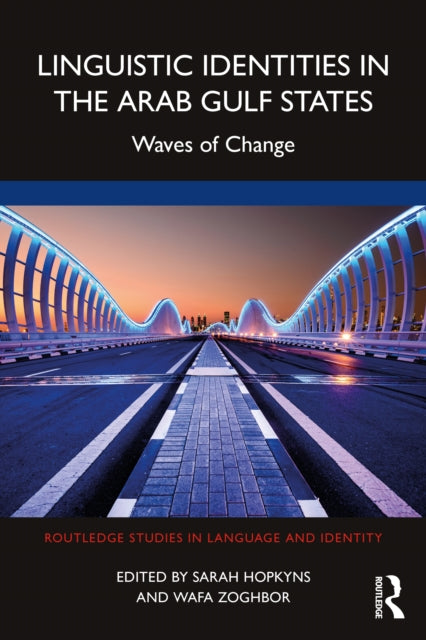
Linguistic Identities in the Arab Gulf States combines empirical and theoretical approaches from various disciplines to explore language and identity in the Arab Gulf states. The book addresses themes such as language and power, linguistic identities in the media, identities in transition, and language in education, with renowned experts contributing to understanding the dynamic and socially constructed nature of identities. The concepts and dilemmas discussed are relevant to other diverse nations globally, particularly in areas such as tolerance, diversity, EMI, media representation, and sociolinguistic inequalities.
Format: Paperback / softback
Length: 16 pages
Publication date: 21 June 2022
Publisher: Taylor & Francis Ltd
Linguistic Identities in the Arab Gulf States is a comprehensive exploration of the complex interplay between language, identity, and power in the Arab Gulf region. Written by esteemed experts from various disciplines, the book is divided into four parts, each addressing key themes related to language and identity.
Part I: Waves of Change in Relation to Language and Power explores the historical, social, and political factors that have shaped the linguistic landscape of the Gulf states. It examines how language has been used as a tool for power, control, and resistance, as well as how it has been influenced by external forces such as colonialism, globalization, and cultural exchange. The authors shed light on the ways in which language policies and practices have contributed to the marginalization and oppression of certain languages and communities, and they propose strategies for promoting linguistic diversity and inclusivity.
Part II: Linguistic Identities in the Media examines the role of media in shaping and perpetuating linguistic identities. It explores how media outlets, including television, radio, newspapers, and social media, represent language varieties, accents, and dialects, and how these representations impact public perception and attitudes towards language. The authors discuss the challenges faced by bilingual and multilingual individuals in navigating the media landscape and propose ways for promoting media literacy and cultural competence.
Part III: Identities in Transition explores the processes of identity formation and transformation in the Gulf region. It examines how individuals negotiate their multiple identities, including national, cultural, and linguistic identities, in the context of social, economic, and political changes. The authors explore the role of education, migration, and globalization in shaping identities and propose strategies for promoting intercultural understanding and social cohesion.
Part IV: Language in Education examines the role of language in education and its impact on learning and development. It explores how language policies and practices affect access to education, language proficiency, and academic achievement, and how they contribute to the perpetuation of linguistic inequalities. The authors propose strategies for improving language education, including bilingual and multilingual education, and for promoting language diversity and inclusivity in educational settings.
Linguistic Identities in the Arab Gulf States is a valuable resource for students, scholars, and policymakers interested in issues around language and identity, gender, language policy and planning, multilingualism, translingual practice, language in education, and language ideologies. The book offers a rich and nuanced understanding of the complex dynamics that shape linguistic identities in the Gulf region and provides insights into the challenges and opportunities that arise from these dynamics.
In conclusion, Linguistic Identities in the Arab Gulf States is a groundbreaking work that contributes significantly to our understanding of the complex interplay between language, identity, and power in the Arab Gulf region. By combining empirical and theoretical approaches from a range of disciplines, the book offers a comprehensive and interdisciplinary perspective on the topic. It is a must-read for anyone interested in language, identity, and the politics of power in the Middle East and beyond.
Weight: 471g
Dimension: 234 x 156 (mm)
ISBN-13: 9780367711719
This item can be found in:
UK and International shipping information
UK and International shipping information
UK Delivery and returns information:
- Delivery within 2 - 3 days when ordering in the UK.
- Shipping fee for UK customers from £2.39. Fully tracked shipping service available.
- Returns policy: Return within 30 days of receipt for full refund.
International deliveries:
Shulph Ink now ships to Australia, Belgium, Canada, France, Germany, Ireland, Italy, India, Luxembourg Saudi Arabia, Singapore, Spain, Netherlands, New Zealand, United Arab Emirates, United States of America.
- Delivery times: within 5 - 10 days for international orders.
- Shipping fee: charges vary for overseas orders. Only tracked services are available for most international orders. Some countries have untracked shipping options.
- Customs charges: If ordering to addresses outside the United Kingdom, you may or may not incur additional customs and duties fees during local delivery.