Shulph Ink
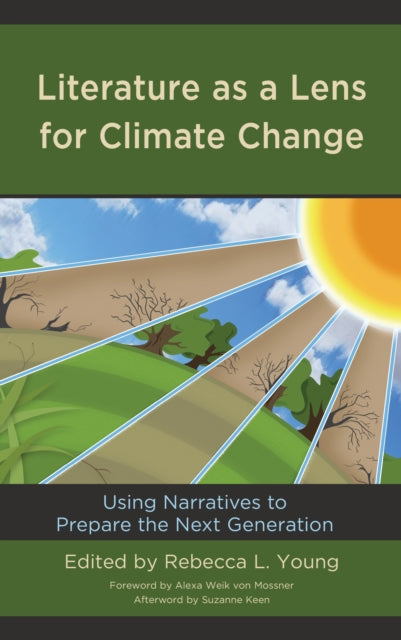
Literature as a Lens for Climate Change: Using Narratives to Prepare the Next Generation
Literature as a Lens for Climate Change: Using Narratives to Prepare the Next Generation
We can order this item for you. Delivery usually takes about 4 to 6 weeks.
This item is not held in our immediate stock. We will order it for you after checkout.
Estimated delivery: About 4 to 6 weeks
- Condition: Brand new
- UK Delivery times: Usually arrives within 2 - 3 working days
- UK Shipping: Fee starts at £3.89. Subject to product weight & dimension
Bulk ordering. Want 15 or more copies? Get a personalised quote and bigger discounts. Learn more about bulk orders.
Couldn't load pickup availability
- More about Literature as a Lens for Climate Change: Using Narratives to Prepare the Next Generation
The collection provides practical strategies for using literature to engage and empower students to address climate crises, featuring novels, short stories, drama, poetry, and nonfiction from diverse educators worldwide.
Literature can help students understand the causes and consequences of climate change and contribute to potential solutions. Educators from different backgrounds and parts of the world share their experiences using novels, short stories, drama, poetry, and nonfiction to engage students.
Format: Hardback
Length: 270 pages
Publication date: 03 March 2022
Publisher: Bloomsbury Publishing Plc
Climate change is a pressing global issue that requires urgent action. Literature can be a powerful tool for engaging and empowering students to confront its challenges. This collection offers practical approaches for using literature to help students understand the causes and consequences of climate change, as well as how they can contribute to potential solutions. Educators from diverse backgrounds and parts of the world share their experiences using novels, short stories, drama, poetry, and nonfiction to engage students and promote critical thinking and empathy.
One of the key themes in this collection is the impact of climate change on vulnerable communities. Authors explore the experiences of individuals and families who are affected by extreme weather events, rising sea levels, and other environmental challenges. These stories can help students develop a sense of compassion and understanding for those who are facing these challenges and inspire them to take action.
Another theme in this collection is the role of science in addressing climate change. Authors highlight the importance of scientific research and the need for policymakers to take action based on the findings. They also explore the ethical implications of climate change and the need for individuals to make responsible choices.
Literature can also be used to explore the cultural and historical aspects of climate change. Authors examine the ways in which different cultures have responded to climate change in the past and how these responses can inform our current efforts to address the issue. This can help students develop a broader understanding of the issue and its impact on different communities.
In addition to these themes, literature can also be used to promote creativity and innovation. Authors use their writing to explore new ideas and solutions to climate change. This can inspire students to think outside the box and develop their own creative solutions to the problem.
However, it is important to note that literature can also be a source of misinformation and confusion about climate change. Authors may use their writing to promote their own political or ideological agendas, or to make exaggerated claims about the severity of the issue. It is important for educators to be aware of these biases and to provide students with accurate and balanced information.
To address these challenges, educators can use a variety of strategies. They can incorporate literature into their curriculum, use discussion and debate, and provide students with opportunities to engage with the material. They can also work with local organizations and community groups to promote awareness and action.
One of the most effective strategies for using literature to engage and empower students is to use interactive activities. These activities can include reading, writing, and discussion, and can help students connect with the material on a deeper level. For example, educators can use a novel to explore the impact of climate change on a particular community and then have students write a letter to a local politician or business owner to advocate for change.
Another effective strategy is to use multimedia resources. These resources can include videos, podcasts, and interactive websites, and can help students visualize the impact of climate change. For example, educators can use a video to show the effects of rising sea levels on a coastal community and then have students discuss the ethical implications of these changes.
In addition to these strategies, educators can also work to create a sense of urgency around climate change. This can be done by highlighting the immediate and long-term consequences of climate change and by providing students with opportunities to take action. For example, educators can organize a climate change awareness campaign or a community garden to help reduce greenhouse gas emissions.
Finally, it is important to recognize that climate change is a complex issue that requires a long-term commitment. Educators can help students develop a sense of responsibility and commitment to the issue by providing them with opportunities to learn and grow over time. This can include providing students with access to resources and support, and by encouraging them to participate in community-based projects.
In conclusion, literature can be a powerful tool for engaging and empowering students to confront aspects of climate crises. This collection offers practical approaches for using literature to help students understand the causes and consequences of climate change, as well as how they can contribute to potential solutions. Educators from diverse backgrounds and parts of the world share their experiences using novels, short stories, drama, poetry, and nonfiction to engage students and promote critical thinking and empathy. By incorporating literature into their curriculum, using interactive activities, using multimedia resources, creating a sense of urgency, and recognizing the long-term commitment required, educators can help students develop a sense of responsibility and commitment to the issue.
Weight: 536g
Dimension: 159 x 236 x 24 (mm)
ISBN-13: 9781498594110
UK and International shipping information
UK and International shipping information
We deliver throughout the United Kingdom and to 128 countries and territories worldwide, including the United States, Australia, Canada, Germany, Spain and France.