Autumn Publishing
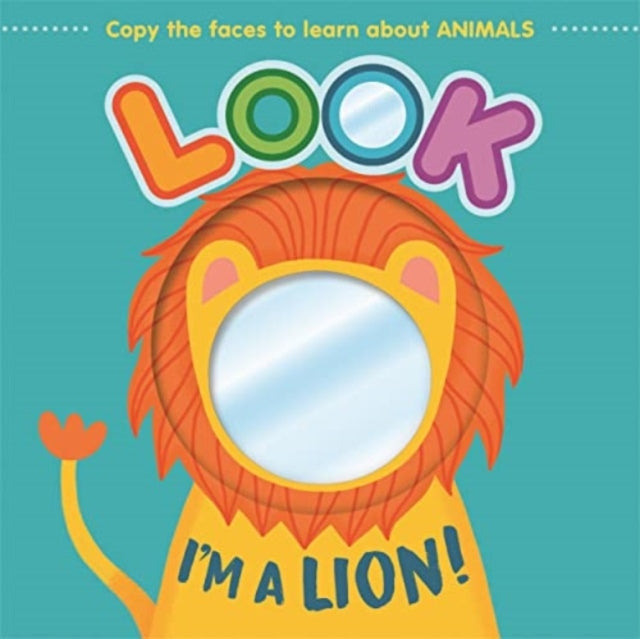
Look I'm a Lion!
Look I'm a Lion!
💎 Earn 35 Points (£0.35) on this item.
YOU SAVE £2.92
- Condition: Brand new
- UK Delivery times: Usually arrives within 2 - 3 working days
- UK Shipping: Fee starts at £2.39. Subject to product weight & dimension
Bulk ordering. Want 15 or more copies? Get a personalised quote and bigger discounts. Learn more about bulk orders.
Couldn't load pickup availability
- More about Look I'm a Lion!
Look! I'm a Lion! is a children's book that teaches about the wild through animal impressions.
Format: Board book
Length: 10 pages
Publication date: 31 July 2023
Publisher: Bonnier Books Ltd
Look! I'm a lion!
The lion is a majestic and powerful animal that is found in Africa and parts of Asia. It is known for its large size, powerful roar, and distinctive mane. Lions are apex predators, meaning they are at the top of the food chain and have no natural predators.
Lions are social animals that live in groups called prides. A pride consists of several females, their cubs, and one or two males. The males are responsible for protecting the pride from other lions and for providing food for the group.
Lions are carnivores, which means they eat only meat. Their diet consists of a variety of animals, including antelopes, zebras, and wildebeests. Lions are skilled hunters and can take down their prey with a single bite.
One of the most impressive features of lions is their roar. Lions can roar for long distances and can be heard up to 5 miles away. Their roar is used to communicate with other lions and to scare off potential predators.
Lions are also important for the ecosystem in which they live. They help to control the population of herbivores, which in turn helps to maintain the health of the vegetation in their habitat.
Despite their dominance in the wild, lions are facing several threats. One of the biggest threats is habitat loss. As human populations continue to grow, more and more land is being converted into agricultural land and urban development. This has led to the loss of habitat for lions and other wildlife.
Another threat to lions is poaching. Poachers are willing to pay large sums of money for lion bones and other parts of their body, which are used in traditional medicine. This has led to a significant decline in the lion population and has put them at risk of extinction.
Despite these threats, there are still efforts being made to protect lions. One of the most effective ways to protect lions is to create protected areas where they can live and thrive. These protected areas provide lions with a safe haven from human activity and from predators.
In addition, conservation organizations are working to educate people about the importance of lions and the threats they face. They are also working to reduce the demand for lion bones and other parts of their body, which can help to reduce poaching.
In conclusion, the lion is a magnificent and powerful animal that is important for the ecosystem in which it lives. However, it is facing several threats, including habitat loss and poaching. It is important that we take steps to protect lions and their habitat so that they can continue to thrive in the wild for generations to come.
The lion is a majestic and powerful animal that is found in Africa and parts of Asia. It is known for its large size, powerful roar, and distinctive mane. Lions are apex predators, meaning they are at the top of the food chain and have no natural predators.
Lions are social animals that live in groups called prides. A pride consists of several females, their cubs, and one or two males. The males are responsible for protecting the pride from other lions and for providing food for the group.
Lions are carnivores, which means they eat only meat. Their diet consists of a variety of animals, including antelopes, zebras, and wildebeests. Lions are skilled hunters and can take down their prey with a single bite.
One of the most impressive features of lions is their roar. Lions can roar for long distances and can be heard up to 5 miles away. Their roar is used to communicate with other lions and to scare off potential predators.
Lions are also important for the ecosystem in which they live. They help to control the population of herbivores, which in turn helps to maintain the health of the vegetation in their habitat.
Despite their dominance in the wild, lions are facing several threats. One of the biggest threats is habitat loss. As human populations continue to grow, more and more land is being converted into agricultural land and urban development. This has led to the loss of habitat for lions and other wildlife.
Another threat to lions is poaching. Poachers are willing to pay large sums of money for lion bones and other parts of their body, which are used in traditional medicine. This has led to a significant decline in the lion population and has put them at risk of extinction.
Despite these threats, there are still efforts being made to protect lions. One of the most effective ways to protect lions is to create protected areas where they can live and thrive. These protected areas provide lions with a safe haven from human activity and from predators.
In addition, conservation organizations are working to educate people about the importance of lions and the threats they face. They are also working to reduce the demand for lion bones and other parts of their body, which can help to reduce poaching.
In conclusion, the lion is a magnificent and powerful animal that is important for the ecosystem in which it lives. However, it is facing several threats, including habitat loss and poaching. It is important that we take steps to protect lions and their habitat so that they can continue to thrive in the wild for generations to come.
Weight: 164g
Dimension: 179 x 178 x 14 (mm)
ISBN-13: 9781803687605
UK and International shipping information
UK and International shipping information
UK Delivery and returns information:
- Delivery within 2 - 3 days when ordering in the UK.
- Shipping fee for UK customers from £2.39. Fully tracked shipping service available.
- Returns policy: Return within 30 days of receipt for full refund.
International deliveries:
Shulph Ink now ships to Australia, Belgium, Canada, France, Germany, Ireland, Italy, India, Luxembourg Saudi Arabia, Singapore, Spain, Netherlands, New Zealand, United Arab Emirates, United States of America.
- Delivery times: within 5 - 10 days for international orders.
- Shipping fee: charges vary for overseas orders. Only tracked services are available for most international orders. Some countries have untracked shipping options.
- Customs charges: If ordering to addresses outside the United Kingdom, you may or may not incur additional customs and duties fees during local delivery.