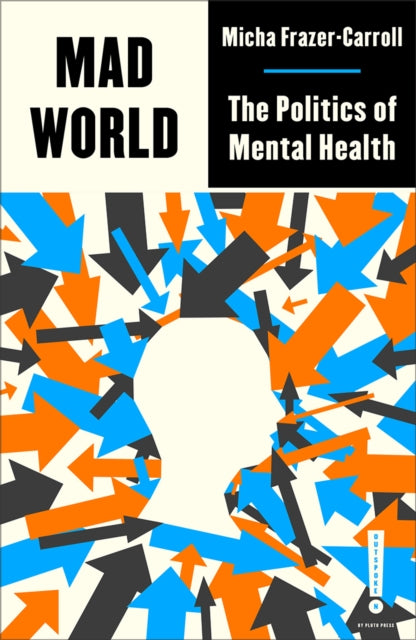
Micha Frazer-Carroll
Mad World: The Politics of Mental Health
Mad World: The Politics of Mental Health
💎 Earn 53 Points (£0.53) on this item.
YOU SAVE £3.26
- Condition: Brand new
- UK Delivery times: Usually arrives within 2 - 3 working days
- UK Shipping: Fee starts at £2.39. Subject to product weight & dimension
Bulk ordering. Want 15 or more copies? Get a personalised quote and bigger discounts. Learn more about bulk orders.
Couldn't load pickup availability
- More about Mad World: The Politics of Mental Health
Dazed magazine explores the political connections between mental health, capitalism, racism, and other social issues, and proposes a radical antidote to the constraints of the current conceptualization of mental health. It examines the history of asylums and psychiatry, the relationship between disability justice, queer liberation, and mental health, art and creativity, prisons and abolition, and alternative models of care.
Format: Paperback / softback
Length: 192 pages
Publication date: 05 July 2023
Publisher: Pluto Press
Mental health is a complex and multifaceted issue that encompasses a wide range of emotional, psychological, and social well-being. It is often treated as a personal matter, but it is also deeply intertwined with political, social, and economic factors. In this essay, we will explore the connections between mental health, capitalism, racism, and other social issues, and consider how we can transform our understanding and approach to mental health care.
The current mental health crisis is not just a personal concern; it is a political issue that requires urgent attention. The roots of the crisis can be traced back to a variety of factors, including capitalism, racism, and social inequality. Capitalism, for example, creates a culture of competition and individualism that can lead to high levels of stress, anxiety, and depression. Racism, on the other hand, contributes to mental health disparities by creating a sense of fear, isolation, and trauma among marginalized communities.
Furthermore, social issues such as poverty, homelessness, and lack of access to healthcare also play a significant role in mental health problems. People who are living in poverty are more likely to experience chronic stress, anxiety, and depression, while those who are homeless are at higher risk of developing mental health disorders due to the lack of stable housing, food, and healthcare.
To address the current mental health crisis, we need to take a holistic approach that addresses the root causes of the problem. This includes promoting social justice, reducing inequality, and providing access to quality healthcare and mental health services. It also involves challenging the dominant narratives about mental health and promoting alternative models of care that prioritize holistic well-being and creativity.
One example of an alternative model of care is the community mental health movement, which emphasizes the importance of community-based support and peer support. This approach recognizes that mental health is not just the responsibility of individuals but also of communities and society as a whole. It involves working with community organizations, schools, and other stakeholders to create a supportive environment that promotes mental health and well-being.
Another example is the use of art and creativity as a form of therapy and healing. Art therapy has been shown to be effective in treating a range of mental health disorders, including anxiety, depression, and trauma. It allows individuals to express themselves and explore their emotions in a safe and non-judgmental environment. Creativity, on the other hand, can be a powerful tool for promoting mental health and well-being. It can help individuals to develop resilience, cope with stress, and find meaning and purpose in their lives.
In addition to these alternative models of care, we also need to address the issue of stigma and discrimination surrounding mental health. Stigma and discrimination can prevent individuals from seeking help and support, and can lead to a sense of isolation and shame. It is important to promote awareness and education about mental health, and to work towards creating a culture that is more inclusive and supportive of mental health.
Finally, we need to recognize the role of prisons and abolition in promoting mental health and well-being. Prisons are often high-stress environments that can contribute to mental health problems. Abolition, on the other hand, can create a more just and equitable society that prioritizes rehabilitation and support for individuals who have committed crimes.
In conclusion, mental health is a complex and multifaceted issue that requires a comprehensive and holistic approach. The current mental health crisis is not just a personal concern; it is a political issue that requires urgent attention. By addressing the root
The current mental health crisis is not just a personal concern; it is a political issue that requires urgent attention. The roots of the crisis can be traced back to a variety of factors, including capitalism, racism, and social inequality. Capitalism, for example, creates a culture of competition and individualism that can lead to high levels of stress, anxiety, and depression. Racism, on the other hand, contributes to mental health disparities by creating a sense of fear, isolation, and trauma among marginalized communities.
Furthermore, social issues such as poverty, homelessness, and lack of access to healthcare also play a significant role in mental health problems. People who are living in poverty are more likely to experience chronic stress, anxiety, and depression, while those who are homeless are at higher risk of developing mental health disorders due to the lack of stable housing, food, and healthcare.
To address the current mental health crisis, we need to take a holistic approach that addresses the root health issues. This includes promoting social justice, reducing inequality, and providing access to quality healthcare and mental health services. It also involves challenging the dominant narratives about mental health and promoting alternative models of care that prioritize holistic well-being and creativity.
One example of an alternative model of care is the community mental health movement, which emphasizes the importance of community-based support and peer support. This approach recognizes that mental health is not just the responsibility of individuals but also of communities and society as a whole. It involves working with community organizations, schools, and other stakeholders to create a supportive environment that promotes mental health and well-being.
Another example is the use of art and creativity as a form of therapy and healing. Art therapy has been shown to be effective in treating a range of mental health disorders, including anxiety, depression, and trauma. It allows individuals to express themselves and explore their emotions in a safe and non-judgmental environment. Creativity, on the other hand, can be a powerful tool for promoting mental health and well-being. It can help individuals to develop resilience, cope with stress, and find meaning and purpose in their lives.
In addition to these alternative models of care, we also need to address the issue of stigma and discrimination surrounding mental health. Stigma and discrimination can prevent individuals from seeking help and support, and can lead to a sense of isolation and shame. It is important to promote awareness and education about mental health, and to work towards creating a culture that is more inclusive and supportive of mental health.
Finally, we need to recognize the role of prisons and abolition in promoting mental health and well-being. Prisons are often high-stress environments that can contribute to mental health problems. Abolition, on the other hand, can create a more just and equitable society that prioritizes rehabilitation and support for individuals who have committed crimes.
In conclusion, mental health is a complex and multifaceted issue that requires a comprehensive and holistic approach. The current mental health crisis is not just a personal concern; it is a political issue that requires urgent attention. By addressing the root causes of the problem, promoting social justice, reducing inequality, and providing access to quality healthcare and mental health services, we can create a more just and equitable society that prioritizes holistic well-being and creativity.
Dimension: 198 x 129 x 13 (mm)
ISBN-13: 9780745346717
UK and International shipping information
UK and International shipping information
UK Delivery and returns information:
- Delivery within 2 - 3 days when ordering in the UK.
- Shipping fee for UK customers from £2.39. Fully tracked shipping service available.
- Returns policy: Return within 30 days of receipt for full refund.
International deliveries:
Shulph Ink now ships to Australia, Belgium, Canada, France, Germany, Ireland, Italy, India, Luxembourg Saudi Arabia, Singapore, Spain, Netherlands, New Zealand, United Arab Emirates, United States of America.
- Delivery times: within 5 - 10 days for international orders.
- Shipping fee: charges vary for overseas orders. Only tracked services are available for most international orders. Some countries have untracked shipping options.
- Customs charges: If ordering to addresses outside the United Kingdom, you may or may not incur additional customs and duties fees during local delivery.