Arlena Siobhan Liggins
Making Diabetes - The Politics of Diabetes Diagnostics in Uganda
Making Diabetes - The Politics of Diabetes Diagnostics in Uganda
💎 Earn 185 Points (£1.85) on this item.
We can order this item for you. Delivery usually takes about 4 to 6 weeks.
This item is not held in our immediate stock. We will order it for you after checkout.
Estimated delivery: About 4 to 6 weeks
YOU SAVE £7.83
- Condition: Brand new
- UK Delivery times: Usually arrives within 2 - 3 working days
- UK Shipping: Fee starts at £2.39. Subject to product weight & dimension
Bulk ordering. Want 15 or more copies? Get a personalised quote and bigger discounts. Learn more about bulk orders.
Couldn't load pickup availability
- More about Making Diabetes - The Politics of Diabetes Diagnostics in Uganda
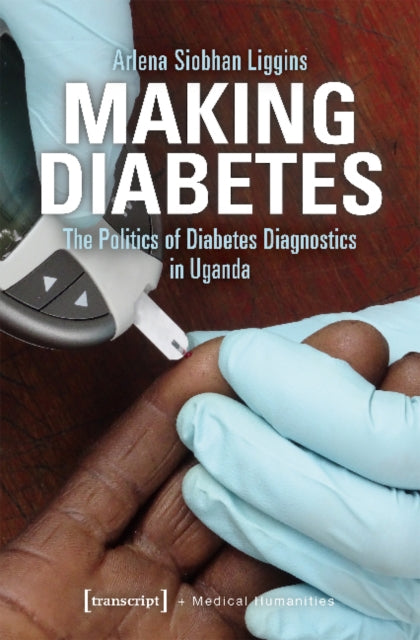
This book explores how the glucometer contributes to the making of diabetes in contemporary Uganda, highlighting the complex picture of hopes and misplaced expectations surrounding this technology.
Format: Paperback / softback
Length: 300 pages
Publication date: 20 December 2021
Publisher: Transcript Verlag
Diabetes, a formidable global health challenge of the twenty-first century, poses significant difficulties for countries with inadequate healthcare systems. This chronic disease requires an ever-growing response, particularly in regions where resources are scarce. In her book, "Tracing the Effects of a Diagnostic Device: The Glucometer in Contemporary Uganda," Arlena S. Liggins delves into the intricate role of the glucometer in the development of diabetes in modern-day Uganda. Liggins highlights that the outcomes of using a glucometer can extend far beyond mere diagnosis, depending on the individual who utilizes it. The book paints a nuanced portrait of hopes and misplaced expectations, encompassing the complex interplay of trust and mistrust surrounding a technology that, despite its availability, remains largely out of reach for many.
Through meticulous research and analysis, Liggins sheds light on the multifaceted implications of the glucometer in Uganda. She explores how its use shapes perceptions of diabetes, influences treatment decisions, and impacts the overall management of the disease. The book also sheds light on the social and cultural factors that contribute to the prevalence of diabetes in the region, including factors such as poverty, inadequate education, and traditional beliefs about health and wellness.
One of the key insights of the book is that the glucometer is not a neutral tool but rather a tool that is imbued with power and meaning. Liggins argues that the way in which the glucometer is used and interpreted can have profound consequences for individuals and communities. For example, she notes that the use of the glucometer can reinforce existing biases and stereotypes about diabetes, leading to stigmatization and discrimination against those who suffer from the disease.
Furthermore, the book highlights the challenges associated with the widespread use of the glucometer in resource-limited settings. Liggins notes that the glucometer requires regular maintenance and replacement of its consumables, which can be expensive and difficult to obtain in many parts of the world. This can lead to a reliance on expensive and unreliable diagnostic services, which can further exacerbate the burden of diabetes on individuals and communities.
Despite these challenges, the book offers a hopeful perspective on the potential of the glucometer to improve the management of diabetes in Uganda. Liggins argues that the glucometer can be used as a tool for empowerment and self-management, allowing individuals to take control of their health and monitor their blood sugar levels more effectively. She also suggests that the glucometer can be used as a platform for education and awareness-raising, helping to break down the barriers of stigma and discrimination that surround diabetes.
In conclusion, "Tracing the Effects of a Diagnostic Device: The Glucometer in Contemporary Uganda" is a thought-provoking and insightful book that sheds light on the complex relationship between technology, healthcare, and society. Liggins' work provides valuable insights into the ways in which the glucometer contributes to the development of diabetes in Uganda and offers a roadmap for addressing the challenges associated with its widespread use. By examining the power and meaning of the glucometer, this book contributes to our understanding of the broader global health issues of the twenty-first century.
Weight: 666g
Dimension: 226 x 147 x 15 (mm)
ISBN-13: 9783837648973
This item can be found in:
UK and International shipping information
UK and International shipping information
UK Delivery and returns information:
- Delivery within 2 - 3 days when ordering in the UK.
- Shipping fee for UK customers from £2.39. Fully tracked shipping service available.
- Returns policy: Return within 30 days of receipt for full refund.
International deliveries:
Shulph Ink now ships to Australia, Belgium, Canada, France, Germany, Ireland, Italy, India, Luxembourg Saudi Arabia, Singapore, Spain, Netherlands, New Zealand, United Arab Emirates, United States of America.
- Delivery times: within 5 - 10 days for international orders.
- Shipping fee: charges vary for overseas orders. Only tracked services are available for most international orders. Some countries have untracked shipping options.
- Customs charges: If ordering to addresses outside the United Kingdom, you may or may not incur additional customs and duties fees during local delivery.