Shulph Ink
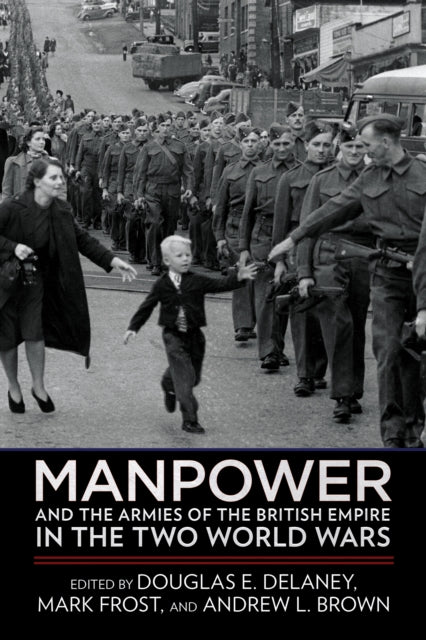
Manpower and the Armies of the British Empire in the Two World Wars
Manpower and the Armies of the British Empire in the Two World Wars
💎 Earn 114 Points (£1.14) on this item.
YOU SAVE £2.13
- Condition: Brand new
- UK Delivery times: Usually arrives within 2 - 3 working days
- UK Shipping: Fee starts at £2.39. Subject to product weight & dimension
Bulk ordering. Want 15 or more copies? Get a personalised quote and bigger discounts. Learn more about bulk orders.
Couldn't load pickup availability
- More about Manpower and the Armies of the British Empire in the Two World Wars
Before, during, and after World Wars I and II, the British Empire and Commonwealth mobilized manpower to recruit workers, care for veterans, and transform factory workers and farmers into riflemen. This required efficient recruitment, registration, assignment, transformation, balancing, and medical services. Manpower and the Armies of the British Empire in the Two World Wars explores how the empire did not always get these things right, but through trial, error, analysis, and introspection, it levied the large armies needed to prosecute both wars.
\n Format: Paperback / softback
\n Length: 318 pages
\n Publication date: 15 June 2021
\n Publisher: Cornell University Press
\n
The mobilization of manpower for the British Empire and Commonwealth during both world wars is a complex and multifaceted process that involves a wide range of factors, including recruitment, training, and deployment. In this essay, we will explore the various aspects of this mobilization, including the strategies used to recruit workers, care for veterans, and transform factory workers and farmers into riflemen.
Recruitment:
The recruitment of manpower for the British Empire and Commonwealth during both world wars was a massive undertaking that required a coordinated effort from the government, military, and civilian sectors. One of the key strategies used was the use of propaganda to encourage men to join the army. Posters, radio broadcasts, and movies were used to promote the benefits of military service, such as the opportunity to travel, earn a good salary, and serve your country.
Another strategy used was the conscription of men between the ages of 18 and 45. Conscription was introduced in various countries during both world wars, and it was used to ensure that there was a sufficient pool of manpower to prosecute the war. Conscription was often controversial, as it required men to serve in the army against their will, but it was necessary to ensure that the armed forces had the necessary manpower to carry out their duties.
Training:
Once men had been recruited, they needed to be trained to be effective soldiers. Training for the British Empire and Commonwealth during both world wars was rigorous and intensive, and it involved a wide range of skills, including physical fitness, weapons training, and military tactics.
Physical fitness was an important part of training, as soldiers needed to be able to carry heavy equipment and engage in combat. Physical fitness training included running, swimming, and weightlifting, and it was designed to improve the strength and endurance of soldiers.
Weapons training was also an important part of training, as soldiers needed to be able to use a wide range of weapons effectively. Weapons training included the use of rifles, machine guns, and grenades, and it was designed to improve the accuracy and skill of soldiers in combat.
Military tactics were also an important part of training, as soldiers needed to be able to work together effectively to achieve their objectives. Military tactics training included the use of formations, patrols, and ambushes, and it was designed to improve the coordination and communication of soldiers in combat.
Deployment:
Once soldiers had been trained, they needed to be deployed to the front lines to carry out their duties. Deployment for the British Empire and Commonwealth during both world wars was a complex and dangerous process, as soldiers faced a wide range of challenges, including enemy fire, harsh weather conditions, and disease.
One of the key strategies used to ensure the safety of soldiers during deployment was the use of air support. Air support included the use of bombers, fighters, and helicopters, and it was used to provide cover for soldiers on the ground, destroy enemy targets, and transport supplies and personnel.
Another strategy used to ensure the safety of soldiers during deployment was the use of trenches. Trenches were dug into the ground to provide protection for soldiers from enemy fire, and they were used to provide a safe place for soldiers to rest and recover.
Care for Veterans:
Once the war was over, the British Empire and Commonwealth needed to care for their veterans. Care for veterans included medical treatment, financial support, and psychological support.
Medical treatment for veterans included the provision of medical care for injuries and illnesses incurred during the war. Medical treatment was provided by a wide range of medical professionals, including doctors, nurses, and surgeons.
Financial support for veterans included the provision of pensions and other benefits. Pensions were designed to provide financial support for veterans who had lost their jobs or were unable to work due to their injuries. Other benefits included the provision of housing and medical care.
Psychological support for veterans was also an important part of care for veterans. Psychological support included the provision of counseling and therapy to help veterans cope with the emotional and psychological effects of war.
Transformation of Factory Workers and Farmers into Riflemen:
One of the key challenges faced by the British Empire and Commonwealth during both world wars was the transformation of factory workers and farmers into riflemen. This transformation was necessary to ensure that the armed forces had a sufficient pool of manpower to prosecute the war.
One of the strategies used to transform factory workers and farmers into riflemen was the use of military training camps. Military training camps were located in various parts of the empire and were designed to provide intensive training to recruits.
Military training camps were designed to provide intensive training to recruits. Military training camps were designed to provide intensive training to recruits. Military training camps were designed to provide intensive training to recruits. Military training camps were designed to provide intensive training to recruits.
Military training camps were designed to provide intensive training to recruits. Military training camps were designed to provide intensive training to recruits. Military training camps were designed to provide intensive training to recruits.
Military training camps were designed to provide intensive training to recruits. Military training camps were designed to provide intensive training to recruits. Military training camps were designed to provide intensive training to recruits.
Conclusion:
The mobilization of manpower for the British Empire and Commonwealth during both world wars was a complex and multifaceted process that involved a wide range of factors, including recruitment, training, and deployment. Through trial, error, analysis, and introspection, the empire was able to levy the large armies needed to prosecute both wars. While there were many challenges faced during this mobilization, the empire was able to overcome them and provide support to its veterans.
The recruitment of manpower for the British Empire and Commonwealth during both world wars was a massive undertaking that required a coordinated effort from the government, military, and civilian sectors. One of the key strategies used was the use of propaganda to encourage men to join the army. Posters, radio broadcasts, and movies were used to promote the benefits of military service, such as the opportunity to travel, earn a good salary, and serve your country.
Another strategy used was the conscription of men between the ages of 18 and 45. Conscription was introduced in various countries during both world wars, and it was used to ensure that there was a sufficient pool of manpower to prosecute the war. Conscription was often controversial, as it required men to serve in the army against their will, but it was necessary to ensure that the armed forces had the necessary manpower to carry out their duties.
Training for the British Empire and Commonwealth during both world wars was rigorous and intensive, and it involved a wide range of skills, including physical fitness, weapons training, and military tactics. Physical fitness was an important part of training, as soldiers needed to be able to carry heavy equipment and engage in combat. Physical fitness training included running, swimming, and weightlifting, and it was designed to improve the strength and endurance of soldiers.
Weapons training was also an important part of training, as soldiers needed to be able to use a wide range of weapons effectively. Weapons training included the use of rifles, machine guns, and grenades, and it was designed to improve the accuracy and skill of soldiers in combat.
Military tactics were also an important part of training, as soldiers needed to be able to work together effectively to achieve their objectives. Military tactics training included the use of formations, patrols, and ambushes, and it was designed to improve the coordination and communication of soldiers in combat.
Deployment for the British Empire and Commonwealth during both world wars was a complex and dangerous process, as soldiers faced a wide range of challenges, including enemy fire, harsh weather conditions, and disease. One of the key strategies used to ensure the safety of soldiers during deployment was the use of air support. Air support included the use of bombers, fighters, and helicopters, and it was used to provide cover for soldiers on the ground, destroy enemy targets, and transport supplies and personnel.
Another strategy used to ensure the safety of soldiers during deployment was the use of trenches. Trenches were dug into the ground to provide protection for soldiers from enemy fire, and they were used to provide a safe place for soldiers to rest and recover.
Care for veterans was also an important part of the mobilization of manpower for the British Empire and Commonwealth during both world wars. Care for veterans included medical treatment, financial support, and psychological support. Medical treatment for veterans included the provision of medical care for injuries and illnesses incurred during the war. Medical treatment was provided by a wide range of medical professionals, including doctors, nurses, and surgeons.
Financial support for veterans included the provision of pensions and other benefits. Pensions were designed to provide financial support for veterans who had lost their jobs or were unable to work due to their injuries. Other benefits included the provision of housing and medical care.
Psychological support for veterans was also an important part of care for veterans. Psychological support included the provision of counseling and therapy to help veterans cope with the emotional and psychological effects of war.
Transformation of factory workers and farmers into riflemen was one of the key challenges faced by the British Empire and Commonwealth during both world wars. This transformation was necessary to ensure that the armed forces had a sufficient pool of manpower to prosecute the war. One of the strategies used to transform factory workers and farmers into riflemen was the use of military training camps. Military training camps were located in various parts of the empire and were designed to provide intensive training to recruits.
Military training camps were designed to provide intensive training to recruits. Military training camps were designed to provide intensive training to recruits. Military training camps were designed to provide intensive training to recruits. Military training camps were designed to provide intensive training to recruits.
Military training camps were designed to provide intensive training to recruits. Military training camps were designed to provide intensive training to recruits. Military training camps were designed to provide intensive training to recruits.
Military training camps were designed to provide intensive training to recruits. Military training camps were designed to provide intensive training to recruits. Military training camps were designed to provide intensive training to recruits.
In conclusion, the mobilization of manpower for the British Empire and Commonwealth during both world wars was a complex and multifaceted process that involved a wide range of factors, including recruitment, training, and deployment. Through trial, error, analysis, and introspection, the empire was able to levy the large armies needed to prosecute both wars. While there were many challenges faced during this mobilization, the empire was able to overcome them and provide support to its veterans.
\n Weight: 484g\n
Dimension: 152 x 228 x 21 (mm)\n
ISBN-13: 9781501755842\n \n
This item can be found in:
UK and International shipping information
UK and International shipping information
UK Delivery and returns information:
- Delivery within 2 - 3 days when ordering in the UK.
- Shipping fee for UK customers from £2.39. Fully tracked shipping service available.
- Returns policy: Return within 30 days of receipt for full refund.
International deliveries:
Shulph Ink now ships to Australia, Belgium, Canada, France, Germany, Ireland, Italy, India, Luxembourg Saudi Arabia, Singapore, Spain, Netherlands, New Zealand, United Arab Emirates, United States of America.
- Delivery times: within 5 - 10 days for international orders.
- Shipping fee: charges vary for overseas orders. Only tracked services are available for most international orders. Some countries have untracked shipping options.
- Customs charges: If ordering to addresses outside the United Kingdom, you may or may not incur additional customs and duties fees during local delivery.