Shulph Ink
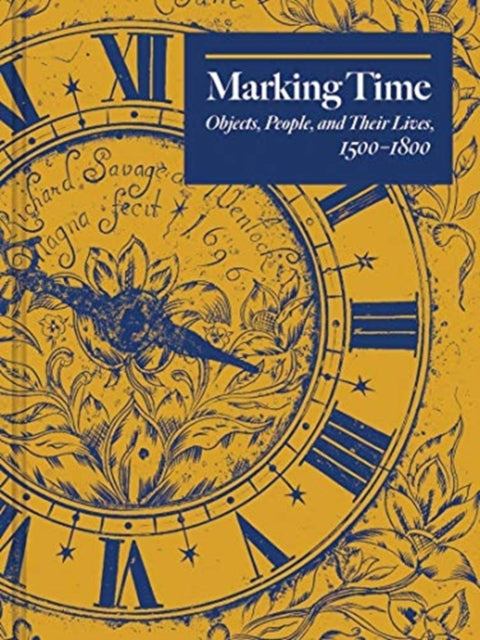
Marking Time: Objects, People, and Their Lives, 1500-1800
Marking Time: Objects, People, and Their Lives, 1500-1800
💎 Earn 236 Points (£2.36) on this item.
YOU SAVE £2.80
- Condition: Brand new
- UK Delivery times: Usually arrives within 2 - 3 working days
- UK Shipping: Fee starts at £3.89. Subject to product weight & dimension
Bulk ordering. Want 15 or more copies? Get a personalised quote and bigger discounts. Learn more about bulk orders.
Couldn't load pickup availability
- More about Marking Time: Objects, People, and Their Lives, 1500-1800
This book explores the material world of early modern Britain through a unique collection of dated objects, providing a vivid sense of the lived experience of time and a sweeping survey of the material world.
Format: Hardback
Length: 512 pages
Publication date: 30 October 2020
Publisher: Yale University Press
The period from 1500 to 1800 in England was a time of remarkable social transformations, driven by a profound shift in how people perceived, measured, and recorded time. This captivating book delves into this theme through a focused examination of an extensive private collection of fine and decorative artworks. By exploring the diverse range of objects, each bearing a specific date that marks a significant moment in history, the book offers a unique perspective on the changing notions of time and mortality during this era.
From paintings to porringers, teapots to tape measures, the objects in this collection provide a vivid glimpse into the lived experience of time. They offer a sweeping survey of the material world of early modern Britain, showcasing the craftsmanship, design, and cultural significance of the period.
The book is organized into chapters that explore different aspects of time and its impact on society. Each chapter is accompanied by stunning illustrations and detailed descriptions, allowing readers to appreciate the intricate details and historical significance of each object.
One of the key themes that emerges from the book is the changing perception of time in the early modern period. Prior to this time, time was often seen as a linear progression, with each day, month, and year following one another in a predictable manner. However, as the Industrial Revolution took hold, people began to experience time in new ways, with the pace of change accelerating and the concept of time becoming more abstract.
This shift in perception was reflected in the art of the period. Artists began to explore new techniques and styles, such as impressionism and cubism, which challenged traditional notions of time and space. They sought to capture the fleeting moments of life and the changing nature of the world around them, often using abstract and non-representational forms to convey their ideas.
Another theme that the book explores is the relationship between time and mortality. As people began to live longer and experience new technologies and medical advancements, they began to confront their own mortality in new ways. The objects in the collection, such as death masks and mourning jewelry, reflect this shift in attitude, with their designs and materials reflecting the emotional and psychological response to death.
The book also highlights the role that religion played in shaping people's perceptions of time and mortality. Different religious traditions had their own interpretations of time and its significance, and these beliefs were reflected in the art and objects of the period. For example, the use of clocks and calendars in religious practices was a way to measure and control time, as well as to mark important religious events and holidays.
In addition to its exploration of time and mortality, the book also provides a valuable insight into the social and cultural context of the early modern period. It explores the role of the aristocracy and the bourgeoisie in shaping society, as well as the impact of the Industrial Revolution on the lives of ordinary people. The objects in the collection, such as luxury goods and consumer products, reflect the changing consumer culture and the growing importance of material possessions in the early modern world.
Overall, this beautifully designed book offers a comprehensive and engaging account of the material world of early modern Britain as told through a unique collection of dated objects. It provides a rich and nuanced understanding of the social, cultural, and historical context of the period, and is a must-read for anyone interested in the history and culture of early modern Europe.
Distributed for the Yale Center for British Art
The period from 1500 to 1800 in England was a time of remarkable social transformations, driven by a profound shift in how people perceived, measured, and recorded time.
This captivating book delves into this theme through a focused examination of an extensive private collection of fine and decorative artworks.
By exploring the diverse range of objects, each bearing a specific date that marks a significant moment in history, the book offers a unique perspective on the changing notions of time and mortality during this era.
From paintings to porringers, teapots to tape measures, the objects in this collection provide a vivid glimpse into the lived experience of time.
They offer a sweeping survey of the material world of early modern Britain, showcasing the craftsmanship, design, and cultural significance of the period.
The book is organized into chapters that explore different aspects of time and its impact on society.
Each chapter is accompanied by stunning illustrations and detailed descriptions, allowing readers to appreciate the intricate details and historical significance of each object.
One of the key themes that emerges from the book is the changing perception of time in the early modern period.
Prior to this time, time was often seen as a linear progression, with each day, month, and year following year following one another in a predictable manner.
However, as the Industrial Revolution took hold, people began to experience time in new ways, with the pace of change accelerating and the concept of time becoming more abstract.
This shift in perception was reflected in the art of the period.
Artists began to explore new techniques and styles, such as impressionism and cubism, which challenged traditional notions of time and space.
They sought to capture the fleeting moments of life and the changing nature of the world around them, often using abstract and non-representational forms to convey their ideas.
Another theme that the book explores is the relationship between time and mortality.
As people began to live longer and experience new technologies and medical advancements, they began to confront their own mortality in new ways.
The objects in the collection, such as death masks and mourning jewelry, reflect this shift in attitude, with their designs and materials reflecting the emotional and psychological response to death.
The book also highlights the role that religion played in shaping people's perceptions of time and mortality.
Different religious traditions had their own interpretations of time and its significance, and these beliefs were reflected in the art and objects of the period.
For example, the use of clocks and calendars in religious practices was a way to measure and control time, as well as to mark important religious events and holidays.
In addition to its exploration of time and mortality, the book also provides a valuable insight into the social and cultural context of the early modern period.
It explores the role of the aristocracy and the bourgeoisie in shaping society, as well as the impact of the Industrial Revolution on the lives of ordinary people.
The objects in the collection, such as luxury goods and consumer products, reflect the changing consumer culture and the growing importance of material possessions in the early modern world.
Overall, this beautifully designed book offers a comprehensive and engaging account of the material world of early modern Britain as told through a unique collection of dated objects.
It provides a rich and nuanced understanding of the social, cultural, and historical context of the period, and is a must-read for anyone interested in the history and culture of early modern Europe.
Weight: 2464g
Dimension: 211 x 272 x 2 (mm)
ISBN-13: 9780300254105
UK and International shipping information
UK and International shipping information
We deliver throughout the United Kingdom and to 128 countries and territories worldwide, including the United States, Australia, Canada, Germany, Spain and France.