Shulph Ink
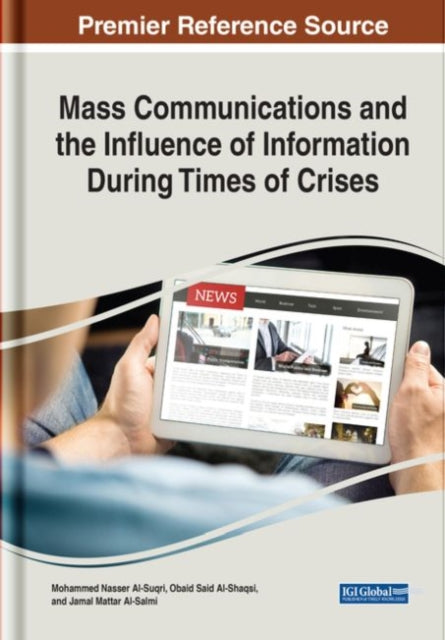
Mass Communications and the Influence of Information During Times of Crises
Mass Communications and the Influence of Information During Times of Crises
💎 Earn 1054 Points (£10.54) on this item.
YOU SAVE £2.13
- Condition: Brand new
- UK Delivery times: Usually arrives within 2 - 3 working days
- UK Shipping: Fee starts at £2.39. Subject to product weight & dimension
Bulk ordering. Want 15 or more copies? Get a personalised quote and bigger discounts. Learn more about bulk orders.
Couldn't load pickup availability
- More about Mass Communications and the Influence of Information During Times of Crises
The spread of COVID-19 in 2020 has highlighted the critical role of information in all areas of life, particularly in managing global pandemics. In today's world, people have access to unprecedented amounts of information from both official and unofficial sources, which can be both a blessing and a curse. Social media and other online forms of communication can hinder official efforts to manage the crisis by spreading fake news and misinformation, while traditional media such as newspapers, television, and radio news are important sources of information for many people. The information that individuals receive from all these channels, and their attitudes and responses to this information, are likely to influence their behaviors in ways that may support or hinder government efforts to curb the spread of the virus. This book provides a comprehensive overview of research conducted into the role of information and the media during the COVID-19 pandemic and offers insights into how to use these tools for managing pandemics in the future. It is targeted at anyone with an interest in understanding how information, the media, and communications play an important role in pandemic management.
Format: Hardback
Length: 315 pages
Publication date: 17 December 2021
Publisher: IGI Global
The spread of COVID-19 in 2020 has occurred in a vastly different information environment to that which existed even at the time of the SARS pandemic less than two decades ago. In today's world, information plays a critical role in all areas of life, with much of this being delivered via the Internet and social media. People have access to unprecedented amounts of information from both official and unofficial sources. These channels and the connectivity they provide are essential in enabling authorities to obtain information necessary for managing a pandemic, and as communication tools to support the implementation of pandemic management strategies and measures.
However, social media and other online forms of communication can also hinder official efforts to manage the crisis, with vast amounts of fake news and misinformation being posted and shared. The traditional media also play a key role in global pandemics, with newspapers, television, and radio news being an important source of information for many people, and overall rates of news consumption typically increasing at this time. The information that individuals receive from all these channels, and their attitudes and responses to this information, are likely to influence their behaviors in ways that may support or hinder government efforts to curb the spread of the virus.
Since this is the first time a global pandemic has occurred in the context of a largely digital information environment, little was previously known about the role of information and the media in pandemic management in this type of information environment. The book is intended to provide a comprehensive overview of research conducted into the role of information and the media during the COVID-19 pandemic.
The first chapter of the book provides an introduction to the topic, outlining the key challenges and opportunities that the COVID-19 pandemic has presented for information and the media. It also highlights the importance of understanding the role of information and the media in pandemic management in order to develop effective strategies and measures to respond to future pandemics.
The second chapter of the book explores the role of information and the media in shaping public opinion and behavior during the COVID-19 pandemic. It examines the ways in which information and the media have been used to spread misinformation, fear, and panic, as well as to promote public health and safety measures. The chapter also explores the ways in which the media have been used to mobilize public support for government efforts to manage the pandemic, and to hold officials accountable for their actions.
The third chapter of the book examines the role of information and the media in shaping government policies and practices during the COVID-19 pandemic. It explores the ways in which information and the media have been used to influence decision-making processes, and to shape the public narrative around the pandemic. The chapter also examines the ways in which the media have been used to hold government officials accountable for their actions, and to promote transparency and accountability in pandemic management.
The fourth chapter of the book explores the role of information and the media in promoting public health and safety during the COVID-19 pandemic. It examines the ways in which information and the media have been used to promote healthy behaviors, such as physical distancing, handwashing, and mask-wearing, as well as to provide information about the risks and benefits of different COVID-19 vaccines and treatments. The chapter also explores the ways in which the media have been used to promote public health literacy and education, and to provide information about the ways in which individuals can protect themselves and their communities from the COVID-19 pandemic.
The fifth chapter of the book examines the role of information and the media in responding to the misinformation and disinformation that has been spread during the COVID-19 pandemic. It explores the ways in which information and the media have been used to counter misinformation and disinformation, and to promote accurate and reliable information about the pandemic. The chapter also explores the ways in which the media have been used to hold individuals and organizations accountable for spreading misinformation and disinformation, and to promote media literacy and education.
The sixth chapter of the book examines the role of information and the media in promoting global cooperation and solidarity during the COVID-19 pandemic. It explores the ways in which information and the media have been used to promote international cooperation and solidarity, and to promote the sharing of resources and knowledge in order to respond to the pandemic. The chapter also explores the ways in which the media have been used to promote public awareness and understanding of the pandemic, and to promote empathy and compassion for those who have been affected by the pandemic.
The seventh chapter of the book examines the role of information and the media in promoting post-pandemic recovery and resilience. It explores the ways in which information and the media have been used to promote economic recovery and job creation, as well as to promote social and emotional well-being and resilience in communities affected by the pandemic. The chapter also explores the ways in which the media have been used to promote public awareness and understanding of the long-term impacts of the pandemic, and to promote public engagement and participation in pandemic management and recovery efforts.
The eighth chapter of the book examines the role of information and the media in promoting global health security and preparedness for future pandemics. It explores the ways in which information and the media have been used to promote global health security and preparedness, and to promote the development and implementation of effective pandemic management strategies and measures. The chapter also explores the ways in which the media have been used to promote public awareness and understanding of the risks and benefits of different pandemic management strategies and measures, and to promote public engagement and participation in pandemic management and recovery efforts.
The ninth chapter of the book examines the role of information and the media in promoting media literacy and education for the public. It explores the ways in which information and the media have been used to promote media literacy and education, and to promote public awareness and understanding of the importance of media literacy and education in a digital age. The chapter also explores the ways in which the media have been used to promote public engagement and participation in media literacy and education efforts, and to promote media literacy and education as a critical component of public health and safety.
The tenth chapter of the book examines the role of information and the media in promoting media accountability and transparency. It explores the ways in which information and the media have been used to promote media accountability and transparency, and to promote public awareness and understanding of the importance of media accountability and transparency in a digital age. The chapter also explores the ways in which the media have been used to promote public engagement and participation in media accountability and transparency efforts, and to promote media accountability and transparency as a critical component of public health and safety.
The eleventh chapter of the book examines the role of information and the media in promoting media diversity and inclusion. It explores the ways in which information and the media have been used to promote media diversity and inclusion, and to promote public awareness and understanding of the importance of media diversity and inclusion in a digital age. The chapter also explores the ways in which the media have been used to promote public engagement and participation in media diversity and inclusion efforts, and to promote media diversity and inclusion as a critical component of public health and safety.
The twelfth chapter of the book examines the role of information and the media in promoting media freedom and independence. It explores the ways in which information and the media have been used to promote media freedom and independence, and to promote public awareness and understanding of the importance of media freedom and independence in a digital age. The chapter also explores the ways in which the media have been used to promote public engagement and participation in media freedom and independence efforts, and to promote media freedom and independence as a critical component of public health and safety.
The thirteenth chapter of the book examines the role of information and the media in promoting media sustainability and environmental sustainability. It explores the ways in which information and the media have been used to promote media sustainability and environmental sustainability, and to promote public awareness and understanding of the importance of media sustainability and environmental sustainability in a digital age. The chapter also explores the ways in which the media have been used to promote public engagement and participation in media sustainability and environmental sustainability efforts, and to promote media sustainability and environmental sustainability as a critical component of public health and safety.
The fourteenth chapter of the book examines the role of information and the media in promoting media ethics and professionalism. It explores the ways in which information and the media have been used to promote media ethics and professionalism, and to promote public awareness and understanding of the importance of media ethics and professionalism in a digital age. The chapter also explores the ways in which the media have been used to promote public engagement and participation in media ethics and professionalism efforts, and to promote media ethics and professionalism as a critical component of public health and safety.
The fifteenth chapter of the book examines the role of information and the media in promoting media literacy and education for the public. It explores the ways in which information and the media have been used to promote media literacy and education, and to promote public awareness and understanding of the importance of media literacy and education in a digital age. The chapter also explores the ways in which the media have been used to promote public engagement and participation in media literacy and education efforts, and to promote media literacy and education as a critical component of public health and safety.
The sixteenth chapter of the book examines the role of information and the media in promoting media accountability and transparency. It explores the ways in which information and the media have been used to promote media accountability and transparency, and to promote public awareness and understanding of the importance of media accountability and transparency in a digital age. The chapter also explores the ways in which the media have been used to promote public engagement and participation in media accountability and transparency efforts, and to promote media accountability and transparency as a critical component of public health and safety.
The seventeenth chapter of the book examines the role of information and the media in promoting media diversity and inclusion. It explores the ways in which information and the media have been used to promote media diversity and inclusion, and to promote public awareness and understanding of the importance of media diversity and inclusion in a digital age. The chapter also explores the ways in which the media have been used to promote public engagement and participation in media diversity and inclusion efforts, and to promote media diversity and inclusion as a critical component of public health and safety.
The eighteenth chapter of the book examines the role of information and the media in promoting media freedom and independence. It explores the ways in which information and the media have been used to promote media freedom and independence, and to promote public awareness and understanding of the importance of media freedom and independence in a digital age. The chapter also explores the ways in which the media have been used to promote public engagement and participation in media freedom and independence efforts, and to promote media freedom and independence as a critical component of public health and safety.
The nineteenth chapter of the book examines the role of information and the media in promoting media sustainability and environmental sustainability. It explores the ways in which information and the media have been used to promote media sustainability and environmental sustainability, and to promote public awareness and understanding of the importance of media sustainability and environmental sustainability in a digital age. The chapter also explores the ways in which the media have been used to promote public engagement and participation in media sustainability and environmental sustainability efforts, and to promote media sustainability and environmental sustainability as a critical component of public health and safety.
The twentieth chapter of the book examines the role of information and the media in promoting media ethics and professionalism. It explores the ways in which information and the media have been used to promote media ethics and professionalism, and to promote public awareness and understanding of the importance of media ethics and professionalism in a digital age. The chapter also explores the ways in which the media have been used to promote public engagement and participation in media ethics and professionalism efforts, and to promote media ethics and professionalism as a critical component of public health and safety.
The final chapter of the book examines the role of information and the media in promoting media literacy and education for the public. It explores the ways in which information and the media have been used to promote media literacy and education, and to promote public awareness and understanding of the importance of media literacy and education in a digital age. The chapter also explores the ways in which the media have been used to promote public engagement and participation in media literacy and education efforts, and to promote media literacy and education as a critical component of public health and safety.
The COVID-19 pandemic has presented a unique set of challenges and opportunities for information and the media in shaping public opinion and behavior, shaping government policies and practices, promoting public health and safety, responding to misinformation and disinformation, promoting global cooperation and solidarity, promoting post-pandemic recovery and resilience, promoting global health security and preparedness for future pandemics, promoting media literacy and education for the public, promoting media accountability and transparency, promoting media diversity and inclusion, promoting media freedom and independence, promoting media sustainability and environmental sustainability, promoting media ethics and professionalism, and promoting media literacy and education for the public. The book provides a comprehensive overview of research conducted into the role of information and the media during the COVID-19 pandemic, and offers insights and recommendations for policymakers, practitioners, and the public in order to promote effective and responsible use of information and the media in a digital age.
The COVID-19 pandemic has presented a unique set of challenges and opportunities for information and the media in shaping public opinion and behavior, shaping government policies and practices, promoting public health and safety, responding to misinformation and disinformation, promoting global cooperation and solidarity, promoting post-pandemic recovery and resilience, promoting global health security and preparedness for future pandemics, promoting media literacy and education for the public, promoting media accountability and transparency, promoting media diversity and inclusion, promoting media freedom and independence, promoting media sustainability and environmental sustainability, promoting media ethics and professionalism, and promoting media literacy and education for the public. The book provides a comprehensive overview of research conducted into the role of information and the media during the COVID-19 pandemic, and offers insights and recommendations for policymakers, practitioners, and the public in order to promote effective and responsible use of information and the media in a digital age.
Weight: 633g
Dimension: 279 x 216 (mm)
ISBN-13: 9781799875031
This item can be found in:
UK and International shipping information
UK and International shipping information
UK Delivery and returns information:
- Delivery within 2 - 3 days when ordering in the UK.
- Shipping fee for UK customers from £2.39. Fully tracked shipping service available.
- Returns policy: Return within 30 days of receipt for full refund.
International deliveries:
Shulph Ink now ships to Australia, Belgium, Canada, France, Germany, Ireland, Italy, India, Luxembourg Saudi Arabia, Singapore, Spain, Netherlands, New Zealand, United Arab Emirates, United States of America.
- Delivery times: within 5 - 10 days for international orders.
- Shipping fee: charges vary for overseas orders. Only tracked services are available for most international orders. Some countries have untracked shipping options.
- Customs charges: If ordering to addresses outside the United Kingdom, you may or may not incur additional customs and duties fees during local delivery.