Shulph Ink
Media, Conflict and Peacebuilding in Africa: Conceptual and Empirical Considerations
Media, Conflict and Peacebuilding in Africa: Conceptual and Empirical Considerations
💎 Earn 221 Points (£2.21) on this item.
We can order this item for you. Delivery usually takes about 4 to 6 weeks.
This item is not held in our immediate stock. We will order it for you after checkout.
Estimated delivery: About 4 to 6 weeks
YOU SAVE £2.63
- Condition: Brand new
- UK Delivery times: Usually arrives within 2 - 3 working days
- UK Shipping: Fee starts at £2.39. Subject to product weight & dimension
Bulk ordering. Want 15 or more copies? Get a personalised quote and bigger discounts. Learn more about bulk orders.
Couldn't load pickup availability
- More about Media, Conflict and Peacebuilding in Africa: Conceptual and Empirical Considerations
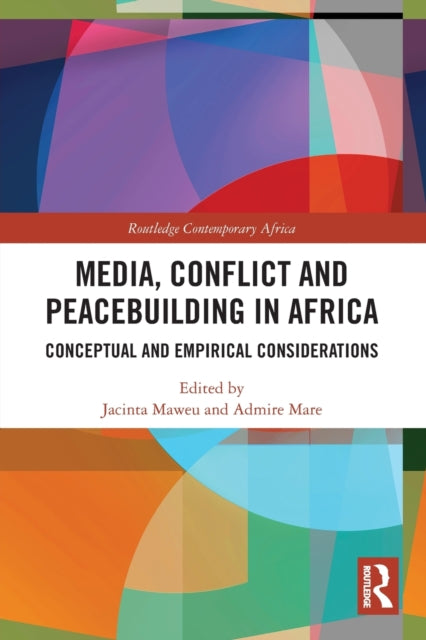
This book explores the role and place of popular, traditional and digital media platforms in the mediatization, representation, and performance of various conflicts and peacebuilding interventions in the African context. It highlights the in-between role of the media in times of conflict and critically analyzes the dynamic and emergent roles of popular and digital media platforms in a continent where semi-literate and oral communities rely heavily on popular communication platforms. The book also shines a light on dark forms of participation that fuel racial, gender, ethnic, political, and religious conflicts in highly polarized and stratified societies. It will be a useful resource for students, researchers, and civil society groups interested in peace and conflict studies, journalism, and media studies in different contexts within Africa.
Format: Paperback / softback
Length: 264 pages
Publication date: 31 May 2023
Publisher: Taylor & Francis Ltd
This comprehensive book delves into the intricate interplay between popular, traditional, and digital media platforms and their significant roles in mediating, representing, and shaping various conflicts and peacebuilding interventions across the African continent. It challenges the conventional binary of media as either "good" (promoting peace) or "bad" (escalating conflict) by exploring the nuanced and often complex roles that media play in times of conflict. The volume expands its scope beyond mainstream media to critically examine the dynamic and emergent roles of popular and digital media platforms, particularly in light of the fact that semi-literate and oral communities in Africa continue to rely heavily on these platforms for news and information.
While social media platforms have been celebrated for their perceived democratic and digital dividends, this book goes beyond these positive aspects to shed light on the darker side of participation, which fuels racial, gender, ethnic, political, and religious conflicts in highly polarized and stratified societies. By highlighting the multifaceted ways in which traditional, digital, and popular media can be employed to both exacerbate conflicts and foster peacebuilding, this volume serves as a valuable resource for students, researchers, and civil society organizations engaged in peace and conflict studies, journalism, and media studies across diverse African contexts.
The book begins by providing a theoretical framework for understanding the role of media in conflict and peacebuilding. It explores the historical and cultural contexts in which media operates, as well as the power dynamics and social structures that shape their coverage of conflicts. The authors then examine the various ways in which media platforms can be used to promote peacebuilding, such as through the dissemination of accurate information, the promotion of dialogue and understanding, and the empowerment of marginalized communities.
In the subsequent chapters, the book provides case studies and examples from across Africa to illustrate the diverse ways in which media platforms are being used to mediate, represent, and shape conflicts. It explores the role of traditional media outlets, such as newspapers, radio, and television, in shaping public opinion and mobilizing support for peacebuilding initiatives. It also examines the rise of social media platforms, such as Twitter, Facebook, and Instagram, as tools for organizing protests, disseminating information, and mobilizing support for social and political movements.
The book also highlights the challenges and risks associated with the use of media in conflict and peacebuilding. It discusses the potential for media to perpetuate stereotypes, amplify conflict, and undermine peacebuilding efforts. It also examines the ethical dilemmas that journalists and media organizations face when covering conflicts, such as the balance between reporting the truth and protecting the safety of their sources.
Finally, the book offers recommendations for policymakers, media organizations, and civil society groups to promote responsible and effective use of media in conflict and peacebuilding. It calls for greater media literacy and education, the development of ethical guidelines and standards for media coverage, and the promotion of diversity and inclusivity in media content.
In conclusion, this book provides a comprehensive and insightful examination of the role and place of popular, traditional, and digital media platforms in the mediatization, representation, and performance of various conflicts and peacebuilding interventions in the African context. By challenging the conventional binary of media and highlighting the complex and multifaceted roles that they play, it offers valuable insights for scholars, practitioners, and policymakers seeking to promote peace and stability in the region.
Weight: 453g
Dimension: 234 x 156 (mm)
ISBN-13: 9780367726508
This item can be found in:
UK and International shipping information
UK and International shipping information
UK Delivery and returns information:
- Delivery within 2 - 3 days when ordering in the UK.
- Shipping fee for UK customers from £2.39. Fully tracked shipping service available.
- Returns policy: Return within 30 days of receipt for full refund.
International deliveries:
Shulph Ink now ships to Australia, Belgium, Canada, France, Germany, Ireland, Italy, India, Luxembourg Saudi Arabia, Singapore, Spain, Netherlands, New Zealand, United Arab Emirates, United States of America.
- Delivery times: within 5 - 10 days for international orders.
- Shipping fee: charges vary for overseas orders. Only tracked services are available for most international orders. Some countries have untracked shipping options.
- Customs charges: If ordering to addresses outside the United Kingdom, you may or may not incur additional customs and duties fees during local delivery.