Sergeant Rory Miller
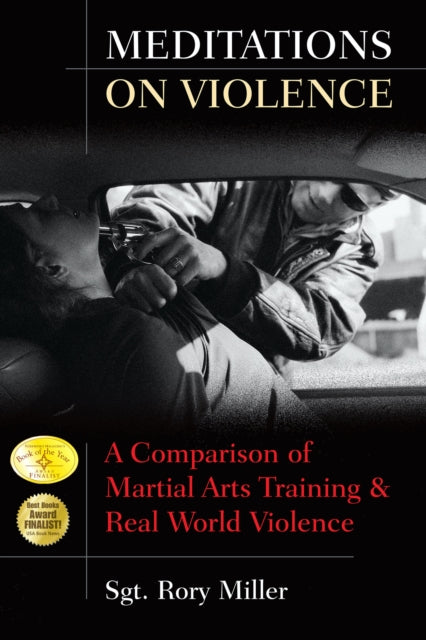
Meditations on Violence: A Comparison of Martial Arts Training and Real World Violence
Meditations on Violence: A Comparison of Martial Arts Training and Real World Violence
💎 Earn 95 Points (£0.95) on this item.
YOU SAVE £5.83
- Condition: Brand new
- UK Delivery times: Usually arrives within 2 - 3 working days
- UK Shipping: Fee starts at £2.39. Subject to product weight & dimension
Bulk ordering. Want 15 or more copies? Get a personalised quote and bigger discounts. Learn more about bulk orders.
Couldn't load pickup availability
- More about Meditations on Violence: A Comparison of Martial Arts Training and Real World Violence
The differences between martial arts and real-world violence are explored by martial artist and veteran correction officer Sgt. Rory Miller, who also discusses how to think critically about violence, evaluate sources of knowledge, and train for violence. He also discusses the pros and cons of modern and ancient martial arts training and gives a unique insight into early Japanese kata as a military training method.
Format: Hardback
Length: 214 pages
Publication date: 19 October 2023
Publisher: YMAA Publication Center
Martial arts training and real-world violence are two distinct aspects that often come into conflict. While martial arts are often praised for their ability to teach self-defense and discipline, it is important to recognize that they are not a panacea for dealing with violence. In this essay, we will explore the differences between martial arts training and real-world violence, and examine how martial artists can best prepare themselves for dealing with violent situations.
Myth vs. Reality:
One of the biggest misconceptions about martial arts is that they can teach students how to defeat any opponent in a fight. This is a myth that is perpetuated by martial arts movies, TV shows, and books. In reality, violence is a complex and unpredictable phenomenon that requires a combination of physical strength, mental toughness, and strategy. Martial arts training can provide students with some basic skills and techniques, but it is not enough to prepare them for the unpredictable nature of real-world violence.
Physical Preparedness:
Martial arts training can certainly improve physical fitness and strength, which can be beneficial in a violent situation. However, physical preparedness alone is not enough to ensure survival. Martial artists need to be aware of their surroundings, anticipate potential threats, and develop the ability to respond quickly and effectively.
Mental Toughness:
Mental toughness is an essential component of dealing with violence. Martial artists need to be able to maintain their composure and focus under pressure, even when faced with extreme stress and fear. They need to be able to think clearly and make rational decisions, even in the heat of the moment.
Strategy and Tactics:
Martial arts training can teach students the principles of strategy and tactics, which can be useful in a violent situation. However, strategy and tactics are only effective if they are applied in a context that is relevant to the specific situation. Martial artists need to be able to adapt their techniques and strategies to the unique circumstances of each violent encounter.
Predators and Dynamics of Violence:
Violence is often perpetrated by individuals who are motivated by a variety of factors, including anger, jealousy, and power. Martial artists need to be aware of the types of predators they may encounter and the dynamics of violence that may occur in a violent situation. They need to be able to recognize the signs of aggression and de-escalate the situation before it escalates into a physical confrontation.
Training for Violence:
Martial arts training can provide students with the skills and techniques they need to defend themselves in a violent situation. However, it is important to recognize that training for violence is not the same as training for sport or competition. Training for violence requires a different mindset and a willingness to use force if necessary.
Modern vs. Ancient Martial Arts:
There are many different types of martial arts, each with its own unique set of techniques and philosophies. Some martial arts are more focused on physical fitness and self-defense, while others are more focused on spiritual development and self-control. Martial artists need to choose a martial art that is appropriate for their goals and interests, and that provides them with the skills and techniques they need to defend themselves in a violent situation.
Self-Defense:
Self-defense is an essential component of martial arts training. Martial artists need to be able to defend themselves against a variety of threats, including physical attacks, sexual assault, and domestic violence. They need to be aware of their own body language and the signals they send to potential attackers, and they need to be able to respond quickly and effectively to any threat.
Aftermath of Violence:
Dealing with the aftermath of violence can be a challenging and emotional experience. Martial artists need to be prepared for the emotional and psychological impact of violence, and they need to have support systems in place to help them cope with the trauma.
Conclusion:
Martial arts training can provide students with some basic skills and techniques that can be useful in a violent situation. However, it is important to recognize that martial arts are not a panacea for dealing with violence. Real-world violence is a complex and unpredictable phenomenon that requires a combination of physical strength, mental toughness, and strategy. Martial artists need to be aware of the myths and misconceptions about martial arts, and they need to train for violence in a way that is relevant to the specific circumstances they may encounter. By developing the skills and mindset necessary to deal with violence, martial artists can increase their chances of survival and protect themselves and others from harm.
Weight: 464g
Dimension: 159 x 237 x 20 (mm)
ISBN-13: 9781594399770
This item can be found in:
UK and International shipping information
UK and International shipping information
UK Delivery and returns information:
- Delivery within 2 - 3 days when ordering in the UK.
- Shipping fee for UK customers from £2.39. Fully tracked shipping service available.
- Returns policy: Return within 30 days of receipt for full refund.
International deliveries:
Shulph Ink now ships to Australia, Belgium, Canada, France, Germany, Ireland, Italy, India, Luxembourg Saudi Arabia, Singapore, Spain, Netherlands, New Zealand, United Arab Emirates, United States of America.
- Delivery times: within 5 - 10 days for international orders.
- Shipping fee: charges vary for overseas orders. Only tracked services are available for most international orders. Some countries have untracked shipping options.
- Customs charges: If ordering to addresses outside the United Kingdom, you may or may not incur additional customs and duties fees during local delivery.