Shulph Ink
Meso and Microplastic Risk Assessment in Marine Environments: New Threats and Challenges
Meso and Microplastic Risk Assessment in Marine Environments: New Threats and Challenges
💎 Earn 508 Points (£5.08) on this item.
YOU SAVE £13.22
- Condition: Brand new
- UK Delivery times: Usually arrives within 2 - 3 working days
- UK Shipping: Fee starts at £2.39. Subject to product weight & dimension
Bulk ordering. Want 15 or more copies? Get a personalised quote and bigger discounts. Learn more about bulk orders.
Couldn't load pickup availability
- More about Meso and Microplastic Risk Assessment in Marine Environments: New Threats and Challenges
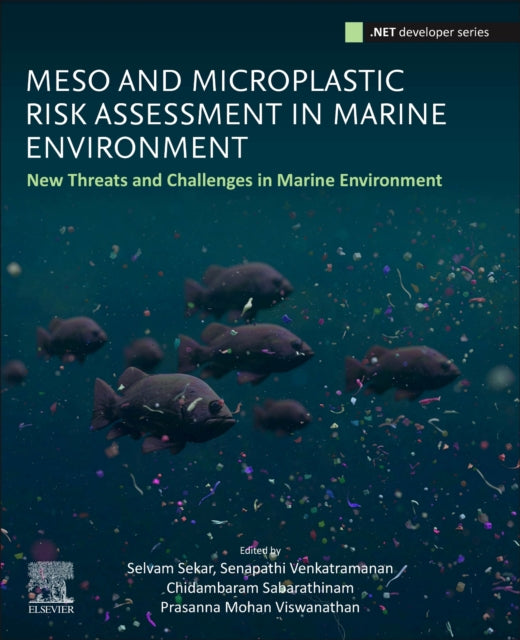
Meso and Microplastic Risk Assessment in Marine Environment provides a comprehensive overview of microplastic contamination in the marine environment, addressing its origin, occurrences, distribution, and methodologies for dealing with it. It also discusses the global case study of microplastic separation and its impact on human health and the surrounding environment, making it an essential resource for aquatic ecologists, oceanographers, toxicologists, and marine biologists.
Format: Paperback / softback
Length: 400 pages
Publication date: 14 June 2024
Publisher: Elsevier - Health Sciences Division
Meso and Microplastic Risk Assessment in Marine Environment: New Threat and Challenges in Marine Environment is an interdisciplinary approach that provides essential techniques and management strategies for addressing microplastic contamination in various disciplines, including environmental science, fisheries, oceanography, geology, chemistry, biology, and ocean science. The book covers a comprehensive overview of microplastic in the marine environment, including its origin, occurrences, distribution, and various methodologies for dealing with microplastics. It also presents a global case study of microplastic separation using recent techniques and discusses the impact of microplastics on human health and the surrounding environment.
The book is a significant contribution to the field of microplastic pollution mitigation in environmental science, as it offers a thorough accounting of the effects of pollutants on the environment, marine organisms, and the public health implications. It is relevant for aquatic ecologists, oceanographers, toxicologists, and marine biologists, as it provides valuable insights into the mechanisms of microplastic pollution and the development of effective mitigation strategies.
The book begins by providing an overview of microplastic in the marine environment, including its definition, composition, and sources. It then discusses the various methodologies available for microplastic separation, including manual sorting, chemical treatment, and physical separation. The authors highlight the challenges associated with each method and provide examples of successful applications in different regions.
The global case study of microplastic separation is a highlight of the book. The authors present a detailed analysis of the techniques used in recent studies to separate microplastics from marine environments, including beach cleaning, water filtration, and ocean sampling. They discuss the effectiveness of these methods in reducing microplastic concentrations and the potential for long-term sustainability.
The impact of microplastics on human health and the surrounding environment is a critical aspect of the book. The authors provide a comprehensive review of the literature on the health effects of microplastics, including ingestion, inhalation, and dermal exposure. They highlight the potential risks associated with microplastics, such as toxicity, inflammation, and immune system disruption. They also discuss the potential for microplastics to transfer pollutants and toxins to marine organisms, which can have negative impacts on their health and reproduction.
The book also discusses the potential for microplastics to affect marine ecosystems. The authors highlight the potential for microplastics to disrupt food webs, alter nutrient cycling, and affect the behavior of marine organisms. They provide examples of studies that have shown the negative impacts of microplastics on marine species, such as sea turtles, fish, and marine mammals.
In addition to the scientific aspects of microplastic pollution, the book also addresses the social and economic implications of microplastic pollution. The authors highlight the economic costs associated with microplastic pollution, including the costs of cleaning up beaches and waterways, the costs of replacing damaged equipment, and the costs of lost productivity. They also discuss the social impacts of microplastic pollution, such as the impact on tourism and the loss of cultural heritage.
To address microplastic pollution, the book provides a range of recommendations. These recommendations include reducing the use of single-use plastics, promoting recycling, and implementing effective waste management practices. The authors also highlight the importance of research and development in the field of microplastic pollution mitigation, including the development of new technologies and the testing of existing technologies.
In conclusion, Meso and Microplastic Risk Assessment in Marine Environment: New Threat and Challenges in Marine Environment is an important book that provides essential techniques and management strategies for addressing microplastic contamination in various disciplines. The book covers a comprehensive overview of microplastic in the marine environment, including its origin, occurrences, distribution, and various methodologies for dealing with microplastics. It also presents a global case study of microplastic separation using recent techniques and discusses the impact of microplastics on human health and the surrounding environment. The book is relevant for aquatic ecologists, oceanographers, toxicologists, and marine biologists, as it provides valuable insights into the mechanisms of microplastic pollution and the development of effective mitigation strategies. By reducing the use of single-use plastics, promoting recycling, and implementing effective waste management practices, we can help to mitigate the negative impacts of microplastic pollution on our environment and our health.
Weight: 862g
Dimension: 192 x 237 x 23 (mm)
ISBN-13: 9780323909808
UK and International shipping information
UK and International shipping information
UK Delivery and returns information:
- Delivery within 2 - 3 days when ordering in the UK.
- Shipping fee for UK customers from £2.39. Fully tracked shipping service available.
- Returns policy: Return within 30 days of receipt for full refund.
International deliveries:
Shulph Ink now ships to Australia, Belgium, Canada, France, Germany, Ireland, Italy, India, Luxembourg Saudi Arabia, Singapore, Spain, Netherlands, New Zealand, United Arab Emirates, United States of America.
- Delivery times: within 5 - 10 days for international orders.
- Shipping fee: charges vary for overseas orders. Only tracked services are available for most international orders. Some countries have untracked shipping options.
- Customs charges: If ordering to addresses outside the United Kingdom, you may or may not incur additional customs and duties fees during local delivery.