Shulph Ink
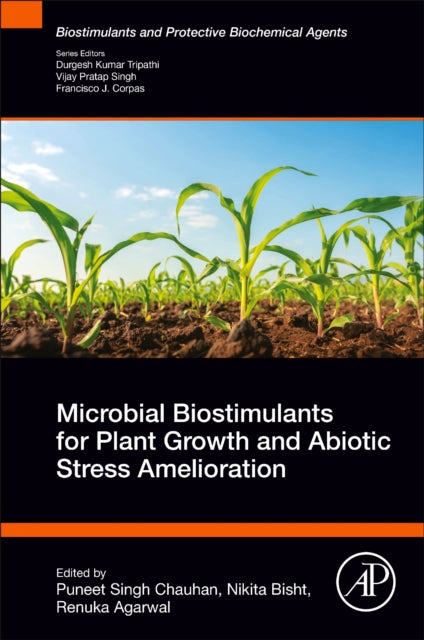
Microbial Biostimulants for Plant Growth and Abiotic Stress Amelioration
Microbial Biostimulants for Plant Growth and Abiotic Stress Amelioration
💎 Earn 680 Points (£6.80) on this item.
YOU SAVE £18.99
- Condition: Brand new
- UK Delivery times: Usually arrives within 2 - 3 working days
- UK Shipping: Fee starts at £2.39. Subject to product weight & dimension
Bulk ordering. Want 15 or more copies? Get a personalised quote and bigger discounts. Learn more about bulk orders.
Couldn't load pickup availability
- More about Microbial Biostimulants for Plant Growth and Abiotic Stress Amelioration
Microbial biostimulants are essential for plant growth and development under abiotic stress, stimulating natural processes to enhance nutrient uptake, efficiency, tolerance, and crop quality. They can also improve nutrition and serve as plant protectors.
Format: Paperback / softback
Length: 506 pages
Publication date: 28 June 2024
Publisher: Elsevier Science Publishing Co Inc
Microbial biostimulants play a crucial role in promoting plant growth and mitigating the adverse effects of abiotic stress. The term "biostimulants" encompasses a wide range of substances and microorganisms that stimulate life or promote favorable plant responses. These biostimulants enhance natural processes to improve nutrient uptake, efficiency, tolerance to abiotic stress, and crop quality. Many biostimulants improve nutrition, regardless of their own nutrient contents. Additionally, recent advancements in microbe-based biostimulants have made them valuable tools for protecting plants under various adverse conditions.
One of the primary mechanisms by which biostimulants promote plant growth is by stimulating the production of plant hormones. Plant hormones are essential for regulating various plant processes, including growth, development, and stress response. Biostimulants can stimulate the production of these hormones, leading to increased growth and improved plant health. For example, auxins, which are produced by plants, can promote cell division and elongation, while gibberellins can promote seed germination and flowering.
Biostimulants can also improve nutrient uptake by plants. They can increase the availability of nutrients in the soil, making them more accessible to plants. This can be particularly beneficial in areas where soil nutrients are limited or depleted. Biostimulants can also improve the efficiency of nutrient uptake by plants, reducing the amount of nutrients that are lost through leaching or runoff.
In addition to improving nutrient uptake, biostimulants can also improve tolerance to abiotic stress. Abiotic stress includes factors such as drought, heat, cold, and salinity. These stressors can cause damage to plants, leading to reduced growth and productivity. Biostimulants can help plants to tolerate these stressors by increasing their resistance to them. For example, some biostimulants can increase the production of antioxidants, which can protect plants from oxidative damage caused by stress.
Microbe-based biostimulants have emerged as important plant protectors under a range of adverse conditions. These biostimulants are derived from microorganisms, such as bacteria, fungi, and algae. They can be applied to plants either directly or indirectly. Direct application involves applying the biostimulant directly to the plant's roots or leaves, while indirect application involves applying the biostimulant to the soil.
Microbe-based biostimulants can improve plant growth by stimulating the growth of beneficial microorganisms in the soil. These microorganisms can help to break down organic matter, improve soil structure, and increase the availability of nutrients to plants. They can also help to suppress the growth of harmful microorganisms, such as pathogens and pests.
In addition to their direct effects on plant growth, microbe-based biostimulants can also have indirect effects on plant health. For example, they can improve the quality of the soil, which can in turn improve the quality of the plants that are grown in it. They can also help to reduce the amount of water and fertilizer that are used in agriculture, which can help to reduce the environmental impact of agriculture.
However, the use of biostimulants can also have some potential drawbacks. For example, some biostimulants can be toxic to plants if they are used in excess. Additionally, some biostimulants may not be effective in all soil types or under all environmental conditions. It is important to carefully select and use biostimulants to ensure that they are effective and safe for use.
In conclusion, microbial biostimulants play a crucial role in promoting plant growth and mitigating the adverse effects of abiotic stress. They can stimulate the production of plant hormones, improve nutrient uptake, improve tolerance to abiotic stress, and have indirect effects on plant health. Microbe-based biostimulants have emerged as important plant protectors under a range of adverse conditions. However, it is important to carefully select and use biostimulants to ensure that they are effective and safe for use.
Weight: 450g
Dimension: 235 x 191 (mm)
ISBN-13: 9780443133183
This item can be found in:
UK and International shipping information
UK and International shipping information
UK Delivery and returns information:
- Delivery within 2 - 3 days when ordering in the UK.
- Shipping fee for UK customers from £2.39. Fully tracked shipping service available.
- Returns policy: Return within 30 days of receipt for full refund.
International deliveries:
Shulph Ink now ships to Australia, Belgium, Canada, France, Germany, Ireland, Italy, India, Luxembourg Saudi Arabia, Singapore, Spain, Netherlands, New Zealand, United Arab Emirates, United States of America.
- Delivery times: within 5 - 10 days for international orders.
- Shipping fee: charges vary for overseas orders. Only tracked services are available for most international orders. Some countries have untracked shipping options.
- Customs charges: If ordering to addresses outside the United Kingdom, you may or may not incur additional customs and duties fees during local delivery.