Shulph Ink
Microbial Resource Technologies for Sustainable Development
Microbial Resource Technologies for Sustainable Development
💎 Earn 789 Points (£7.89) on this item.
YOU SAVE £22.05
- Condition: Brand new
- UK Delivery times: Usually arrives within 2 - 3 working days
- UK Shipping: Fee starts at £2.39. Subject to product weight & dimension
Bulk ordering. Want 15 or more copies? Get a personalised quote and bigger discounts. Learn more about bulk orders.
Couldn't load pickup availability
- More about Microbial Resource Technologies for Sustainable Development
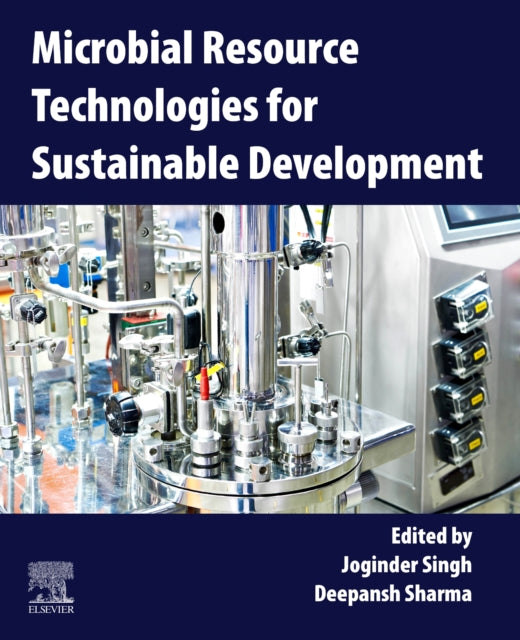
Microbial Resource Technologies for Sustainable Development is a book that discusses the production and uses of microbial cells and metabolites and reviews microbial resource technologies for sustainable solutions in managing microbial resources. It covers topics such as marine microbial technologies, soil microbes, endophytic fungal communities, termite microbiota, biomethane production, food additives, nanoparticles, fungal cellulases, and biofuel and acetic acid production.
Format: Paperback / softback
Length: 412 pages
Publication date: 01 May 2022
Publisher: Elsevier - Health Sciences Division
Microbial Resource Technologies for Sustainable Development delves into the creation and applications of microbial cells and metabolites, while also examining the microbial resource technologies that will shape future endeavors in managing these valuable resources. The book encompasses the latest advancements and scientific demonstrations in the realm of microbial technologies, specifically focusing on their effective utilization in achieving agricultural and environmental sustainability. Within its pages, readers will find a comprehensive exploration of various topics, including:
Recent Applications and Exploration of Marine Microbial Technologies: This section delves into the development of innovative marine microbial technologies for the sustainable exploitation of marine resources. It covers topics such as the isolation and characterization of marine microorganisms, the exploration of their metabolic pathways, and the application of these technologies in areas such as marine bioremediation, aquaculture, and marine food production.
Soil Microbes as Biopolymers for Enhancing Mechanical Properties of Soil: Recognizing the crucial role of soil microbes in maintaining soil health and fertility, this section explores the use of soil microbes as biopolymers to enhance the mechanical properties of soil. It discusses the production of biofilms, the formation of microbial aggregates, and the application of these biopolymers in soil remediation, soil stabilization, and crop growth promotion.
Rhizosphere Microbiome for Enhancement of Cereal Crops: The rhizosphere, the region surrounding plant roots, plays a vital role in plant growth and development. This section examines the microbiome of the rhizosphere and its potential to enhance cereal crops' productivity, resilience, and nutrient uptake. It explores the use of rhizobacteria, mycorrhizal fungi, and other beneficial microorganisms to improve crop growth and mitigate environmental stress.
Endophytic Fungal Communities in Crops Grown under Different Farming Systems: Endophytic fungi are microorganisms that live within plant tissues without causing any harm. This section explores the role of endophytic fungi in crops grown under different farming systems, including organic, conventional, and precision agriculture. It discusses the beneficial effects of these fungi on plant growth, disease resistance, and nutrient uptake, as well as their potential for sustainable agriculture.
Microbiota of Termite for Lignocellulose Breakdown: Termites are highly efficient cellulose decomposers, and their microbiota plays a crucial role in their ability to digest lignocellulose. This section explores the microbiota of termites and their potential for the development of sustainable biofuel and acetic acid production technologies. It discusses the isolation and characterization of termite enzymes, as well as the optimization of their production processes for commercial applications.
Microbial Consortium Technologies to Produce Biomethane from Waste Effluents: Waste management is a significant global challenge, and the production of biogas from waste effluents is a promising solution. This section discusses the development of microbial consortium technologies to produce biomethane from waste effluents. It covers topics such as waste pretreatment, anaerobic digestion, and biogas upgrading, with an emphasis on the commercial exploitation of such microbial technologies.
Microbial Technologies for Sustainable Food Additives Production: The growing demand for natural and sustainable food additives has led to the development of microbial technologies. This section explores the production of food additives using microorganisms, including probiotics, enzymes, and antimicrobial compounds. It discusses the advantages of these additives in improving food quality, safety, and shelf life, as well as their potential for sustainable food production.
Biological Synthesis of Nanoparticles: Nanoparticles have gained significant attention in recent years due to their unique properties and potential applications. This section explores the biological synthesis of nanoparticles using microorganisms, including bacteria, fungi, and plants. It discusses the synthesis of nanoparticles with specific properties, such as size, shape, and surface chemistry, and their potential applications in various industries, including medicine, agriculture, and environmental remediation.
Fungal Cellulases and Efficient Biofuel and Acetic Acid Production Using Waste Residues: Waste management is another critical area of focus, and the production of biofuels and acetic acid from waste residues is a promising solution. This section discusses the use of fungal cellulases in the breakdown of lignocellulose, a major component of waste materials. It explores the production of biofuels from waste residues, such as agricultural waste, municipal solid waste, and industrial waste, and the potential of acetic acid production for various applications.
Commercial Exploitation of Such Microbial Technologies: Recognizing the commercial potential of microbial technologies, this section discusses the challenges and opportunities associated with their commercial exploitation. It covers topics such as intellectual property rights, regulatory frameworks, and business models for sustainable microbial technology development and deployment.
In conclusion, Microbial Resource Technologies for Sustainable Development provides a comprehensive and up-to-date overview of the latest developments in microbial resource technologies. By exploring the production and applications of microbial cells and metabolites, as well as the associated microbial resource technologies, the book offers valuable insights into the potential of these technologies in achieving agricultural and environmental sustainability. The topics covered in the book are diverse and relevant to a wide range of stakeholders, including researchers, policymakers, industry professionals, and individuals interested in sustainable development. As we continue to face the challenges of resource management and environmental degradation, the utilization of microbial technologies holds great promise for creating a more sustainable and resilient future.
Dimension: 235 x 191 (mm)
ISBN-13: 9780323905909
This item can be found in:
UK and International shipping information
UK and International shipping information
UK Delivery and returns information:
- Delivery within 2 - 3 days when ordering in the UK.
- Shipping fee for UK customers from £2.39. Fully tracked shipping service available.
- Returns policy: Return within 30 days of receipt for full refund.
International deliveries:
Shulph Ink now ships to Australia, Belgium, Canada, France, Germany, Ireland, Italy, India, Luxembourg Saudi Arabia, Singapore, Spain, Netherlands, New Zealand, United Arab Emirates, United States of America.
- Delivery times: within 5 - 10 days for international orders.
- Shipping fee: charges vary for overseas orders. Only tracked services are available for most international orders. Some countries have untracked shipping options.
- Customs charges: If ordering to addresses outside the United Kingdom, you may or may not incur additional customs and duties fees during local delivery.