Shulph Ink
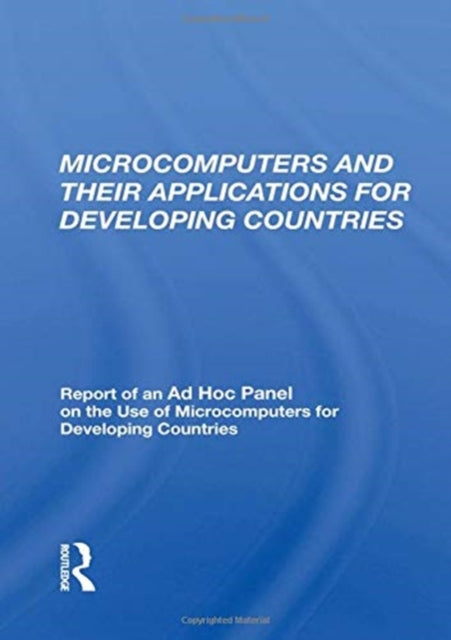
Microcomputers and their Applications for Developing Countries: Report of an Ad Hoc Panel on the Use of Microcomputers for Developing Countries
Microcomputers and their Applications for Developing Countries: Report of an Ad Hoc Panel on the Use of Microcomputers for Developing Countries
💎 Earn 207 Points (£2.07) on this item.
We can order this item for you. Delivery usually takes about 4 to 6 weeks.
This item is not held in our immediate stock. We will order it for you after checkout.
Estimated delivery: About 4 to 6 weeks
YOU SAVE £2.47
- Condition: Brand new
- UK Delivery times: Usually arrives within 2 - 3 working days
- UK Shipping: Fee starts at £2.39. Subject to product weight & dimension
Bulk ordering. Want 15 or more copies? Get a personalised quote and bigger discounts. Learn more about bulk orders.
Couldn't load pickup availability
- More about Microcomputers and their Applications for Developing Countries: Report of an Ad Hoc Panel on the Use of Microcomputers for Developing Countries
This book assesses the need for microcomputers in developing countries and provides an overview of their applications in agriculture, health, energy, and municipal management, while also addressing policy issues associated with their use and abuse.
Format: Paperback / softback
Length: 238 pages
Publication date: 29 July 2022
Publisher: Taylor & Francis Ltd
This book is a comprehensive assessment of the need for microcomputers in developing countries, providing a thorough overview of their applications in various sectors such as agriculture, health, energy, and municipal management. It also delves into the critical policy issues surrounding the use and abuse of microcomputers.
The book begins by examining the potential benefits of microcomputers in developing countries, including their ability to improve efficiency, reduce costs, and enhance access to information and services. It then explores the challenges faced by these countries in implementing microcomputer systems, such as limited infrastructure, lack of trained personnel, and high costs of hardware and software.
In the subsequent chapters, the book provides detailed case studies of microcomputer applications in different sectors. It showcases how microcomputers are being used to improve crop yields, manage healthcare facilities, generate renewable energy, and manage municipal infrastructure. The case studies also highlight the successes and failures of microcomputer projects and the lessons learned from them.
The book also addresses the major policy issues associated with the use and abuse of microcomputers. It discusses the role of governments, international organizations, and private sector in promoting the use of microcomputers and ensuring their ethical and sustainable use. It also examines the potential risks and threats posed by the misuse of microcomputers, such as cybercrime, data privacy, and intellectual property theft.
Overall, this book is an essential resource for policymakers, researchers, and practitioners interested in understanding the potential of microcomputers in developing countries and the challenges and opportunities they present. It provides a wealth of information and insights that can help shape the future of microcomputer adoption and usage in these regions.
Introduction:
Microcomputers have become increasingly important in developing countries as a tool for improving efficiency, reducing costs, and enhancing access to information and services. However, the implementation of microcomputer systems in these countries faces several challenges, including limited infrastructure, lack of trained personnel, and high costs of hardware and software. This book aims to provide a comprehensive assessment of the need for microcomputers in developing countries, as well as an overview of their applications in various sectors.
Benefits of Microcomputers in Developing Countries:
Microcomputers offer a range of benefits in developing countries, including:
- Improved Efficiency: Microcomputers can automate repetitive tasks and improve the efficiency of businesses and organizations. This can lead to cost savings and increased productivity.
- Reduced Costs: Microcomputers can reduce the costs of operations by eliminating the need for expensive hardware and software. They can also reduce the costs of training and maintenance.
- Enhanced Access to Information: Microcomputers can provide access to information and resources that were previously unavailable. This can help improve decision-making and promote economic development.
- Improved Health Care: Microcomputers can be used to improve the quality of healthcare services by providing access to medical records, diagnostic tools, and training materials.
- Renewable Energy Generation: Microcomputers can be used to generate renewable energy, such as solar and wind power, which can help reduce dependence on fossil fuels and promote sustainable development.
- Municipal Management: Microcomputers can be used to manage municipal infrastructure, such as water and waste management, transportation, and public services.
Challenges Faced by Developing Countries in Implementing Microcomputer Systems:
Despite the potential benefits of microcomputers, developing countries face several challenges in implementing microcomputer systems. These challenges include:
- Limited Infrastructure: Many developing countries lack basic infrastructure, such as electricity, telecommunications, and transportation. This can make it difficult to implement microcomputer systems.
- Lack of Trained Personnel: There is a shortage of trained personnel in developing countries who can operate and maintain microcomputer systems. This can lead to high costs and reduced productivity.
- High Costs of Hardware and Software: Microcomputer hardware and software are often expensive, making it difficult for developing countries to afford them. This can limit the scope and scale of microcomputer projects.
- Security Risks: Microcomputer systems are vulnerable to security risks, such as cybercrime, data privacy, and intellectual property theft. This can pose a threat to the security and stability of developing countries.
- Policy Issues: There are several policy issues associated with the use and abuse of microcomputers, such as intellectual property rights, data privacy, and cybercrime. These issues can limit the development and adoption of microcomputer systems in developing countries.
Case Studies of Microcomputer Applications in Developing Countries:
To better understand the potential of microcomputers in developing countries, this book provides detailed case studies of microcomputer applications in different sectors. These case studies showcase how microcomputers are being used to improve crop yields, manage healthcare facilities, generate renewable energy, and manage municipal infrastructure. The case studies also highlight the successes and failures of microcomputer projects and the lessons learned from them.
- Crop Yields: Microcomputers are being used to improve crop yields by providing farmers with real-time information on weather conditions, soil quality, and pest infestations. This can help farmers make informed decisions about planting, fertilization, and pest control.
- Healthcare Facilities: Microcomputers are being used to manage healthcare facilities by providing access to medical records, diagnostic tools, and training materials. This can help improve the quality of healthcare services and reduce the costs of healthcare.
- Renewable Energy Generation: Microcomputers are being used to generate renewable energy, such as solar and wind power, which can help reduce dependence on fossil fuels and promote sustainable development.
- Municipal Infrastructure: Microcomputers are being used to manage municipal infrastructure, such as water and waste management, transportation, and public services. This can help improve the quality of life for citizens and promote economic development.
Policy Issues Associated with the Use and Abuse of Microcomputers:
The use and abuse of microcomputers pose several policy issues that need to be addressed. These issues include:
- Intellectual Property Rights: Intellectual property rights are important for promoting the development and adoption of microcomputer systems. However, there are concerns that intellectual property rights may be violated in developing countries, which can limit the development and adoption of microcomputer systems.
- Data Privacy: Data privacy is important for protecting the privacy of individuals and organizations. However, there are concerns that data privacy may be violated in developing countries, which can limit the development and adoption of microcomputer systems.
- Cybercrime: Cybercrime is a growing threat to the security and stability of developing countries. There are concerns that cybercrime may be used to target microcomputer systems and steal sensitive information.
- Intellectual Property Rights: Intellectual property rights are important for promoting the development and adoption of microcomputer systems. However, there are concerns that intellectual property rights may be violated in developing countries, which can limit the development and adoption of microcomputer systems.
- Data Privacy: Data privacy is important for protecting the privacy of individuals and organizations. However, there are concerns that data privacy may be violated in developing countries, which can limit the development and adoption of microcomputer systems.
- Cybercrime: Cybercrime is a growing threat to the security and stability of developing countries. There are concerns that cybercrime may be used to target microcomputer systems and steal sensitive information.
Conclusion:
In conclusion, this book provides a comprehensive assessment of the need for microcomputers in developing countries, as well as an overview of their applications in various sectors. It also addresses the major policy issues associated with the use and abuse of microcomputers. By understanding the potential benefits and challenges of microcomputers, policymakers, researchers, and practitioners can work together to promote the development and adoption of microcomputer systems in developing countries. This can help improve the quality of life for citizens and promote economic development.
Weight: 440g
ISBN-13: 9780367160678
This item can be found in:
UK and International shipping information
UK and International shipping information
UK Delivery and returns information:
- Delivery within 2 - 3 days when ordering in the UK.
- Shipping fee for UK customers from £2.39. Fully tracked shipping service available.
- Returns policy: Return within 30 days of receipt for full refund.
International deliveries:
Shulph Ink now ships to Australia, Belgium, Canada, France, Germany, Ireland, Italy, India, Luxembourg Saudi Arabia, Singapore, Spain, Netherlands, New Zealand, United Arab Emirates, United States of America.
- Delivery times: within 5 - 10 days for international orders.
- Shipping fee: charges vary for overseas orders. Only tracked services are available for most international orders. Some countries have untracked shipping options.
- Customs charges: If ordering to addresses outside the United Kingdom, you may or may not incur additional customs and duties fees during local delivery.