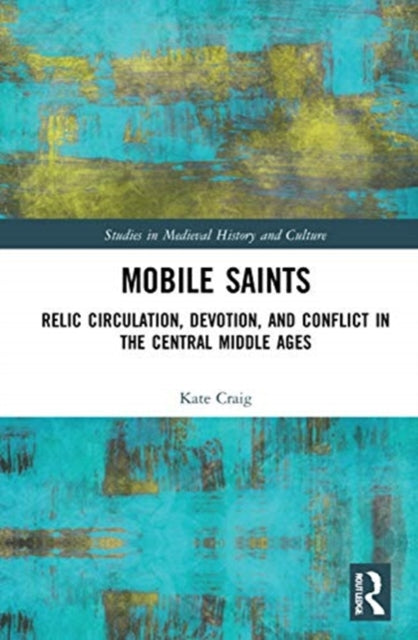
Kate M. Craig
Mobile Saints: Relic Circulation, Devotion, and Conflict in the Central Middle Ages
Mobile Saints: Relic Circulation, Devotion, and Conflict in the Central Middle Ages
💎 Earn 811 Points (£8.11) on this item.
We can order this item for you. Delivery usually takes about 4 to 6 weeks.
This item is not held in our immediate stock. We will order it for you after checkout.
Estimated delivery: About 4 to 6 weeks
YOU SAVE £9.63
- Condition: Brand new
- UK Delivery times: Usually arrives within 2 - 3 working days
- UK Shipping: Fee starts at £2.39. Subject to product weight & dimension
Bulk ordering. Want 15 or more copies? Get a personalised quote and bigger discounts. Learn more about bulk orders.
Couldn't load pickup availability
- More about Mobile Saints: Relic Circulation, Devotion, and Conflict in the Central Middle Ages
Mobile Saints explores the practice of removing saints relics from rural monasteries in the central medieval period, revealing the power of these movements to transform objects, people, and landscapes. It emphasizes the complexities of the cult of relics and its participants, and speaks to broader questions about the role of movement in negotiating the relationships between sacred objects, space, and people.
Format: Hardback
Length: 208 pages
Publication date: 22 April 2021
Publisher: Taylor & Francis Ltd
Mobile Saints delves into the captivating practice of extracting saints' relics from rural monasteries during the central medieval era (circa 950–1150 CE), embarking on out-and-back journeys, particularly within northern France and the Low Countries. While the permanent relocations of relics, known as translations, have long been recognized for their political and cultural significance, the temporary circulations of these sacred objects have received relatively limited attention. However, it is important to acknowledge that the act of removing a medieval relic from its "home," even for a brief period, held immense transformative power. This study employs hagiographical and liturgical texts to explore the multifaceted opportunities and tensions inherent in these relic circulations. By contextualizing these effects within the discourses and practices surrounding traveling relics, Mobile Saints emphasizes the complexities of the central medieval cult of relics and its participants, while also shedding light on broader questions about the role of movement in navigating the intricate relationships between sacred objects, spatial arrangements, and human beings.
Relics played a central role in the religious practices of the Middle Ages, and their circulation was a significant aspect of this practice. The extraction of relics from rural monasteries and their transport to other locations was a common practice, particularly in northern France and the Low Countries. The reasons for this practice varied, but one of the primary motivations was to increase the veneration and power of the saints associated with the relics. Relics were believed to possess supernatural powers and could be used to heal, protect, and provide blessings to those who possessed them.
The circulation of relics also had political implications. The possession of powerful relics could enhance the prestige and influence of a monastery or religious order, and this could be used to secure land, resources, and political support. Monasteries and religious orders often competed with each other for the possession of valuable relics, and this competition could lead to tensions and conflicts.
In addition to their religious and political significance, relics also had cultural implications. They were often used as objects of veneration and pilgrimage, and their presence could attract visitors and tourists to a particular location. The circulation of relics could also contribute to the development of local economies, as visitors would spend money on food, accommodation, and other services while traveling to see the relics.
However, the circulation of relics was not without its challenges. The transport of relics could be dangerous and difficult, and they were often vulnerable to theft, damage, and loss. Monasteries and religious orders had to invest significant resources in protecting and preserving their relics, and this could lead to financial strain and tensions within the community.
Despite these challenges, the circulation of relics continued to be a significant practice in the Middle Ages. Relics were believed to possess the power to heal, protect, and provide blessings to those who possessed them, and their presence could enhance the prestige and influence of a monastery or religious order. The practice also had cultural and economic implications, and it played a role in shaping the religious and social landscape of the Middle Ages.
Mobile Saints is a valuable contribution to the study of the circulation of relics in the Middle Ages. The book explores the practice of extracting saints' relics from rural monasteries and their transport to other locations, particularly within northern France and the Low Countries. It provides a detailed analysis of the motivations, opportunities, and tensions associated with this practice, and it sheds light on the complexities of the central medieval cult of relics and its participants.
One of the key strengths of Mobile Saints is its use of a wide range of sources. The book draws on hagiographical and liturgical texts, as well as other historical and cultural sources, to provide a comprehensive understanding of the practice of relic circulation. This allows the author to explore the multifaceted nature of the practice and to consider the various perspectives and experiences of those involved in it.
Another strength of Mobile Saints is its attention to the cultural and political implications of relic circulation. The book recognizes that the circulation of relics was not just a religious practice but also a political and cultural one. It explores how the possession of powerful relics could enhance the prestige and influence of a monastery or religious order, and how this could be used to secure land, resources, and political support. It also considers how the circulation of relics could contribute to the development of local economies and how it shaped the religious and social landscape of the Middle Ages.
Mobile Saints also highlights the challenges and tensions associated with relic circulation. The book explores how the transport of relics could be dangerous and difficult, and how they were often vulnerable to theft, damage, and loss. It also considers how the practice could provoke public displays of competition, mockery, and resistance, particularly from those who did not share the same religious beliefs or practices.
Overall, Mobile Saints is a valuable contribution to the study of the circulation of relics in the Middle Ages. The book provides a detailed analysis of the practice, its motivations, opportunities, and tensions, and it sheds light on the complexities of the central medieval cult of relics and its participants. It is a must-read for anyone interested in the history, culture, and religion of the Middle Ages.
Weight: 486g
Dimension: 160 x 241 x 22 (mm)
ISBN-13: 9780367705619
UK and International shipping information
UK and International shipping information
UK Delivery and returns information:
- Delivery within 2 - 3 days when ordering in the UK.
- Shipping fee for UK customers from £2.39. Fully tracked shipping service available.
- Returns policy: Return within 30 days of receipt for full refund.
International deliveries:
Shulph Ink now ships to Australia, Belgium, Canada, France, Germany, Ireland, Italy, India, Luxembourg Saudi Arabia, Singapore, Spain, Netherlands, New Zealand, United Arab Emirates, United States of America.
- Delivery times: within 5 - 10 days for international orders.
- Shipping fee: charges vary for overseas orders. Only tracked services are available for most international orders. Some countries have untracked shipping options.
- Customs charges: If ordering to addresses outside the United Kingdom, you may or may not incur additional customs and duties fees during local delivery.