Balint Varga
Monumental Nation: Magyar Nationalism and Symbolic Politics in Fin-de-siecle Hungary
Monumental Nation: Magyar Nationalism and Symbolic Politics in Fin-de-siecle Hungary
💎 Earn 119 Points (£1.19) on this item.
We can order this item for you. Delivery usually takes about 4 to 6 weeks.
This item is not held in our immediate stock. We will order it for you after checkout.
Estimated delivery: About 4 to 6 weeks
YOU SAVE £4.04
- Condition: Brand new
- UK Delivery times: Usually arrives within 2 - 3 working days
- UK Shipping: Fee starts at £2.39. Subject to product weight & dimension
Bulk ordering. Want 15 or more copies? Get a personalised quote and bigger discounts. Learn more about bulk orders.
Couldn't load pickup availability
- More about Monumental Nation: Magyar Nationalism and Symbolic Politics in Fin-de-siecle Hungary
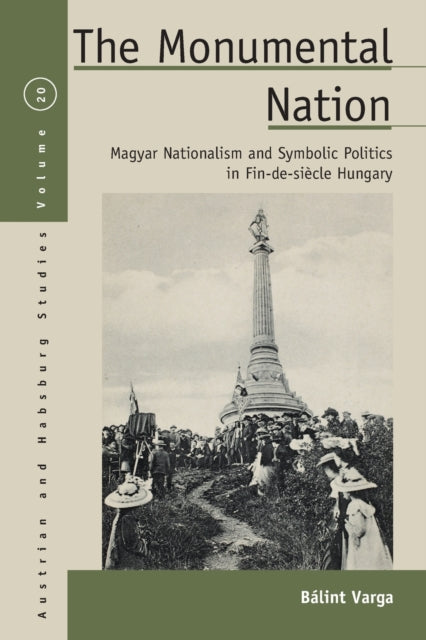
Habsburg Hungary tried to impose a unified national identity on its diverse populations by building large monuments commemorating the medieval conquest of the Carpathian Basin. This study reveals that the plan provoked resistance and hostility among provincial Hungarians, reframing the narrative of nineteenth-century nationalism.
Format: Paperback / softback
Length: 300 pages
Publication date: 07 November 2019
Publisher: Berghahn Books
From the 1860s onwards, the Habsburg Hungary embarked on a grand project aimed at imposing a unified national identity on its diverse populations. In one of the more eccentric episodes of this "Magyarization," massive monuments were erected near small towns, commemorating the medieval conquest of the Carpathian Basin. This meticulously researched study delves into the troubled history of this plan, which, rather than fostering national pride, sparked resistance and even hostility among provincial Hungarians. Author Bálint Varga, in his insightful work, challenges the traditional narrative of nineteenth-century nationalism, unveiling the intricate interplay between local and national memories.
The Habsburg rulers in Hungary sought to impose a unified national identity on their diverse populations from the 1860s onwards. One of the more eccentric aspects of this endeavor was the construction of large monuments near small towns, commemorating the medieval conquest of the Carpathian Basin. The idea was that this moment marked the birth of the Hungarian nation. However, this plan encountered significant resistance and hostility from provincial Hungarians.
Author Bálint Varga's study is a detailed account of the troubled history of this plan. He meticulously researched the subject, providing a comprehensive analysis of the factors that contributed to its failure. Varga demonstrates that the Magyarization project did not cultivate national pride but rather provoked resistance and hostility among provincial Hungarians. The study reframes the narrative of nineteenth-century nationalism, highlighting the complex relationship between local and national memories.
One of the key findings of Varga's study is that the Magyarization project was heavily influenced by the political and cultural context of the time. The Habsburg rulers sought to centralize power and promote a sense of unity among their diverse subjects. However, the local populations had their own distinct identities and traditions, which they were unwilling to abandon. The construction of these monuments, which were often seen as symbols of foreign domination, further alienated the provincial Hungarians.
Furthermore, Varga argues that the Magyarization project was also influenced by the broader European context of the nineteenth century. The rise of nationalism and the desire for self-determination were sweeping across Europe, and the Habsburg rulers were keen to assert their authority and maintain their grip on power. However, their attempts to impose a unified national identity on Hungary were met with resistance from regional and ethnic groups, who sought to preserve their own cultural heritage and identity.
The Magyarization project also had economic implications. The construction of these monuments required significant resources and manpower, which could have been better allocated to other development projects. Moreover, the project created tensions between different regions of Hungary, as some areas were favored over others in terms of infrastructure and investment.
In conclusion, Bálint Varga's study provides a valuable insight into the troubled history of the Magyarization project in nineteenth-century Hungary. It challenges the traditional narrative of nineteenth-century nationalism and highlights the complex relationship between local and national memories. The project's failure to cultivate national pride and its economic and political implications demonstrate the challenges faced by the Habsburg rulers in imposing a unified national identity on their diverse populations.
Weight: 456g
Dimension: 152 x 229 x 19 (mm)
ISBN-13: 9781789205190
UK and International shipping information
UK and International shipping information
UK Delivery and returns information:
- Delivery within 2 - 3 days when ordering in the UK.
- Shipping fee for UK customers from £2.39. Fully tracked shipping service available.
- Returns policy: Return within 30 days of receipt for full refund.
International deliveries:
Shulph Ink now ships to Australia, Belgium, Canada, France, Germany, Ireland, Italy, India, Luxembourg Saudi Arabia, Singapore, Spain, Netherlands, New Zealand, United Arab Emirates, United States of America.
- Delivery times: within 5 - 10 days for international orders.
- Shipping fee: charges vary for overseas orders. Only tracked services are available for most international orders. Some countries have untracked shipping options.
- Customs charges: If ordering to addresses outside the United Kingdom, you may or may not incur additional customs and duties fees during local delivery.