Lisa J. Amstutz
Mountains
Mountains
YOU SAVE £1.61
- Condition: Brand new
- UK Delivery times: Usually arrives within 2 - 3 working days
- UK Shipping: Fee starts at £3.89. Subject to product weight & dimension
Bulk ordering. Want 15 or more copies? Get a personalised quote and bigger discounts. Learn more about bulk orders.
Couldn't load pickup availability
- More about Mountains
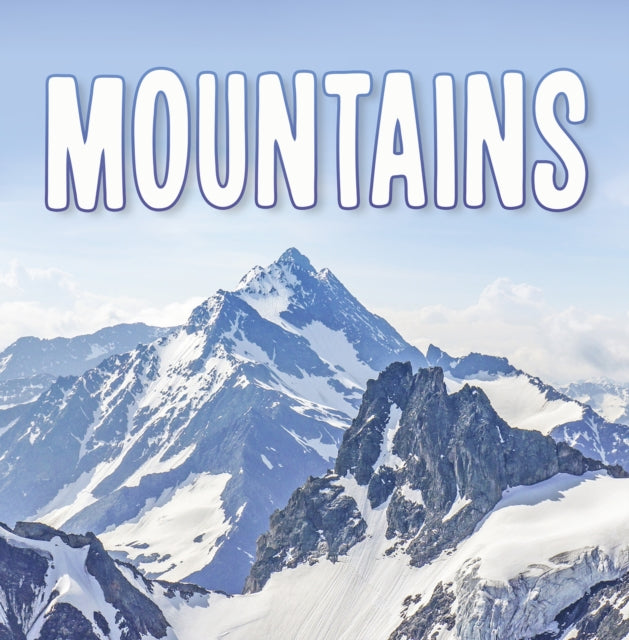
Mountains are formed when two Earth's crust pieces push up land, formed by erupting volcanoes or growing and shrinking.
\n Format: Paperback / softback
\n Length: 24 pages
\n Publication date: 02 September 2021
\n Publisher: Capstone Global Library Ltd
\n
Mountains are majestic structures that tower above the earth, reaching towards the heavens. While their sheer elevation captures the attention of many, there is much more to these awe-inspiring landforms than meets the eye. These towering peaks are formed through a fascinating geological process called orogeny, which involves the collision and uplift of two tectonic plates.
One of the most captivating ways in which mountains form is through volcanic activity. When molten rock, gas, and ash rise from deep within the earth's crust, they accumulate and form towering volcanoes. These explosive eruptions release tremendous energy, shaping the landscape and creating breathtaking landscapes.
Mountains can also be created through the process of erosion and weathering. Over time, the forces of nature, such as wind, water, and gravity, erode the earth's surface, wearing away rocks and soil. This process creates valleys, canyons, and other distinctive features, as well as forming mountains through the accumulation of debris.
In addition to their geological formation, mountains also exhibit a range of characteristics that make them unique. They are often characterized by steep slopes, rugged terrain, and abundant flora and fauna. These features provide habitat for a diverse range of species, from towering trees to elusive wildlife.
Mountains can be found on every continent of the world, each with its own distinct features and characteristics. From the majestic peaks of the Himalayas to the rugged cliffs of the Andes, mountains offer a breathtaking panorama that is sure to inspire awe and wonder in all who encounter them.
Mountains are not only beautiful but also vital to the health of our planet. They play a crucial role in regulating the climate, absorbing carbon dioxide, and producing oxygen. They also provide important resources such as water, timber, and minerals, which are essential for human survival and economic development.
However, mountains also face numerous challenges. Climate change, deforestation, and urbanization have led to the destruction of many mountain ecosystems, and the loss of biodiversity and habitat for countless species. It is essential that we take steps to protect and preserve these precious landforms for future generations.
In conclusion, mountains are not just towering structures that grace the earth's surface; they are complex and fascinating landforms that are formed through a combination of geological processes and natural forces. From their majestic peaks to their rugged terrain, mountains offer a breathtaking panorama that is sure to inspire awe and wonder in all who encounter them. However, it is important that we recognize the value of these landforms and take steps to protect and preserve them for future generations. By doing so, we can ensure that these majestic structures continue to thrive and provide the benefits that they offer to our planet and its inhabitants for many years to come.
Mountains are majestic structures that tower above the earth, reaching towards the heavens. While their sheer elevation captures the attention of many, there is much more to these awe-inspiring landforms than meets the eye. These towering peaks are formed through a fascinating geological process called orogeny, which involves the collision and uplift of two tectonic plates.
One of the most captivating ways in which mountains form is through volcanic activity. When molten rock, gas, and ash rise from deep within the earth's crust, they accumulate and form towering volcanoes. These explosive eruptions release tremendous energy, shaping the landscape and creating breathtaking landscapes.
Mountains can also be created through the process of erosion and weathering. Over time, the forces of nature, such as wind, water, and gravity, erode the earth's surface, wearing away rocks and soil. This process creates valleys, canyons, and other distinctive features, as well as forming mountains through the accumulation of debris.
In addition to their geological formation, mountains also exhibit a range of characteristics that make them unique. They are often characterized by steep slopes, rugged terrain, and abundant flora and fauna. These features provide habitat for a diverse range of species, from towering trees to elusive wildlife.
Mountains can be found on every continent of the world, each with its own distinct features and characteristics. From the majestic peaks of the Himalayas to the rugged cliffs of the Andes, mountains offer a breathtaking panorama that is sure to inspire awe and wonder in all who encounter them.
Mountains are not only beautiful but also vital to the health of our planet. They play a crucial role in regulating the climate, absorbing carbon dioxide, and producing oxygen. They also provide important resources such as water, timber, and minerals, which are essential for human survival and economic development.
However, mountains also face numerous challenges. Climate change, deforestation, and urbanization have led to the destruction of many mountain ecosystems, and the loss of biodiversity and habitat for countless species. It is essential that we take steps. steps to protect and preserve these precious landforms for future generations. By doing so, we can ensure that these majestic structures continue to thrive and provide the benefits that they offer to our planet and its inhabitants for many years to come.
\n Weight: 86g\n
Dimension: 198 x 203 x 7 (mm)\n
ISBN-13: 9781398202795\n \n
UK and International shipping information
UK and International shipping information
We deliver throughout the United Kingdom and to 128 countries and territories worldwide, including the United States, Australia, Canada, Germany, Spain and France.