Frank Arneil Walker
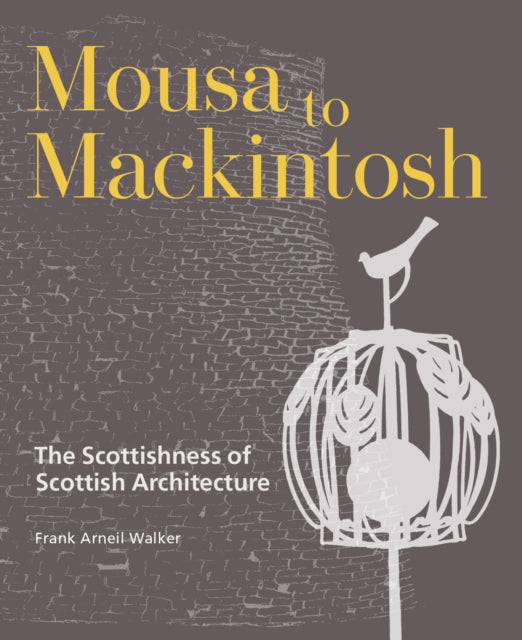
Mousa to Mackintosh: The Scottishness of Scottish Architecture
Mousa to Mackintosh: The Scottishness of Scottish Architecture
💎 Earn 115 Points (£1.15) on this item.
YOU SAVE £6.99
- Condition: Brand new
- UK Delivery times: Usually arrives within 2 - 3 working days
- UK Shipping: Fee starts at £3.89. Subject to product weight & dimension
Bulk ordering. Want 15 or more copies? Get a personalised quote and bigger discounts. Learn more about bulk orders.
Couldn't load pickup availability
- More about Mousa to Mackintosh: The Scottishness of Scottish Architecture
Frank Arneil Walker explores the recognizable and recurring features of Scotland's buildings across the centuries to build a picture of Scottishness in architecture. This chronological history presents an expansive view of architecture in Scotland, from neolithic brochs to modernist New Towns, including the work of renowned architects.
Format: Hardback
Length: 288 pages
Publication date: 29 June 2023
Publisher: Historic Environment Scotland
Scotland's architectural heritage is incredibly diverse, spanning a wide range of styles and periods. In his book "Mousa to Mackintosh: The Recognition and Recurring Features of Scottish Architecture Across the Centuries," Frank Arneil Walker delves into the distinctive and recurring elements that define Scotland's buildings throughout history. This comprehensive chronology offers a sweeping perspective on Scottish architecture, encompassing everything from ancient neolithic brochs and elegant country houses to majestic baronial tower-houses and contemporary New Towns, featuring the works of renowned architects like Charles Rennie Mackintosh, Robert Adam, Basil Spence, and Robert Lorimer.
Walker's exploration goes beyond mere aesthetics, examining the intricate interplay between national characteristics and international influences in these structures. He seeks to answer the question: what truly defines the Scottishness of Scottish architecture? Through his meticulous research and analysis, Walker provides a rich and nuanced understanding of the evolution of Scottish architectural styles and their significance in shaping the country's cultural identity.
One of the key themes that emerges from "Mousa to Mackintosh" is the influence of the natural environment on Scottish architecture. From the rugged landscapes of the Highlands to the picturesque coastal towns, Scotland's geography has played a significant role in shaping the architectural styles that have evolved over time. Neolithic brochs, for example, were built to withstand the harsh Scottish weather, with their sturdy stone walls and thatched roofs providing protection and warmth.
As Scotland's history progressed, so did its architectural styles. The classical country houses of the 18th and 19th centuries, such as Blair Castle and Culzean Castle, showcased the elegance and sophistication of the Scottish aristocracy. These houses were often designed with grandiose facades, intricate woodwork, and ornate gardens, reflecting the wealth and status of their owners.
In the mid-19th century, a new architectural movement emerged in Scotland, known as the Gothic Revival. This movement was inspired by the medieval architecture of Europe and sought to revive the grandeur and elegance of that period. Prominent architects like Robert Adam and Basil Spence were instrumental in this movement, designing buildings like the University of Edinburgh's Old College and the Royal College of Surgeons of Edinburgh.
The 20th century saw a significant shift in Scottish architecture, with the rise of modernism. Architects like Charles Rennie Mackintosh and his wife, Margaret Macdonald, pioneered the Art Nouveau style, which featured intricate and organic designs. Mackintosh's iconic buildings, such as the Glasgow School of Art and the Willow Tea Rooms, are a testament to his talent and creativity.
In addition to these historical styles, "Mousa to Mackintosh" also explores the impact of international influences on Scottish architecture. The country has been a crossroads of cultures and ideas throughout its history, and this has led to the integration of various architectural styles and elements into Scottish buildings. For example, the influence of the Scottish Enlightenment can be seen in the architectural designs of Robert Adam and his contemporaries, who incorporated classical elements and symmetry into their buildings.
Another important aspect of Scottish architecture is its connection to the community. Many Scottish buildings, from churches to schools, have been designed with the needs and aspirations of the local community in mind. This focus on community-driven design has led to the creation of buildings that are not only functional but also aesthetically pleasing and meaningful to the people who use them.
In conclusion, "Mousa to Mackintosh" is a valuable contribution to the study of Scottish architecture. Through its comprehensive chronology and insightful analysis, the book provides a deep understanding of the diverse and evolving nature of Scottish architectural heritage. Walker's exploration of the relationship between national characteristics and international influences, as well as his focus on the natural environment, community-driven design, and the significance of Scottish architects, makes this book an essential read for anyone interested in the history and culture of Scotland.
Weight: 1372g
Dimension: 211 x 259 x 27 (mm)
ISBN-13: 9781849173285
UK and International shipping information
UK and International shipping information
We deliver throughout the United Kingdom and to 128 countries and territories worldwide, including the United States, Australia, Canada, Germany, Spain and France.