Shulph Ink
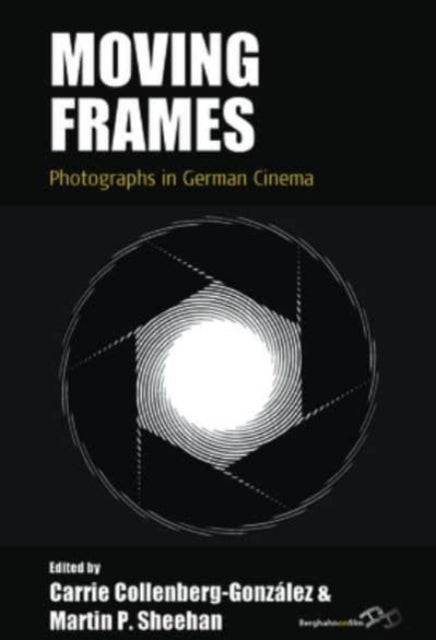
Moving Frames: Photographs in German Cinema
Moving Frames: Photographs in German Cinema
💎 Earn 496 Points (£4.96) on this item.
We can order this item for you. Delivery usually takes about 4 to 6 weeks.
This item is not held in our immediate stock. We will order it for you after checkout.
Estimated delivery: About 4 to 6 weeks
- Condition: Brand new
- UK Delivery times: Usually arrives within 2 - 3 working days
- UK Shipping: Fee starts at £2.39. Subject to product weight & dimension
Bulk ordering. Want 15 or more copies? Get a personalised quote and bigger discounts. Learn more about bulk orders.
Couldn't load pickup availability
- More about Moving Frames: Photographs in German Cinema
Moving Frames explores the use of photographs in German films from Expressionism to the Berlin School, addressing the formal and narrative roles, as well as the cultural and historical contexts. It provides insights into the politics of surveillance, resistance, representation, and collective memory.
Format: Hardback
Length: 258 pages
Publication date: 14 February 2022
Publisher: Berghahn Books
Since the beginning of cinema, photographs have played a crucial role in shaping the medium, a relationship that has become increasingly intricate as the underlying technologies have evolved. Moving Frames delves into the use of photographs in German films from Expressionism to the Berlin School, examining the formal and narrative functions of photographs as well as the cultural and historical contexts that gave rise to these films. By looking beyond and within the canon, the editors gather insightful new perspectives on the politics of surveillance, resistance, representation, and collective memory in German cinema, facilitated by the ruptures and affects created through photographic imagery.
The significance of photographs in cinema cannot be overstated, as they serve as the building blocks of moving pictures. From the earliest days of silent film, photographs have been used to capture and preserve the visual narrative, providing a permanent record of the stories told on screen. As technology advanced, photographs became more sophisticated, allowing for greater creativity and experimentation in the filmmaking process.
In German cinema, the use of photographs has been particularly rich and diverse, reflecting the country's complex history and cultural heritage. From the Expressionist films of the early 20th century, which used photographs to create dreamlike and surrealistic worlds, to the Berlin School films of the 1960s, which used photographs to explore the social and political tensions of the time, German filmmakers have been constantly pushing the boundaries of what photographs can do.
One of the key themes that emerges from Moving Frames is the role of photographs in shaping the politics of surveillance. In the early days of cinema, photographs were used to document and control the behavior of the public, particularly in the context of public spaces such as streets and parks. However, as cinema became more politicized, photographs also became a tool for resistance and subversion. Filmmakers used photographs to document the struggles of marginalized communities, to expose the injustices of the system, and to challenge the power of the state.
Another theme that emerges from Moving Frames is the role of photographs in shaping the politics of resistance. Filmmakers used photographs to document the resistance movements of the 20th century, from the civil rights movement in the United States to the anti-apartheid movement in South Africa. Photographs were used to capture the bravery and resilience of those who fought for social justice, to document the violence and oppression they faced, and to raise awareness of the injustices they were facing.
Photographs also played a crucial role in shaping the politics of representation in German cinema. Filmmakers used photographs to create a visual language that was unique to their films, to convey the emotions and experiences of their characters, and to explore the complexities of the human condition. From the Expressionist films of the early 20th century, which used photographs to create dreamlike and surrealistic worlds, to the Berlin School films of the 1960s, which used photographs to explore the social and political tensions of the time, German filmmakers have been constantly pushing the boundaries of what photographs can do.
In addition to their formal and narrative roles, photographs also have a rich cultural and historical significance in German cinema. Photographs have been used to document the changing landscape of Germany over the centuries, from the industrialization of the 19th century to the reunification of the country in the 1990s. Photographs have also been used to capture the cultural traditions.
In conclusion, photographs have played a crucial role in shaping the medium of cinema since the dawn of the medium, a relationship that has become increasingly intricate as the underlying technologies have evolved. Moving Frames explores the use of photographs in German films from Expressionism to the Berlin School, examining the formal and narrative roles that photographs play as well as the cultural and historical contexts that gave rise
rise to these films. By looking beyond and within the canon, the editors gather insightful new perspectives on the politics of surveillance, resistance, representation, and collective memory in German cinema, facilitated by the ruptures and affects created through photographic imagery. The significance of photographs in cinema cannot be overstated, as they serve as the building blocks of moving pictures. From the earliest days of silent film, photographs have been used to capture and preserve the visual narrative, providing a permanent record of the stories told on screen. As technology advanced, photographs became more sophisticated, allowing for greater creativity and experimentation in the filmmaking process. In German cinema, the use of photographs has been particularly rich and diverse, reflecting the country's complex history and cultural heritage. From the Expressionist films of the early 20th century, which used photographs to create dreamlike and surrealistic worlds, to the Berlin School films of the 1960s, which used photographs to explore the social and political tensions of the time, German filmmakers have been constantly pushing the boundaries of what photographs can do. One of the key themes that emerges from Moving Frames is the role of photographs in shaping the politics of surveillance. In the early days of cinema, photographs were used to document and control the behavior of the public, particularly in the context of public spaces such as streets and parks. However, as cinema became more politicized, photographs also became a tool for resistance and subversion. Filmmakers used photographs to document the struggles of marginalized communities, to expose the injustices of the system, and to challenge the power of the state. Another theme that emerges from Moving Frames is the role of photographs in shaping the politics of resistance. Filmmakers used photographs to document the resistance movements of the 20th century, from the civil rights movement in the United States to the anti-apartheid movement in South Africa. Photographs were used to capture the bravery and resilience of those who fought for social justice, to document the violence and oppression they faced, and to raise awareness of the injustices they were facing. Photographs also played a crucial role in shaping the politics of representation in German cinema. Filmmakers used photographs to create a visual language that was unique to their films, to convey the emotions and experiences of their characters, and to explore the complexities of the human condition. From the Expressionist films of the early 20th century, which used photographs to create dreamlike and surrealistic worlds, to the Berlin School films of the 1960s, which used photographs to explore the social and political tensions of the time, German filmmakers have been constantly pushing the boundaries of what photographs can do. In addition to their formal and narrative roles, photographs also have a rich cultural and historical significance in German cinema. Photographs have been used to document the changing landscape of Germany over the centuries, from the industrialization of the 19th century to the reunification of the country in the 1990s. Photographs have also been used to capture the cultural.
Dimension: 229 x 152 (mm)
ISBN-13: 9781800733763
This item can be found in:
UK and International shipping information
UK and International shipping information
UK Delivery and returns information:
- Delivery within 2 - 3 days when ordering in the UK.
- Shipping fee for UK customers from £2.39. Fully tracked shipping service available.
- Returns policy: Return within 30 days of receipt for full refund.
International deliveries:
Shulph Ink now ships to Australia, Belgium, Canada, France, Germany, Ireland, Italy, India, Luxembourg Saudi Arabia, Singapore, Spain, Netherlands, New Zealand, United Arab Emirates, United States of America.
- Delivery times: within 5 - 10 days for international orders.
- Shipping fee: charges vary for overseas orders. Only tracked services are available for most international orders. Some countries have untracked shipping options.
- Customs charges: If ordering to addresses outside the United Kingdom, you may or may not incur additional customs and duties fees during local delivery.