Jennifer Morton
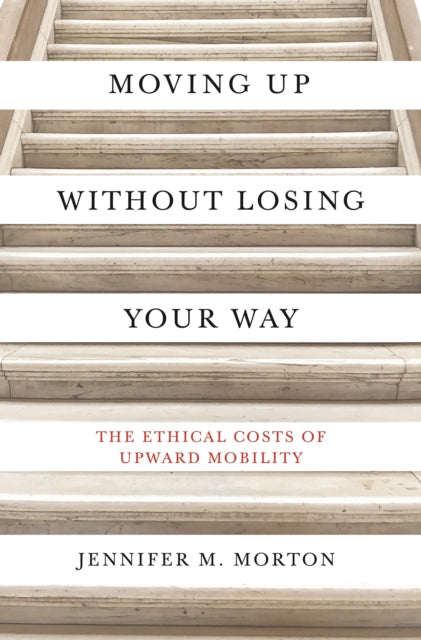
Moving Up without Losing Your Way: The Ethical Costs of Upward Mobility
Moving Up without Losing Your Way: The Ethical Costs of Upward Mobility
💎 Earn 72 Points (£0.72) on this item.
We can order this item for you. Delivery usually takes about 4 to 6 weeks.
This item is not held in our immediate stock. We will order it for you after checkout.
Estimated delivery: About 4 to 6 weeks
YOU SAVE £3.56
- Condition: Brand new
- UK Delivery times: Usually arrives within 2 - 3 working days
- UK Shipping: Fee starts at £2.39. Subject to product weight & dimension
Bulk ordering. Want 15 or more copies? Get a personalised quote and bigger discounts. Learn more about bulk orders.
Couldn't load pickup availability
- More about Moving Up without Losing Your Way: The Ethical Costs of Upward Mobility
Upward mobility through higher education is an article of faith for disadvantaged college students, but it comes with personal compromises. Moving Up without Losing Your Way examines the ethical dilemmas of upward mobility and urges educators to empower students with a new narrative that allows them to achieve social mobility while retaining their best selves.
Format: Paperback / softback
Length: 192 pages
Publication date: 20 April 2021
Publisher: Princeton University Press
Upward mobility through higher education has been a beacon of hope for generations of working-class, low-income, and immigrant college students, offering a path to a better future. However, little attention has been paid to the personal compromises these students make as they enter worlds vastly different from their own. Measuring the true cost of higher education for those from disadvantaged backgrounds, Moving Up without Losing Your Way delves into the ethical dilemmas of upward mobility, including the broken ties with family and friends, and the loss of community and identity, faced by students as they strive to secure a successful place in society. Drawing upon philosophy, social science, personal stories, and interviews, Jennifer Morton reframes the college experience, considering not just educational and career opportunities but also the essential relationships that shape students' lives. She implores educators to empower students with a new narrative, one that allows them to achieve social mobility while retaining their best selves.
The challenges faced by disadvantaged college students seeking upward mobility are multifaceted and complex. These students often come from low-income backgrounds, face educational disparities, and may struggle with cultural barriers and social isolation. As they navigate the academic landscape, they may face financial constraints, limited access to resources, and a lack of support from their families and communities.
One of the primary ethical dilemmas faced by these students is the tension between pursuing their academic goals and maintaining their personal relationships and identities. Many students come from families that have traditionally valued education and career advancement, but may also have strong cultural and familial ties that are important to them. As they strive to achieve academic success, they may feel torn between their obligations to their families and their desire to pursue their own dreams.
Another ethical dilemma is the pressure to conform to societal expectations and norms. Disadvantaged college students may feel pressure to prioritize their academic pursuits over their personal interests, cultural traditions, or social identities. They may be expected to adhere to certain stereotypes or norms that may not align with their values or beliefs, leading to feelings of dissonance and frustration.
Furthermore, disadvantaged college students may face discrimination and marginalization in the academic and social environments. They may be subjected to biases, stereotypes, and negative attitudes from their peers, faculty, and administrators, which can impact their sense of self-worth and motivation.
To address these ethical dilemmas, educators can play a crucial role in supporting and empowering disadvantaged college students. Here are some strategies that educators can employ to help these students flourish:
Building strong relationships: Educators can build strong relationships with their students by demonstrating empathy, respect, and understanding. They can create a safe and supportive learning environment where students feel comfortable sharing their experiences and concerns.
Fostering a sense of belonging: Educators can foster a sense of belonging among their students by promoting diversity and inclusion in the classroom. They can celebrate the unique perspectives and experiences of their students and create opportunities for them to connect with others who share their backgrounds and interests.
Providing academic support: Educators can provide academic support to their students by offering tutoring, mentoring, and academic advising. They can also provide resources and opportunities for students to engage in research and internships, which can help them develop their skills and gain valuable experience.
Encouraging self-reflection: Educators can encourage their students to engage in self-reflection and self-awareness. They can help students identify their values, beliefs, and goals and develop strategies for navigating the academic and social environments in a way that aligns with their own values and beliefs.
Promoting social mobility: Educators can promote social mobility by providing opportunities for their students to gain practical experience and connect with professionals in their fields. They can also advocate for policies that promote equity and access to higher education for all students.
In conclusion, upward mobility through higher education has the potential to transform the lives of disadvantaged college students. However, these students face numerous ethical dilemmas as they strive to achieve their academic goals and secure a successful place in society. By building strong relationships, fostering a sense of belonging, providing academic support, encouraging self-reflection, and promoting social mobility, educators can help these students flourish and achieve their full potential.
Weight: 260g
Dimension: 139 x 217 x 16 (mm)
ISBN-13: 9780691216935
UK and International shipping information
UK and International shipping information
UK Delivery and returns information:
- Delivery within 2 - 3 days when ordering in the UK.
- Shipping fee for UK customers from £2.39. Fully tracked shipping service available.
- Returns policy: Return within 30 days of receipt for full refund.
International deliveries:
Shulph Ink now ships to Australia, Belgium, Canada, France, Germany, Ireland, Italy, India, Luxembourg Saudi Arabia, Singapore, Spain, Netherlands, New Zealand, United Arab Emirates, United States of America.
- Delivery times: within 5 - 10 days for international orders.
- Shipping fee: charges vary for overseas orders. Only tracked services are available for most international orders. Some countries have untracked shipping options.
- Customs charges: If ordering to addresses outside the United Kingdom, you may or may not incur additional customs and duties fees during local delivery.