Shulph Ink
Multimodal Approaches to Chinese-English Translation and Interpreting
Multimodal Approaches to Chinese-English Translation and Interpreting
💎 Earn 226 Points (£2.26) on this item.
We can order this item for you. Delivery usually takes about 4 to 6 weeks.
This item is not held in our immediate stock. We will order it for you after checkout.
Estimated delivery: About 4 to 6 weeks
YOU SAVE £2.69
- Condition: Brand new
- UK Delivery times: Usually arrives within 2 - 3 working days
- UK Shipping: Fee starts at £3.89. Subject to product weight & dimension
Bulk ordering. Want 15 or more copies? Get a personalised quote and bigger discounts. Learn more about bulk orders.
Couldn't load pickup availability
- More about Multimodal Approaches to Chinese-English Translation and Interpreting
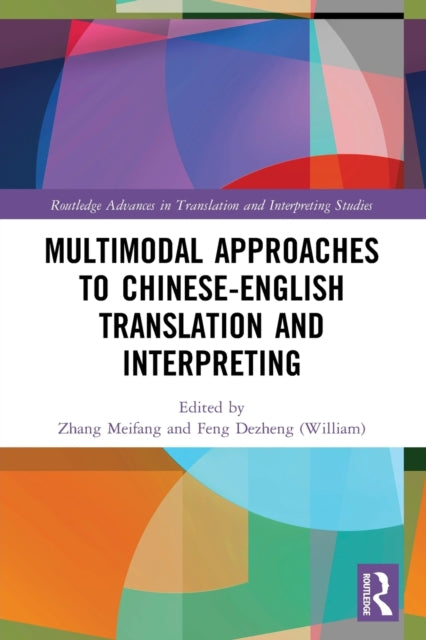
Multimodality is an important topic in linguistics, discourse analysis, and translation studies, but research is needed to explore research models and methodologies. This book introduces and applies multimodal discourse analysis to the study of translations, with case studies on Chinese classics and modern issues. The chapters provide new insights into the multimodal translation process and offer useful reference models for researchers interested in Chinese language, literature, and culture.
Format: Paperback / softback
Length: 224 pages
Publication date: 01 August 2022
Publisher: Taylor & Francis Ltd
In the realm of linguistics, discourse analysis, translation, and interpreting studies, the concept of multimodality has gained significant importance. It encompasses the analysis of not only texts but also paratexts and images, which has led to the exploration of new research areas. However, despite the growing interest in multimodal analysis, there has been limited systematic research in this field, particularly in the exploration of research models and methodologies for multimodal analysis in translation and interpreting.
This book seeks to address this gap by introducing and applying various theories of multimodal discourse analysis to the study of translations. It includes case studies on Chinese classics such as the Monkey King, Mulan, and The Art of War, as well as interpretations of contemporary issues such as the Chinese Belt and Road Initiatives and Macao tourism. The chapters in this book reflect the initial attempts to apply multimodal approaches to translation and interpreting, with a particular focus on Chinese-English translations and interpreting. They offer fresh insights into the transformations that occur in the multimodal translation process and provide valuable reference models for researchers interested in conducting similar research, particularly in the areas of Chinese language, literature, and culture.
The significance of multimodality in translation and interpreting studies lies in its ability to capture the complex interplay between different modes of communication, such as text, image, and gesture. By analyzing these modes, researchers can gain a deeper understanding of the cultural and social contexts in which translations are produced and interpreted. Multimodal analysis also allows for a more nuanced analysis of the linguistic and rhetorical features of texts, as it takes into account the visual and auditory aspects of communication.
One of the key challenges in multimodal analysis is the need for specialized research tools and methodologies. Traditional linguistic analysis may not be sufficient to capture the full range of multimodal phenomena, and researchers may require new approaches such as visual analysis, discourse analysis, and ethnography. Additionally, there is a need for more interdisciplinary research, as translations are often influenced by a wide range of factors, including cultural, social, and political contexts.
Despite these challenges, the study of multimodality in translation and interpreting has the potential to contribute to a more comprehensive understanding of the complex processes involved in cross-cultural communication. By exploring the relationships between different modes of communication, researchers can develop more effective translation strategies and interpreting techniques that take into account the unique characteristics of different cultural contexts.
In conclusion, the concept of multimodality has become an increasingly important topic in the fields of linguistics, discourse analysis, and translation studies. This book aims to introduce and apply different theories of multimodal discourse analysis to the study of translations, with case studies on Chinese classics and contemporary issues. By exploring the complexities of multimodal communication, researchers can gain a deeper understanding of the cultural and social contexts in which translations are produced and interpreted, and develop more effective translation strategies and interpreting techniques that are sensitive to the unique characteristics of different cultural contexts.
Weight: 440g
Dimension: 234 x 156 (mm)
ISBN-13: 9780367647643
UK and International shipping information
UK and International shipping information
We deliver throughout the United Kingdom and to 128 countries and territories worldwide, including the United States, Australia, Canada, Germany, Spain and France.