Shulph Ink
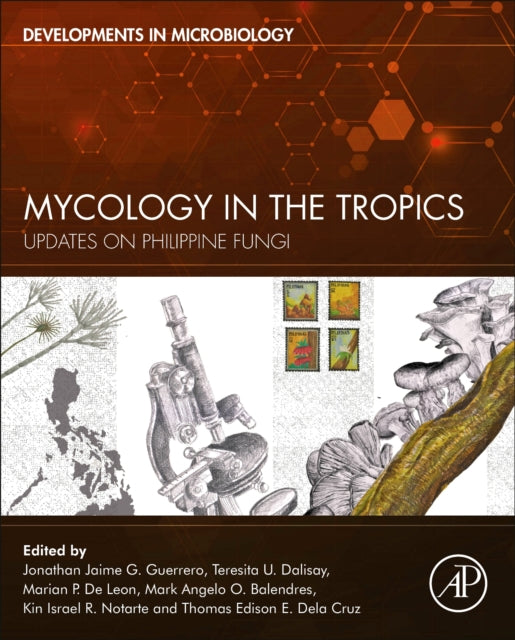
Mycology in the Tropics: Updates on Philippine Fungi
Mycology in the Tropics: Updates on Philippine Fungi
💎 Earn 508 Points (£5.08) on this item.
YOU SAVE £13.23
- Condition: Brand new
- UK Delivery times: Usually arrives within 2 - 3 working days
- UK Shipping: Fee starts at £2.39. Subject to product weight & dimension
Bulk ordering. Want 15 or more copies? Get a personalised quote and bigger discounts. Learn more about bulk orders.
Couldn't load pickup availability
- More about Mycology in the Tropics: Updates on Philippine Fungi
Mycology in the Tropics: Updates on Philippine Fungi is a comprehensive book that covers the current state of Philippine mycology, including historical developments, utilizations, and economic impact on crop production. It also introduces tropical mycology, describes fungal groups, biodiversity, and conservation, and highlights the applications of mycology in agriculture, health, industry, and the environment. The book includes quarantine regulations and emphasizes the importance of developing local studies on fungi.
Format: Paperback / softback
Length: 394 pages
Publication date: 20 October 2022
Publisher: Elsevier Science & Technology
Mycology in the Tropics: Updates on Philippine Fungi is a comprehensive and in-depth exploration of the current state of Philippine mycology, encompassing a wide range of topics. This book delves into the historical developments, diverse applications, and economic impact of fungi in the country, providing valuable insights into the field.
Chapter 1: Tropical Mycology
This chapter provides an introduction to the study of fungi in tropical regions, highlighting the unique ecological and environmental factors that shape fungal diversity and distribution. It discusses the various taxonomic groups of fungi found in the Philippines and explores their ecological roles, such as decomposition, nutrient cycling, and symbiotic relationships with plants. The chapter also emphasizes the importance of conservation efforts to protect these valuable fungal resources.
Chapter 2: Fungal Groups and Biodiversity
Chapter 2 delves into the classification and identification of different fungal groups found in the Philippines. It presents detailed descriptions of various species, their characteristics, and their distribution patterns across different ecosystems. The chapter also discusses the conservation status of these fungi and highlights the need for further research and monitoring to better understand their ecological and economic importance.
Chapter 3: Applications of Mycology in Agriculture
Chapter 3 explores the applications of mycology in agriculture, focusing on the use of fungi for disease control, nutrient management, and crop improvement. It discusses the role of fungi in promoting soil health, enhancing crop productivity, and reducing the use of chemical fertilizers and pesticides. The chapter also highlights the potential of fungi in sustainable agriculture and provides examples of successful fungal-based farming practices in the Philippines.
Chapter 4: Applications of Mycology in Health
Chapter 4 examines the applications of mycology in health, focusing on the use of fungi in medicine, biotechnology, and food production. It discusses the potential of fungi to produce bioactive compounds, such as antibiotics, anticancer agents, and immunomodulators, and their applications in treating various diseases. The chapter also highlights the importance of fungal diversity in maintaining human health and the need for further research to explore the full potential of fungi in healthcare.
Chapter 5: Applications of Mycology in Industry
Chapter 5 explores the applications of mycology in industry, focusing on the use of fungi in the production of enzymes, biofuels, and other industrial products. It discusses the advantages of using fungi over traditional chemical processes, such as cost-effectiveness, sustainability, and scalability. The chapter also highlights the potential of fungi in waste management and environmental remediation.
Chapter 6: Applications of Mycology in the Environment
Chapter 6 examines the applications of mycology in the environment, focusing on the use of fungi in soil remediation, waste management, and biodiversity conservation. It discusses the role of fungi in promoting soil fertility, reducing soil pollution, and restoring degraded ecosystems. The chapter also highlights the potential of fungi in sustainable land use and the development of new bio-based materials.
Chapter 7: Quarantine Regulations on Economically Important Diseases
Chapter 7 provides an overview of quarantine regulations on economically important diseases in the Philippines. It discusses the legal framework and procedures for the import, export, and control of fungal diseases in the country. The chapter also highlights the importance of developing local studies on fungi to better understand their distribution, biology, and control strategies.
Chapter 8: Importance of Developing Local Studies on Fungi
Chapter 8 emphasizes the importance of developing local studies on fungi in the Philippines. It discusses the benefits of conducting research on local fungi, such as understanding their ecological roles, identifying new species, and developing sustainable management strategies. The chapter also highlights the need for collaboration between researchers, government agencies, and local communities to promote the study and conservation of fungi in the country.
In conclusion, Mycology in the Tropics: Updates on Philippine Fungi is a valuable resource for researchers, students, and professionals interested in the study of fungi in the Philippines. This book provides comprehensive coverage of the current state of Philippine mycology, including historical developments, diverse applications, and economic impact. By exploring the various chapters, readers will gain a deeper understanding of the importance of fungi in agriculture, health, industry, and the environment. The book also serves as a call to action for promoting the study and conservation of fungi in the Philippines, highlighting the need for collaboration, research, and sustainable management practices to ensure the long-term sustainability of these valuable resources.
Weight: 850g
Dimension: 235 x 191 x 28 (mm)
ISBN-13: 9780323994897
UK and International shipping information
UK and International shipping information
UK Delivery and returns information:
- Delivery within 2 - 3 days when ordering in the UK.
- Shipping fee for UK customers from £2.39. Fully tracked shipping service available.
- Returns policy: Return within 30 days of receipt for full refund.
International deliveries:
Shulph Ink now ships to Australia, Belgium, Canada, France, Germany, Ireland, Italy, India, Luxembourg Saudi Arabia, Singapore, Spain, Netherlands, New Zealand, United Arab Emirates, United States of America.
- Delivery times: within 5 - 10 days for international orders.
- Shipping fee: charges vary for overseas orders. Only tracked services are available for most international orders. Some countries have untracked shipping options.
- Customs charges: If ordering to addresses outside the United Kingdom, you may or may not incur additional customs and duties fees during local delivery.