Shulph Ink
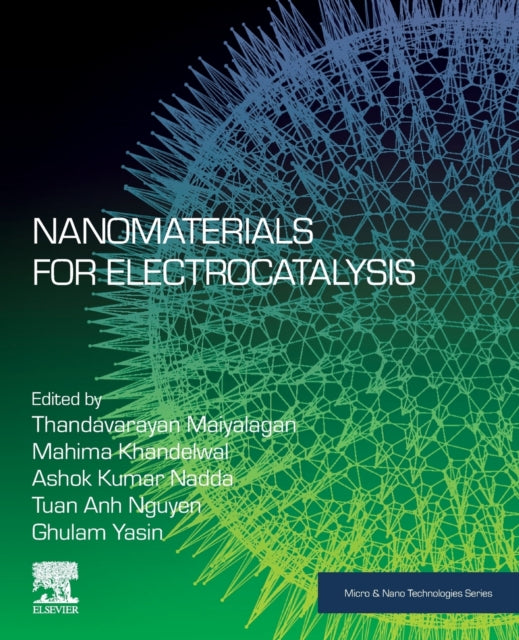
Nanomaterials for Electrocatalysis
Nanomaterials for Electrocatalysis
💎 Earn 789 Points (£7.89) on this item.
YOU SAVE £22.05
- Condition: Brand new
- UK Delivery times: Usually arrives within 2 - 3 working days
- UK Shipping: Fee starts at £2.39. Subject to product weight & dimension
Bulk ordering. Want 15 or more copies? Get a personalised quote and bigger discounts. Learn more about bulk orders.
Couldn't load pickup availability
- More about Nanomaterials for Electrocatalysis
Nanomaterials for Electrocatalysis provides an overview of the different types of nanomaterials, design principles, and synthesis protocols used for electrocatalytic reactions, with a focus on their applications in electrochemical systems.
Format: Paperback / softback
Length: 400 pages
Publication date: 28 January 2022
Publisher: Elsevier - Health Sciences Division
Nanomaterials for Electrocatalysis is a comprehensive guide that delves into the diverse realm of nanomaterials, their design principles, and synthesis protocols employed in electrocatalytic reactions. This extensive text is organized into four distinct sections, each dedicated to exploring fundamental concepts and principles of electrocatalysis, the various types of nanomaterials utilized, and their applications in electrocatalysis, as well as their limitations and potential future perspectives.
The significance of this book lies in its ability to showcase new information and discoveries, particularly in the context of electrochemical systems incorporating nanomaterials. By leveraging the unique properties and characteristics of these materials, these systems are capable of delivering superior performance, making them highly valuable in various experimental settings.
In the first section, the book provides a foundational understanding of electrocatalysis, encompassing key concepts such as electron transfer, reaction mechanisms, and the role of catalysts in accelerating chemical reactions. It also introduces the reader to the various types of nanomaterials used in electrocatalysis, including metals, semiconductors, carbon-based materials, and biomaterials. Each type of nanomaterial is discussed in detail, highlighting their unique properties, such as surface chemistry, electronic structure, and catalytic activity, which contribute to their effectiveness in electrocatalytic processes.
The second section delves into the synthesis protocols employed to create nanomaterials with specific properties and structures that are conducive to electrocatalytic reactions. This includes techniques such as chemical vapor deposition, sol-gel synthesis, and template-directed synthesis, among others. The authors provide detailed explanations of these methods, emphasizing their advantages, limitations, and potential applications in the development of efficient and durable electrocatalysts.
The third section explores the diverse applications of nanomaterials in electrocatalysis, including energy conversion, environmental remediation, and industrial processes. The authors highlight specific examples of electrocatalytic reactions that utilize nanomaterials, such as fuel cells, water splitting, and the oxidation of pollutants. They discuss the challenges and opportunities associated with these applications, as well as the potential for further research and development in this field.
The final section provides an outlook on the future of nanomaterials for electrocatalysis. The authors discuss emerging trends, such as the integration of nanomaterials with other technologies, such as renewable energy systems and smart materials, and the development of new materials with enhanced catalytic properties. They also address the challenges and limitations that need to be overcome to fully realize the potential of nanomaterials in electrocatalysis, such as stability, scalability, and cost-effectiveness.
In conclusion, Nanomaterials for Electrocatalysis is a valuable resource for researchers, scientists, and engineers interested in the field of electrocatalysis. It provides a comprehensive overview of the different types of nanomaterials, design principles, and synthesis protocols used in electrocatalytic reactions. By highlighting new information and discoveries, this book contributes to the advancement of our understanding of electrocatalysis and its potential applications in various industries.
Weight: 450g
Dimension: 235 x 191 (mm)
ISBN-13: 9780323857109
This item can be found in:
UK and International shipping information
UK and International shipping information
UK Delivery and returns information:
- Delivery within 2 - 3 days when ordering in the UK.
- Shipping fee for UK customers from £2.39. Fully tracked shipping service available.
- Returns policy: Return within 30 days of receipt for full refund.
International deliveries:
Shulph Ink now ships to Australia, Belgium, Canada, France, Germany, Ireland, Italy, India, Luxembourg Saudi Arabia, Singapore, Spain, Netherlands, New Zealand, United Arab Emirates, United States of America.
- Delivery times: within 5 - 10 days for international orders.
- Shipping fee: charges vary for overseas orders. Only tracked services are available for most international orders. Some countries have untracked shipping options.
- Customs charges: If ordering to addresses outside the United Kingdom, you may or may not incur additional customs and duties fees during local delivery.