Shulph Ink
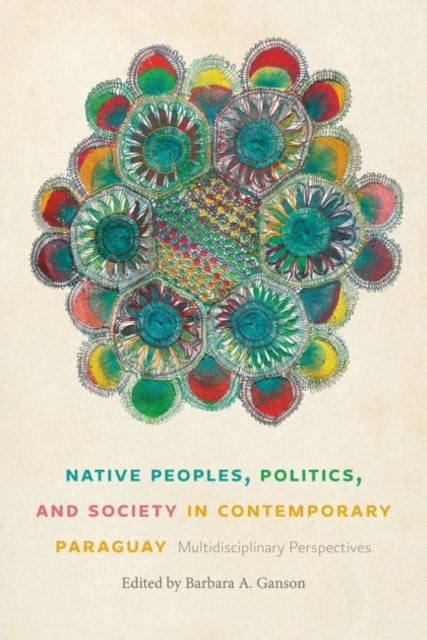
Native Peoples, Politics, and Society in Contemporary Paraguay: Multidisciplinary Perspectives
Native Peoples, Politics, and Society in Contemporary Paraguay: Multidisciplinary Perspectives
💎 Earn 265 Points (£2.65) on this item.
We can order this item for you. Delivery usually takes about 4 to 6 weeks.
This item is not held in our immediate stock. We will order it for you after checkout.
Estimated delivery: About 4 to 6 weeks
YOU SAVE £6.90
- Condition: Brand new
- UK Delivery times: Usually arrives within 2 - 3 working days
- UK Shipping: Fee starts at £2.39. Subject to product weight & dimension
Bulk ordering. Want 15 or more copies? Get a personalised quote and bigger discounts. Learn more about bulk orders.
Couldn't load pickup availability
- More about Native Peoples, Politics, and Society in Contemporary Paraguay: Multidisciplinary Perspectives
The collection of multidisciplinary essays in "Native Peoples, Politics, and Society in Contemporary Paraguay" explores recent developments in the country since General Alfred Stroessner fell from power in 1989, highlighting the impact of Stroessner's authoritarian legacy and the conservative Colorado Party's dominance in the political landscape. The essays offer new insights into Paraguay's integration into Latin American economies and societies, as well as the challenges and adaptations faced by the country as it emerged from authoritarian traditions.
Format: Hardback
Length: 224 pages
Publication date: 01 June 2021
Publisher: University of New Mexico Press
This captivating collection of multidisciplinary essays delves into the recent developments in Paraguay over the past thirty years, since General Alfred Stroessner's fall from power in 1989. Stroessner's strong authoritarian legacy continues to shape Paraguay's political culture, even as the country has transitioned into a modern democracy. Despite this transition, the conservative Colorado Party remains a dominant force in the political landscape, dominating much of the country's political landscape.
The essays in Native Peoples, Politics, and Society in Contemporary Paraguay offer fresh perspectives on how Paraguay has integrated into the regional economy and societies of Latin America, while also undergoing unexpected transformations. The scholarship explores the impact of political change on Paraguayans, particularly its indigenous population, and how the country has adapted as it emerges from authoritarian traditions. Each contribution in this collection is exemplary in its scope and depth of understanding of Paraguay, encompassing its indigenous peoples, politics, women's rights, economy, and natural environment.
The essays in this collection shed light on various aspects of Paraguay's development, including the role of indigenous peoples, the politics of transition, women's rights, economic challenges, and environmental concerns. They explore how these issues have shaped the country's social, political, and economic landscape and how Paraguayans have responded to these changes.
One of the key themes that emerges from the essays is the impact of Stroessner's authoritarian regime on Paraguay's indigenous population. The regime marginalized and oppressed indigenous communities, leading to widespread poverty, cultural loss, and political disenfranchisement. However, the essays also highlight the resilience and strength of indigenous communities in the face of adversity, and how they have been working to reclaim their rights and assert their presence in Paraguay's political and social landscape.
Another important theme is the politics of transition in Paraguay. The country has undergone significant political changes since Stroessner's fall, including the adoption of a new constitution, the establishment of democratic institutions, and the promotion of social and economic development. However, the essays also note that the transition has been uneven, with some groups facing discrimination and marginalization, and with challenges to democratic governance and human rights.
The essays also explore the role of women in Paraguay's development, particularly in the context of gender equality and women's rights. The country has made significant progress in recent years in promoting women's rights, including the adoption of laws and policies to protect women's rights, the increase in women's participation in politics and public life, and the recognition of women's contributions to the economy. However, the essays also highlight the ongoing challenges faced by women, including gender-based violence, discrimination, and limited access to education and healthcare.
The collection also examines the economic development of Paraguay, including its role in the regional economy and the challenges it faces in promoting sustainable development. The essays highlight the country's efforts to attract foreign investment, promote entrepreneurship, and diversify its economy, but also note the challenges posed by globalization, trade agreements, and environmental degradation.
Finally, the essays also address the environmental challenges facing Paraguay, including deforestation, water pollution, and climate change. The country has taken steps
steps to address these challenges, including the adoption of sustainable development policies and the implementation of renewable energy projects, but the essays also note the need for more comprehensive and effective environmental policies and regulations to protect the country's natural resources and promote sustainable development.
In conclusion, this collection of multidisciplinary essays provides a valuable insight into the recent developments in Paraguay over the past thirty years, since General Alfred Stroessner's fall from power. The essays offer fresh perspectives on how Paraguay has integrated into the regional economy and societies of Latin America, while also undergoing unexpected transformations. They explore the impact of political change on Paraguayans, particularly its indigenous population, and how the country has adapted as it emerges from authoritarian traditions. The collection is exemplary in its scope and depth of understanding of Paraguay, encompassing its indigenous peoples, politics, women's rights, economy, and natural environment. By examining these issues, the essays contribute to our understanding of the complex and multifaceted nature of Paraguay's development and its place in the broader context of Latin American and global politics.
Weight: 430g
Dimension: 229 x 152 (mm)
ISBN-13: 9780826362575
UK and International shipping information
UK and International shipping information
UK Delivery and returns information:
- Delivery within 2 - 3 days when ordering in the UK.
- Shipping fee for UK customers from £2.39. Fully tracked shipping service available.
- Returns policy: Return within 30 days of receipt for full refund.
International deliveries:
Shulph Ink now ships to Australia, Belgium, Canada, France, Germany, Ireland, Italy, India, Luxembourg Saudi Arabia, Singapore, Spain, Netherlands, New Zealand, United Arab Emirates, United States of America.
- Delivery times: within 5 - 10 days for international orders.
- Shipping fee: charges vary for overseas orders. Only tracked services are available for most international orders. Some countries have untracked shipping options.
- Customs charges: If ordering to addresses outside the United Kingdom, you may or may not incur additional customs and duties fees during local delivery.