HannaLeonardsson
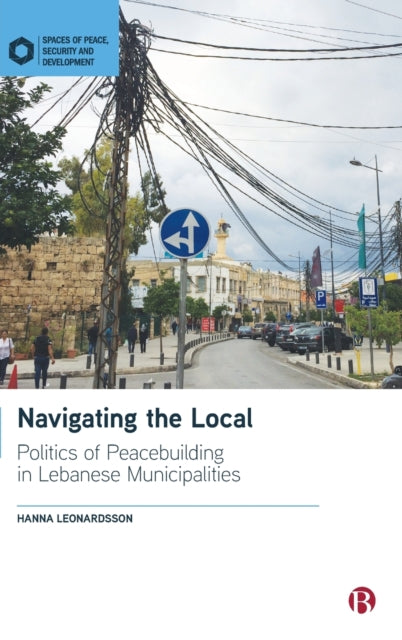
Navigating the Local: Politics of Peacebuilding in Lebanese Municipalities
Navigating the Local: Politics of Peacebuilding in Lebanese Municipalities
💎 Earn 379 Points (£3.79) on this item.
YOU SAVE £16.01
- Condition: Brand new
- UK Delivery times: Usually arrives within 2 - 3 working days
- UK Shipping: Fee starts at £2.39. Subject to product weight & dimension
Bulk ordering. Want 15 or more copies? Get a personalised quote and bigger discounts. Learn more about bulk orders.
Couldn't load pickup availability
- More about Navigating the Local: Politics of Peacebuilding in Lebanese Municipalities
This book explores how local service delivery, interactions, and vertical relationships contribute to building peace in three Lebanese municipalities with diverse sectarian backgrounds. It provides insights into the practices of peacebuilding at the local level and offers practical and theoretical lessons for future endeavors.
Format: Hardback
Length: 178 pages
Publication date: 31 January 2023
Publisher: Bristol University Press
This book explores the intricate dynamics of peace-building at the local level, focusing on three distinct Lebanese municipalities: Saida, Bourj Hammoud, and Tyre. These municipalities represent a tapestry of diverse sectarian identities, each with its unique challenges and opportunities for reconciliation. Through a comprehensive analysis, the book delves into the critical role of local service delivery, local interactions, and vertical relationships in fostering peace. By drawing on the stories and experiences of municipal councillors, employees, and civil society actors, the book showcases how local activities and agencies are executed and their profound impact on local peace in Lebanon.
The book offers valuable insights into what the practice of peace-building can entail at the local level, highlighting the importance of grassroots engagement, community participation, and collaborative efforts. It sheds light on the challenges and complexities faced by local actors in navigating the delicate balance between conflicting sectarian identities and promoting social cohesion. Through its analysis, the book provides valuable lessons that can be applied beyond the Lebanese context, offering valuable insights into the broader field of peace-building.
One of the key findings of the book is that local peace-building is not solely the responsibility of government institutions but also requires the active participation and engagement of civil society actors. Community organizations, religious leaders, youth groups, and other local stakeholders play a vital role in bridging divides, promoting dialogue, and fostering a sense of belonging among different communities. The book emphasizes the importance of building trust and fostering positive relationships between these actors to create a conducive environment for peace-building.
Another important aspect of local peace-building is the role of local service delivery. The quality and accessibility of public services, such as education, healthcare, and infrastructure, can have a significant impact on social stability and peace-building efforts. The book highlights the need for inclusive and equitable service delivery that addresses the needs of all communities, regardless of their sectarian affiliations. By improving access to basic services, local actors can create opportunities for economic development, reduce poverty, and promote social cohesion.
Furthermore, the book emphasizes the importance of vertical relationships between local, national, and international actors in promoting peace. Local municipalities play a crucial role in advocating for their rights and interests at the national level, while international organizations and donors can provide valuable support and resources for peace-building initiatives. By building strong partnerships and networks, local actors can access resources, expertise, and funding to support their peace-building efforts.
In conclusion, this book offers a comprehensive and insightful exploration of the local level of peace-building in Lebanon. By highlighting the critical role of local service delivery, local interactions, and vertical relationships, the book provides valuable insights into what the practice of peace-building can look like at the grassroots level. Through its analysis, the book offers practical lessons that can be applied beyond the Lebanese context, offering valuable insights into the broader field of peace-building. By fostering grassroots engagement, promoting dialogue, and building inclusive and equitable systems of service delivery, local actors can play a vital role in promoting peace and building a more harmonious and peaceful society.
Weight: 420g
Dimension: 161 x 241 x 18 (mm)
ISBN-13: 9781529224269
UK and International shipping information
UK and International shipping information
UK Delivery and returns information:
- Delivery within 2 - 3 days when ordering in the UK.
- Shipping fee for UK customers from £2.39. Fully tracked shipping service available.
- Returns policy: Return within 30 days of receipt for full refund.
International deliveries:
Shulph Ink now ships to Australia, Belgium, Canada, France, Germany, Ireland, Italy, India, Luxembourg Saudi Arabia, Singapore, Spain, Netherlands, New Zealand, United Arab Emirates, United States of America.
- Delivery times: within 5 - 10 days for international orders.
- Shipping fee: charges vary for overseas orders. Only tracked services are available for most international orders. Some countries have untracked shipping options.
- Customs charges: If ordering to addresses outside the United Kingdom, you may or may not incur additional customs and duties fees during local delivery.