LinaAschenbrenner
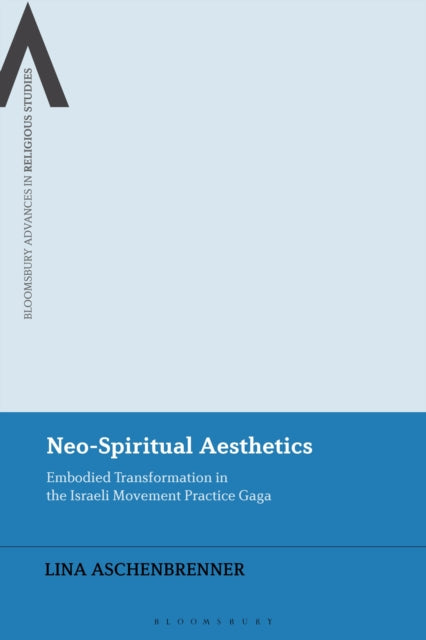
Neo-Spiritual Aesthetics: Embodied Transformation in the Israeli Movement Practice Gaga
Neo-Spiritual Aesthetics: Embodied Transformation in the Israeli Movement Practice Gaga
💎 Earn 159 Points (£1.59) on this item.
- Condition: Brand new
- UK Delivery times: Usually arrives within 2 - 3 working days
- UK Shipping: Fee starts at £2.39. Subject to product weight & dimension
Bulk ordering. Want 15 or more copies? Get a personalised quote and bigger discounts. Learn more about bulk orders.
Couldn't load pickup availability
- More about Neo-Spiritual Aesthetics: Embodied Transformation in the Israeli Movement Practice Gaga
The book explores the embodied transformation in the context of Gaga, an Israeli dance improvisation practice, and challenges the notion of "neo-spiritual aesthetics." It offers an analytical journey through a Gaga class, highlighting the effective aesthetics of Gaga and its potential for therapeutic and worldview effects. The book situates the effect in an assemblage of interrelating aesthetics of environment, movement, and bodies and departs from the idea that cognition is embodied. It draws upon various data gathered in the context of Gaga at the Suzanne Dellal Center in Tel Aviv and employs a range of methods, including discourse, ritual, movement, body knowledge, and narrative analysis, while acknowledging insights from neuroscience and cognitive science.
Format: Paperback / softback
Length: 288 pages
Publication date: 25 July 2024
Publisher: Bloomsbury Publishing PLC
Tracing embodied transformation in the context of Gaga, the Israeli dance improvisation practice, this book demystifies what Lina Aschenbrenner coins as "neo-spiritual aesthetics." This book takes the reader on an analytical journey through a Gaga class, outlining the effective aesthetics of Gaga as an example for the broader field of neo-spiritualities. It distinguishes a threefold effect of Gaga practice — from a momentary extraordinary experience, to a lasting therapeutic effect, and finally Gagas worldview potential. It situates the effect in an assemblage of interrelating aesthetics of environment, movement, and bodies.
The book shows why seemingly leisure time activities such as Gaga form fruitful research objects to an academic study of religion and opens up research on neo-spiritual practices. In understanding the sensory effect of practice and its cultural and social implications, the book follows an Aesthetics of Religion approach. It departs from the idea that cognition is embodied and that the body is thus central to understanding cultural and social phenomena. Drawing upon a wide array of data gathered in the context of Gaga at the Suzanne Dellal Center in Tel Aviv, the book weaves together different methods of discourse, ritual, movement, body knowledge, and narrative analysis, while acknowledging insights from neuroscience and cognitive science.
The book begins with an introduction to the concept of neo-spiritual aesthetics, which is defined as the "embodied transformation of the self through the practice of dance." It then explores the threefold effect of Gaga practice, which includes a momentary extraordinary experience, a lasting therapeutic effect, and Gagas worldview potential. The book then situates the effect in an assemblage of interrelating aesthetics of environment, movement, and bodies.
The first chapter, "The Body as a Site of Transformation," explores the body as a site of transformation in Gaga practice. It argues that the body is not a passive object but rather an active participant in the practice. The chapter discusses the various ways in which the body is used in Gaga, including as a tool for movement, as a means of communication, and as a site of emotional expression. It also explores the ways in which the body is shaped by the environment and the social context in which it operates.
The second chapter, "The Aesthetics of Environment and Movement," explores the aesthetics of environment and movement in Gaga practice. It argues that the environment and movement are essential components of the practice and that they work together to create a sensory experience that is both transformative and therapeutic. The chapter discusses the various ways in which the environment and movement are used in Gaga, including as a means of creating a sense of community, as a means of expressing emotions, and as a means of challenging the body's limitations.
The third chapter, "The Body as a Site of Knowledge," explores the body as a site of knowledge in Gaga practice. It argues that the body is a rich source of knowledge and that it can be used to understand the world around us. The chapter discusses the various ways in which the body is used in Gaga, including as a means of learning, as a means of expressing emotions, and as a means of connecting with others.
The fourth chapter, "The Aesthetics of Narrative and Storytelling," explores the aesthetics of narrative and storytelling in Gaga practice. It argues that narrative and storytelling are essential components of the practice and that they can be used to create a sense of meaning and purpose. The chapter discusses the various ways in which narrative and storytelling are used in Gaga, including as a means of expressing emotions, as a means of creating a sense of community, and as a means of challenging the body's limitations.
The fifth chapter, "The Aesthetics of Ritual and Ceremony," explores the aesthetics of ritual and ceremony in Gaga practice. It argues that ritual and ceremony are essential components of the practice and that they can be used to create a sense of transcendence and connection. The chapter discusses the various ways in which ritual and ceremony are used in Gaga, including as a means of expressing emotions, as a means of creating a sense of community, and as a means of challenging the body's limitations.
The sixth chapter, "The Aesthetics of Performance and Exhibition," explores the aesthetics of performance and exhibition in Gaga practice. It argues that performance and exhibition are essential components of the practice and that they can be used to create a sense of spectacle and wonder. The chapter discusses the various ways in which performance and exhibition are used in Gaga, including as a means of expressing emotions, as a means of creating a sense of community, and as a means of challenging the body's limitations.
The seventh chapter, "The Aesthetics of Healing and Well-being," explores the aesthetics of healing and well-being in Gaga practice. It argues that healing and well-being are essential components of the practice and that they can be used to create a sense of balance and harmony. The chapter discusses the various ways in which healing and well-being are used in Gaga, including as a means of reducing stress, as a means of improving physical health, and as a means of creating a sense of community.
The eighth chapter, "The Aesthetics of Social and Political Engagement," explores the aesthetics of social and political engagement in Gaga practice. It argues that social and political engagement are essential components of the practice and that they can be used to create a sense of social justice and equality. The chapter discusses the various ways in which social and political engagement are used in Gaga, including as a means of protest, as a means of creating a sense of community, and as a means of challenging the body's limitations.
The ninth chapter, "Conclusion: The Future of Neo-Spiritual Aesthetics," explores the future of neo-spiritual aesthetics. It argues that neo-spiritual aesthetics are a growing field of study and that they have the potential to transform the way that we think about religion and spirituality. The chapter discusses the various ways in which neo-spiritual aesthetics can be applied to different contexts, including as a means of promoting social justice and equality, as a means of creating a sense of community, and as a means of challenging the body's limitations.
In conclusion, Tracing Embodied Transformation in the Context of Gaga is a fascinating and insightful book that explores the embodied transformation of the self through the practice of dance. It demystifies the concept of neo-spiritual aesthetics and provides a comprehensive overview of the threefold effect of Gaga practice, including a momentary extraordinary experience, a lasting therapeutic effect, and Gagas worldview potential. The book situates the effect in an assemblage of interrelating aesthetics of environment, movement, and bodies and follows an Aesthetics of Religion approach. It draws upon a wide array of data gathered in the context of Gaga at the Suzanne Dellal Center in Tel Aviv and weaves together different methods of discourse, ritual, movement, body knowledge, and narrative analysis, while acknowledging insights from neuroscience and cognitive science. The book concludes by exploring the future of neo-spiritual aesthetics and its potential to transform the way that we think about religion and spirituality.
Weight: 446g
Dimension: 154 x 234 x 19 (mm)
ISBN-13: 9781350272965
UK and International shipping information
UK and International shipping information
UK Delivery and returns information:
- Delivery within 2 - 3 days when ordering in the UK.
- Shipping fee for UK customers from £2.39. Fully tracked shipping service available.
- Returns policy: Return within 30 days of receipt for full refund.
International deliveries:
Shulph Ink now ships to Australia, Belgium, Canada, France, Germany, Ireland, Italy, India, Luxembourg Saudi Arabia, Singapore, Spain, Netherlands, New Zealand, United Arab Emirates, United States of America.
- Delivery times: within 5 - 10 days for international orders.
- Shipping fee: charges vary for overseas orders. Only tracked services are available for most international orders. Some countries have untracked shipping options.
- Customs charges: If ordering to addresses outside the United Kingdom, you may or may not incur additional customs and duties fees during local delivery.