Shulph Ink
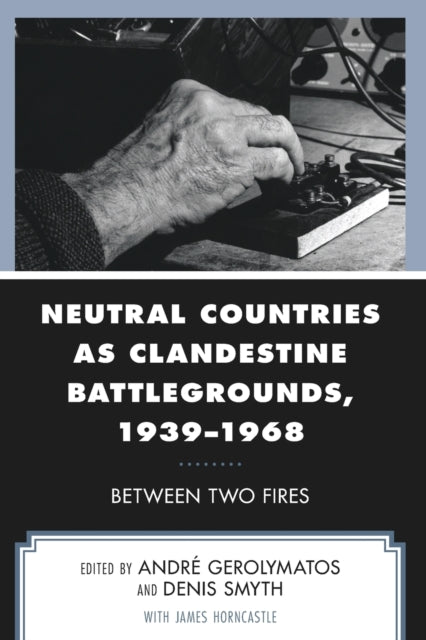
Neutral Countries as Clandestine Battlegrounds, 1939-1968: Between Two Fires
Neutral Countries as Clandestine Battlegrounds, 1939-1968: Between Two Fires
We can order this item for you. Delivery usually takes about 4 to 6 weeks.
This item is not held in our immediate stock. We will order it for you after checkout.
Estimated delivery: About 4 to 6 weeks
- Condition: Brand new
- UK Delivery times: Usually arrives within 2 - 3 working days
- UK Shipping: Fee starts at £3.89. Subject to product weight & dimension
Bulk ordering. Want 15 or more copies? Get a personalised quote and bigger discounts. Learn more about bulk orders.
Couldn't load pickup availability
- More about Neutral Countries as Clandestine Battlegrounds, 1939-1968: Between Two Fires
During the Second World War and the Cold War, foreign agents conducted intelligence-gathering, sabotage, and subversive operations inside neutral countries to damage their opponents' interests. This collection examines the risks of espionage operations on neutral soil and the dangers they posed for neutral states' governments. The contributors argue that neutral states developed security policies to protect their sovereignty without provoking overt hostility from any of the great powers.
Format: Paperback / softback
Length: 285 pages
Publication date: 15 July 2021
Publisher: Lexington Books
During the Second World War and the subsequent Cold War, foreign agents engaged in a range of intelligence-gathering, sabotage, and subversive operations within neutral countries to undermine their opponents' interests. This collection of essays explores the risks and dangers associated with espionage operations on neutral soil, as well as the impact these covert activities had on the governments of neutral states. The contributors argue that neutral states sought to avoid direct involvement in the conflicts of the great powers by developing security policies that prioritized their sovereignty without provoking overt hostility.
The essays in this collection provide insight into how the warring parties engaged in competition on neutral territory, and how neutral governments responded to the existential challenge posed by international spies, their own venal officials, and even foreign assassins. They examine the strategies employed by neutral states to detect and counter espionage activities, as well as the challenges they faced in maintaining their independence and integrity in the face of external pressures.
One of the key themes of the collection is the role of neutral countries in facilitating international diplomacy and peacekeeping efforts. Neutral states often served as intermediaries between conflicting parties, allowing for negotiations and agreements to be reached without the direct involvement of great powers. However, this role also placed neutral states at risk of being used as pawns in geopolitical games, with their sovereignty and independence being threatened by external forces.
Another important aspect of the collection is the impact of espionage operations on neutral countries' economies and societies. These operations can disrupt trade and investment, undermine economic stability, and create social unrest. They can also provide intelligence to opposing parties, which can be used to advantage in military conflicts.
The collection also explores the ethical and legal considerations surrounding espionage operations on neutral soil. While some argue that these operations are necessary to protect national security, others argue that they violate international law and undermine the principles of sovereignty and self-determination.
In conclusion, this collection provides a comprehensive analysis of the risks and dangers associated with espionage operations on neutral soil during the Second World War and the subsequent Cold War. It sheds light on the strategies employed by neutral states to protect their sovereignty and integrity, as well as the challenges they faced in navigating the complex geopolitical landscape. The essays in this collection are a valuable resource for scholars, policymakers, and anyone interested in understanding the history and implications of espionage in the modern world.
Weight: 395g
Dimension: 221 x 154 x 16 (mm)
ISBN-13: 9781498583220
UK and International shipping information
UK and International shipping information
We deliver throughout the United Kingdom and to 128 countries and territories worldwide, including the United States, Australia, Canada, Germany, Spain and France.