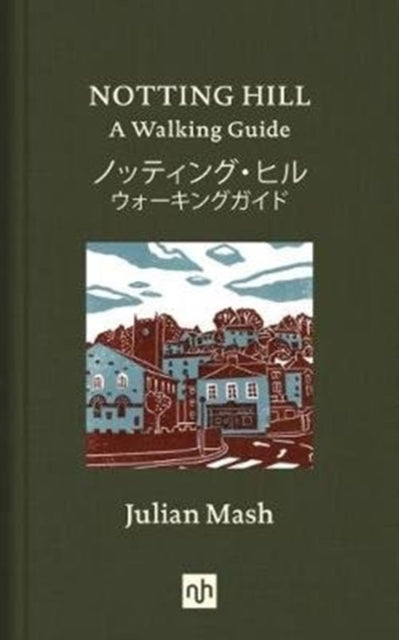
Julian Mash
Notting Hill: A Walking Guide
Notting Hill: A Walking Guide
YOU SAVE £3.50
- Condition: Brand new
- UK Delivery times: Usually arrives within 2 - 3 working days
- UK Shipping: Fee starts at £3.89. Subject to product weight & dimension
Bulk ordering. Want 15 or more copies? Get a personalised quote and bigger discounts. Learn more about bulk orders.
Couldn't load pickup availability
- More about Notting Hill: A Walking Guide
Julian Mash's walking guide to Notting Hill explores its countercultural roots, offering a delightful English/Japanese pocket-size guide to the popular district. It features four walks and includes historical, cultural, and character information, with photographic images and maps. Suitable for tourists and residents alike.
Format: Hardback
Publication date: 10 July 2018
Publisher: Notting Hill Editions
Notting Hill, a vibrant and culturally rich neighborhood in London, has a fascinating history and a unique countercultural heritage. In this delightful English/Japanese pocket-size guide, London writer Julian Mash takes readers on a journey through the district's past, exploring its history, culture, and the fascinating characters that have made it so iconic. The guide is beautifully laid out, with several photographic images and four hand-drawn maps, making it an essential companion for both tourists and residents alike.
Notting Hill's history dates back to the 17th century when it was a rural village outside of London. However, it began to transform in the 19th century with the arrival of the railway and the growth of the textile industry. The area became a hub for immigrants, particularly from Eastern Europe and the Caribbean, and it was known for its vibrant street markets and multicultural atmosphere.
One of the most notable features of Notting Hill is its architecture. The area is home to a mix of Victorian and Edwardian buildings, many of which have been preserved and restored. These buildings include grand townhouses, terraced houses, and churches, and they provide a glimpse into the past. Some of the most famous buildings in Notting Hill include the Portobello Road Market, the Royal Albert Hall, and the Notting Hill Gate Hotel.
Notting Hill's culture is also diverse and vibrant. The area is known for its music, art, and literature, and it has been home to many famous artists and writers over the years. The Notting Hill Carnival, which takes place every August, is one of the world's largest street festivals and is a celebration of Caribbean culture. The area is also home to several museums and galleries, including the Tate Modern and the Serpentine Gallery.
Notting Hill's countercultural heritage is perhaps its most famous feature. The area has been a hub for alternative lifestyles and has been home to many famous figures, including the Beatles, Jimi Hendrix, and Bob Marley. The area has also been a center for the gay rights movement, and it has been home to many LGBTQ+ organizations and events.
Despite its popularity, Notting Hill has faced its challenges over the years. The area has been gentrified, and many of its original residents have been forced to move out. However, there are still many pockets of the area that remain authentic and vibrant. The Notting Hill Carnival continues to be a major event, and the area is home to many independent businesses and restaurants.
In this guide, Julian Mash takes readers on four walks through Notting Hill, exploring the different neighborhoods and landmarks. The walks include the Portobello Road Market, the Royal Albert Hall, the Notting Hill Gate Hotel, and the Notting Hill Carnival. Each walk includes detailed information about the history, culture, and architecture of the area, as well as tips on where to eat, drink, and shop.
One of the highlights of the guide is the photographic images and hand-drawn maps. The images provide a visual representation of the area's architecture and landmarks, while the maps help readers navigate the area. The maps are also designed to be easy to use, and they include information about public transportation and parking.
In addition to the walks, the guide also includes information about the area's history and culture. Julian Mash provides a detailed account of the area's development, including the arrival of the railway and the growth of the textile industry. He also discusses the impact of immigration on the area's culture and the development of the gay rights movement.
The guide also includes tips on how to get the most out of your visit to Notting Hill. Julian Mash provides advice on where to stay, eat, and shop, and he also suggests some of the best events and activities to take part in. He also provides information about the area's transportation options, including the London Underground and the bus network.
Overall, this delightful English/Japanese pocket-size guide to London's Notting Hill is a must-read for anyone interested in the area's history, culture, and fascinating characters. The guide is beautifully laid out, with several photographic images and four hand-drawn maps, and it provides a wealth of information about the area's past, present, and future. Whether you are a tourist or a resident, this guide will help you make the most of your visit to Notting Hill.
Notting Hill, a vibrant and culturally rich neighborhood in London, has a fascinating history and a unique countercultural heritage. In this delightful English/Japanese pocket-size guide, London writer Julian Mash takes readers on a journey through the district's past, exploring its history, culture, and the fascinating characters that have made it so iconic. The guide is beautifully laid out, with several photographic images and four hand-drawn maps, making it an essential companion for both tourists and residents alike.
Notting Hill's history dates back to the 17th century when it was a rural village outside of London. However, it began to transform in the 19th century with the arrival of the railway and the growth of the textile industry. The area became a hub for immigrants, particularly from Eastern Europe and the Caribbean, and it was known for its vibrant street markets and multicultural atmosphere.
One of the most notable features of Notting Hill is its architecture. The area is home to a mix of Victorian and Edwardian buildings, many of which have been preserved and restored. These buildings include grand townhouses, terraced houses, and churches, and they provide a glimpse into the past. Some of the most famous buildings in Notting Hill include the Portobello Road Market, the Royal Albert Hall, and the Notting Hill Gate Hotel.
Notting Hill's culture is also diverse and vibrant. The area is known for its music, art, and literature, and it has been home to many famous artists and writers over the years. The Notting Hill Carnival, which takes place every August, is one of the world's largest street festivals and is a celebration of Caribbean culture. The area is also home to several museums and galleries, including the Tate Modern and the Serpentine Gallery.
Notting Hill's countercultural heritage is perhaps its most famous feature. The area has been a hub for alternative lifestyles and has been home to many famous figures, including the Beatles, Jimi Hendrix, and Bob Marley. The area has also been a center for the gay rights movement, and it has been home to many LGBTQ+ organizations and events.
Despite its popularity, Notting Hill has faced its challenges over the years. The area has been gentrified, and many of its original residents have been forced to move out. However, there are still many pockets of the area that remain authentic and vibrant. The Notting Hill Carnival continues to be a major event, and the area is home to many independent businesses and restaurants.
In this guide, Julian Mash takes readers on four walks through Notting Hill, exploring the different neighborhoods and landmarks. The walks include the Portobello Road Market, the Royal Albert Hall, the Notting Hill Gate Hotel, and the Notting Hill Carnival. Each walk includes detailed information about the history, culture, and architecture of the area, as well as tips on where to eat, drink, and shop.
One of the highlights of the guide is the photographic images and hand-drawn maps. The images provide a visual representation of the area's architecture and landmarks, while the maps help readers navigate the area. The maps are also designed to be easy to use, and they include information about public transportation and parking.
In addition to the walks, the guide also includes information about the area's history and culture. Julian Mash provides a detailed account of the area's development, including the arrival of the railway and the growth of the textile industry. He also discusses the impact of immigration on the area's culture and the development of the gay rights movement.
The guide also includes tips on how to get the most out of your visit to Notting Hill. Julian Mash provides advice on where to stay, eat, and shop, and he also suggests some of the best events and activities to take part in. He also provides information about the area's transportation options, including the London Underground and the bus network.
Overall, this delightful English/Japanese pocket-size guide to London's Notting Hill is a must-read for anyone interested in the area's history, culture, and fascinating characters. The guide is beautifully laid out, with several photographic images and four hand-drawn maps, and it provides a wealth of information about the area's past, present, and future. Whether you are a tourist or a resident, this guide will help you make the most of your visit to Notting Hill.
Weight: 216g
Dimension: 186 x 165 x 15 (mm)
ISBN-13: 9781910749944
UK and International shipping information
UK and International shipping information
We deliver throughout the United Kingdom and to 128 countries and territories worldwide, including the United States, Australia, Canada, Germany, Spain and France.