Ran Zwigenberg
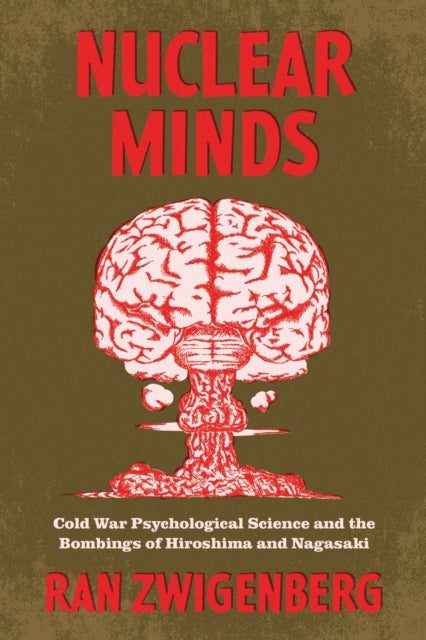
Nuclear Minds: Cold War Psychological Science and the Bombings of Hiroshima and Nagasaki
Nuclear Minds: Cold War Psychological Science and the Bombings of Hiroshima and Nagasaki
💎 Earn 132 Points (£1.32) on this item.
YOU SAVE £1.57
- Condition: Brand new
- UK Delivery times: Usually arrives within 2 - 3 working days
- UK Shipping: Fee starts at £2.39. Subject to product weight & dimension
Bulk ordering. Want 15 or more copies? Get a personalised quote and bigger discounts. Learn more about bulk orders.
Couldn't load pickup availability
- More about Nuclear Minds: Cold War Psychological Science and the Bombings of Hiroshima and Nagasaki
Format: Paperback / softback
Length: 304 pages
Publication date: 25 July 2023
Publisher: The University of Chicago Press
In 1945, researchers embarked on a mission to Hiroshima with the United States Strategic Bombing Survey, seeking to understand the profound effects of nuclear warfare on the human psyche. This marked the inception of a global endeavor, involving psychiatrists, psychologists, and other social scientists, to grapple with the intricate ways in which the nuclear age impacted human minds. A trans-Pacific research network was established, generating vast amounts of data on the bombings and subsequent nuclear tests conducted in and around the Pacific rim.
Ran Zwigenberg delves into these efforts and the diverse interpretations they received within communities of researchers and victims. He explores how the psychological impact of the bombs on survivors was understood prior to the concept of post-traumatic stress disorder. In fact, psychological and psychiatric research on Hiroshima and Nagasaki rarely referred to trauma or similar categories. Instead, institutional and political constraints, particularly the entanglement of the psychological sciences with Cold War science, led researchers to focus on short-term damage and somatic reactions or, in some cases, on denying the suffering of victims. Consequently, very few doctors attempted to alleviate the suffering of survivors.
However, Zwigenberg argues that it was not only that doctors failed to diagnose the right condition; the experiences of victims also did not necessarily align with our contemporary expectations. As he demonstrates, the category of trauma should not be applied uncritically in non-Western contexts. Consequently, this book aims to understand the historical, cultural, and scientific constraints within which researchers and victims operated, as well as to examine the limitations of applying trauma-based diagnoses in such contexts.
The book proceeds by exploring the historical background of the bombings, including the political and military context in which they occurred. It also examines the cultural and societal factors that shaped the response to the trauma, including the impact of propaganda and the stigma associated with mental illness. The scientific understanding of the effects of radiation on the human body is also discussed, including the development of radiation sickness and the long-term health consequences of exposure to nuclear radiation.
In the second part of the book, Zwigenberg focuses on the experiences of survivors and victims of the bombings. He interviews survivors and victims, as well as their families and caregivers, to gather firsthand accounts of their experiences. He also analyzes historical documents and official reports to gain a broader understanding of the impact of the bombings on communities and individuals.
Through his research, Zwigenberg challenges the conventional narrative of the bombings as a singular event that caused widespread destruction and trauma. He argues that the bombings were part of a broader history of nuclear warfare and violence, and that they were embedded within a complex web of social, cultural, and political factors. He also highlights the ways in which the bombings were experienced differently by different communities, including survivors, victims, and their families and caregivers.
Zwigenberg argues that the concept of post-traumatic stress disorder (PTSD) was not developed until much later, in the 1980s and 1990s. He suggests that the medical and psychological understanding of trauma was influenced by the political and cultural context in which it was developed, and that it was often shaped by Western perspectives and assumptions. He argues that the experiences of survivors and victims of the bombings should be understood within the broader context of their historical and cultural experiences, and that a trauma-based diagnosis may not always be appropriate or effective.
The book concludes by offering a critical analysis of the ways in which the bombings have been remembered and commemorated. It examines the ways in which the trauma of the bombings has been perpetuated through media, popular culture, and official narratives, and explores the ways in which these representations have shaped public understanding and attitudes toward nuclear warfare and violence.
In conclusion, this book provides a comprehensive and nuanced understanding of the historical, cultural, and scientific constraints within which researchers and victims of the bombings operated, as well as the limitations of applying trauma-based diagnoses in non-Western contexts. It challenges the conventional narrative of the bombings as a singular event and highlights the diverse experiences of survivors and victims. Through its critical analysis of the ways in which the bombings have been remembered and commemorated, the book offers a valuable contribution to our understanding of the long-term impact of nuclear warfare and violence on the human psyche
In 1945, researchers embarked on a mission to Hiroshima with the United States Strategic Bombing Survey, seeking to understand the profound effects of nuclear warfare on the human psyche. This marked the inception of a global endeavor, involving psychiatrists, psychologists, and other social scientists, to grapple with the intricate ways in which the nuclear age impacted human minds. A trans-Pacific research network was established, generating vast amounts of data on the bombings and subsequent nuclear tests conducted in and around the Pacific rim.
Ran Zwigenberg delves into these efforts and the diverse interpretations they received within communities of researchers and victims. He explores how the psychological impact of the bombs on survivors was understood prior to the concept of post-traumatic stress disorder. In fact, psychological and psychiatric research on Hiroshima and Nagasaki rarely referred to trauma or similar categories. Instead, institutional and political constraints, particularly the entanglement of the psychological sciences with Cold War science, led researchers to focus on short-term damage and somatic reactions or, in some cases, on denying the suffering of victims. Consequently, very few doctors attempted to alleviate the suffering of survivors.
However, Zwigenberg argues that it was not only that doctors failed to diagnose the right condition; the experiences of victims also did not necessarily align with our contemporary expectations. As he demonstrates, the category of trauma should not be applied uncritically in non-Western contexts. Consequently, this book aims to understand the historical, cultural, and scientific constraints within which researchers and victims operated, as well as to examine the limitations of applying trauma-based diagnoses in such contexts.
The book proceeds by exploring the historical background of the bombings, including the political and military context in which they occurred. It also examines the cultural and societal factors that shaped the response to the trauma, including the impact of propaganda and the stigma associated with mental illness. The scientific understanding of the effects of radiation on the human body is also discussed, including the development of radiation sickness and the long-term health consequences of exposure to nuclear radiation.
In the second part of the book, Zwigenberg focuses on the experiences of survivors and victims of the bombings. He interviews survivors and victims, as well as their families and caregivers, to gather firsthand accounts of their experiences. He also analyzes historical documents and official reports to gain a broader understanding of the impact of the bombings on communities and individuals.
Through his research, Zwigenberg challenges the conventional narrative of the bombings as a singular event that caused widespread destruction and trauma. He argues that the bombings were part of a broader history of nuclear warfare and violence, and that they were embedded within a complex web of social, cultural, and political factors. He also highlights the ways in which the bombings were experienced differently by different communities, including survivors, victims, and their families and caregivers.
Zwigenberg argues that the concept of post-traumatic stress disorder (PTSD) was not developed until much later, in the 1980s and 1990s. He suggests that the medical and psychological understanding of trauma was influenced by the political and cultural context in which it was developed, and that it was often shaped by Western perspectives and assumptions. He argues that the experiences of survivors and victims of the bombings should be understood within the broader context of their historical and cultural experiences, and that a trauma-based diagnosis may not always be appropriate or effective.
The book concludes by offering a critical analysis of the ways in which the bombings have been remembered and commemorated. It examines the ways in which the trauma of the bombings has been perpetuated through media, popular culture, and official narratives, and explores the ways in which these representations have shaped public understanding and attitudes toward nuclear warfare and violence.
In conclusion, this book provides a comprehensive and nuanced understanding of the historical, cultural, and scientific constraints within which researchers and victims of the bombings operated, as well as the limitations of applying trauma-based diagnoses in non-Western contexts. It challenges the conventional narrative of the bombings as a singular event and highlights the diverse experiences of survivors and victims. Through its critical analysis of the ways in which the bombings have been remembered and commemorated, the book offers a valuable contribution to our understanding of the long-term impact of nuclear warfare and violence on the human psyche.
Weight: 488g
Dimension: 151 x 230 x 20 (mm)
ISBN-13: 9780226826769
UK and International shipping information
UK and International shipping information
UK Delivery and returns information:
- Delivery within 2 - 3 days when ordering in the UK.
- Shipping fee for UK customers from £2.39. Fully tracked shipping service available.
- Returns policy: Return within 30 days of receipt for full refund.
International deliveries:
Shulph Ink now ships to Australia, Belgium, Canada, France, Germany, Ireland, Italy, India, Luxembourg Saudi Arabia, Singapore, Spain, Netherlands, New Zealand, United Arab Emirates, United States of America.
- Delivery times: within 5 - 10 days for international orders.
- Shipping fee: charges vary for overseas orders. Only tracked services are available for most international orders. Some countries have untracked shipping options.
- Customs charges: If ordering to addresses outside the United Kingdom, you may or may not incur additional customs and duties fees during local delivery.