Ramesh Manocha
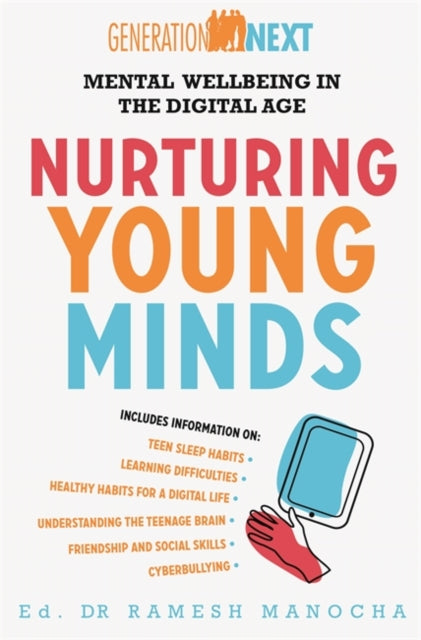
Nurturing Young Minds: Mental Wellbeing in the Digital Age
Nurturing Young Minds: Mental Wellbeing in the Digital Age
💎 Earn 53 Points (£0.53) on this item.
YOU SAVE £4.38
- Condition: Brand new
- UK Delivery times: Usually arrives within 2 - 3 working days
- UK Shipping: Fee starts at £2.39. Subject to product weight & dimension
Bulk ordering. Want 15 or more copies? Get a personalised quote and bigger discounts. Learn more about bulk orders.
Couldn't load pickup availability
- More about Nurturing Young Minds: Mental Wellbeing in the Digital Age
The digital age has brought unique challenges for teenagers and the adults in their lives. Nurturing Young Minds: Mental Wellbeing in the Digital Age provides expert advice on managing online behavior, computer game addiction, cyberbullying, learning disorders, social skills, and emotional health. It also includes up-to-date information on understanding teen sleep, emotions and relationships, the teenage brain, healthy habits for a digital life, online time management, problematic internet use, computer game addiction, sexting, cyberbullying, revenge porn, the gamblification of computer games, violent video games, and violent behavior. Advice for parents includes being a mentor, not a friend, e-mental health programs and interventions, Asperger's, dyslexia and learning difficulties, friendship and social skills, the commercialization of childhood, sexualization, porn as a public health crisis, and understanding and managing anger and aggression.
Format: Paperback / softback
Length: 400 pages
Publication date: 13 September 2018
Publisher: Little, Brown Book Group
The challenges of being a teenager have always been complex, but the advent of the digital age has brought with it a host of unique difficulties for young people and the adults in their lives. In response to these challenges, Nurturing Young Minds: Mental Wellbeing in the Digital Age has been compiled by a team of experts to provide valuable guidance and support for parents, teachers, counselors, and healthcare professionals. This comprehensive and accessible guide offers essential advice on a range of topics, including managing online behavior, combating computer game addiction, addressing cyberbullying, and addressing learning disorders, social skills, and emotional health.
Understanding Teen Sleep and Drowsy Kids:
Teenagers, like adults, require adequate sleep to function optimally. However, many teenagers struggle with sleep deprivation due to various factors, such as late-night screen time, homework, and social activities. This can lead to drowsiness, fatigue, and decreased concentration during the day. Understanding the causes of teenage sleep problems and implementing healthy sleep habits can help improve the mental well-being of young people.
Emotions and Relationships Shape the Brain of Children:
Research has shown that the early years of a child's life play a crucial role in shaping their brain development. Emotions and relationships with caregivers, family members, and peers can have a profound impact on a child's emotional and social development. Understanding the relationship between emotions and brain development can help parents and educators provide supportive environments that promote healthy emotional growth.
Understanding the Teenage Brain:
The teenage brain is a complex organ that undergoes significant changes during the adolescent years. These changes include the development of new cognitive abilities, the emergence of strong emotions, and the increased risk-taking behavior. Understanding the teenage brain can help parents and educators better understand the behavior of their teenagers and provide appropriate support and guidance.
Healthy Habits for a Digital Life:
With the increasing reliance on technology, it is important for young people to develop healthy habits when it comes to their digital lives. This includes limiting screen time, practicing digital detoxes, and being mindful of the content they consume online. Developing healthy habits for a digital life can help reduce the risks of cyberbullying, addiction, and other negative consequences associated with excessive technology use.
Online Time Management:
In the digital age, teenagers are often bombarded with information and distractions from various online platforms. Online time management is crucial for teenagers to manage their time effectively and prioritize their responsibilities. This includes setting boundaries, scheduling time for activities, and avoiding distractions that can hinder their academic and personal growth.
Problematic Internet Use and How to Manage It:
Problematic internet use, including addiction to social media, online gaming, or porn, can have negative consequences on mental health. Understanding the signs of problematic internet use and implementing effective strategies to manage it can help teenagers maintain their mental well-being and avoid the negative impacts of excessive technology use.
Computer Game Addiction and Mental Wellbeing:
Computer game addiction has become a growing concern among teenagers in recent years. Excessive computer game use can lead to social isolation, poor academic performance, and physical health problems. Understanding the factors that contribute to computer game addiction and implementing strategies to address it can help teenagers maintain a healthy balance between technology use and other activities.
Sexting: Realities and Risks:
Sexting, the sending of sexually explicit messages or images via digital devices, has become a common practice among teenagers. While sexting can be a form of self-expression, it can also have negative consequences, such as the spread of sexually transmitted infections, cyberbullying, and emotional distress. Understanding the risks associated with sexting and implementing effective strategies to prevent it can help teenagers protect their mental well-being and avoid legal consequences.
Cyberbullying, Cyber-harassment, and Revenge Porn:
Cyberbullying, cyber-harassment, and revenge porn are forms of online abuse that can have severe psychological and emotional consequences for teenagers. Understanding the nature of these behaviors and implementing effective strategies to prevent and address them can help teenagers protect their mental well-being and avoid the negative impacts of online abuse.
The Gamblification of Computer Games:
Computer games have become increasingly popular among teenagers, but some games have been criticized for their addictive nature and the potential for promoting gambling behavior. Understanding the risks associated with the gamblification of computer games and implementing strategies to promote responsible gaming can help teenagers maintain a healthy relationship with technology and avoid the negative consequences of gambling addiction.
Violent Video Games and Violent Behaviour:
Violent video games have been linked to increased aggression and violent behavior in teenagers. While there is debate about the extent to which video games contribute to violent behavior, it is important for parents and educators to be aware of the potential risks and implement strategies to promote responsible gaming and prevent the negative impacts of violent media.
Talking to Young People about Online Porn and Sexual Images:
With the increasing availability of online porn and sexual images, it is important for teenagers to have open and honest conversations about these topics. This includes discussing the risks associated with online porn, the importance of consent, and the importance of respecting boundaries. By having these conversations, teenagers can develop a healthy understanding of sexual behavior and protect their mental well-being from the negative consequences of sexual exploitation.
Advice for Parents: Be a Mentor, Not a Friend:
As parents, it is important to be a mentor and guide to your teenagers rather than a friend. This means providing support, guidance, and boundaries while also fostering a sense of trust and respect. By being a mentor, parents can help their teenagers develop the skills and knowledge they need to navigate the digital age safely and responsibly.
E-mental Health Programs and Interventions:
E-mental health programs and interventions have become increasingly popular in recent years as a way to address mental health issues among teenagers. These programs can include online counseling, support groups, and educational resources that can help teenagers manage their mental health and cope with the challenges of the digital age.
Could it be Asperger's? Dyslexia and Learning Difficulties:
Asperger's syndrome and dyslexia are two common learning disorders that can affect teenagers. Understanding the symptoms of these disorders and implementing effective strategies to support them can help teenagers develop their academic skills and achieve their full potential.
Friendship and Social Skills:
Friendship and social skills are essential for teenagers to develop healthy relationships and navigate the social dynamics of the digital age. By providing opportunities for social interaction, promoting positive communication skills, and fostering a sense of empathy and understanding, parents and educators can help teenagers develop the social skills they need to thrive in the digital age.
The Commercialisation of Childhood:
The commercialization of childhood has become a concern for many parents and educators. The pressure to buy toys, clothes, and other products targeted at children can lead to materialism, consumerism, and a sense of entitlement. By promoting a more balanced approach to childhood, parents and educators can help teenagers develop a sense of gratitude, respect, and responsibility for the world around them.
Sexualisation: Why Should we be Concerned?
Sexualisation is the process of promoting sexual behaviour and attitudes in children and teenagers. While some argue that it is a natural part of human development, others argue that it can have negative consequences, such as promoting sexual exploitation, body shaming, and gender inequality. By promoting a more respectful and inclusive approach to sexuality, parents and educators can help teenagers develop a healthy understanding of their bodies and relationships and protect their mental well-being from the negative impacts of sexualisation.
Porn as a Public Health Crisis:
Pornography has become a prevalent issue in society, with millions of people accessing it online. While some argue that it is a harmless form of entertainment, others argue that it can have negative consequences, such as promoting unrealistic expectations about sex, promoting sexual violence, and contributing to sexual addiction. By promoting a more informed and responsible approach to porn, parents and educators can help teenagers develop a healthy understanding of sexuality and protect their mental well-being from the negative impacts of porn consumption.
How Boys are Travelling and What They Most Need:
Boys, like girls, are unique individuals with their own set of needs and challenges. Understanding the unique needs of boys and providing them with the support and guidance they need can help them develop their skills, build healthy relationships, and achieve their full potential. By promoting a more inclusive and supportive approach to boys' development, parents and educators can help them thrive in the digital age.
Understanding and Managing Anger and Aggression:
Anger and aggression are common emotions that teenagers experience. Understanding the causes of these emotions and implementing effective strategies to manage them can help teenagers develop healthy coping mechanisms and avoid the negative consequences of anger and aggression. By promoting a more peaceful and respectful approach to conflict, parents and educators can help teenagers develop the social skills they need to navigate the digital age safely and responsibly.
Understanding Boys' Health Needs:
Boys have unique health needs that differ from those of girls. Understanding these needs and providing them with the appropriate support and guidance can help boys develop healthy habits, maintain good physical health, and avoid the negative consequences of unhealthy behaviors. By promoting a more proactive and preventive approach to boys' health, parents and educators can help them thrive in the digital age and lead healthy and fulfilling lives.
In conclusion, the digital age has brought with it a host of unique challenges for teenagers and the adults in their lives. Nurturing Young Minds: Mental Wellbeing in the Digital Age provides valuable guidance and support for parents, teachers, counselors, and healthcare professionals to help them navigate these challenges and promote the mental well-being of young people. By understanding the unique needs of teenagers, implementing effective strategies to manage online behavior, combating addiction, addressing cyberbullying, and promoting healthy habits, we can help teenagers thrive in the digital age and lead fulfilling and healthy lives.
Weight: 524g
Dimension: 229 x 171 x 29 (mm)
ISBN-13: 9781472141965
UK and International shipping information
UK and International shipping information
UK Delivery and returns information:
- Delivery within 2 - 3 days when ordering in the UK.
- Shipping fee for UK customers from £2.39. Fully tracked shipping service available.
- Returns policy: Return within 30 days of receipt for full refund.
International deliveries:
Shulph Ink now ships to Australia, Belgium, Canada, France, Germany, Ireland, Italy, India, Luxembourg Saudi Arabia, Singapore, Spain, Netherlands, New Zealand, United Arab Emirates, United States of America.
- Delivery times: within 5 - 10 days for international orders.
- Shipping fee: charges vary for overseas orders. Only tracked services are available for most international orders. Some countries have untracked shipping options.
- Customs charges: If ordering to addresses outside the United Kingdom, you may or may not incur additional customs and duties fees during local delivery.