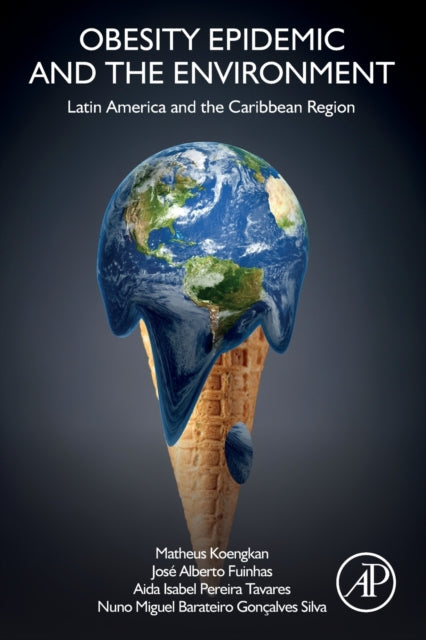
Matheus, Evora, Portugal) Koengkan,Jose Alberto, Coimbra, Portugal) Fuinhas,Aida Isabel P.Tavares,NunoSilva
Obesity Epidemic and the Environment: Latin America and the Caribbean Region
Obesity Epidemic and the Environment: Latin America and the Caribbean Region
💎 Earn 508 Points (£5.08) on this item.
YOU SAVE £13.22
- Condition: Brand new
- UK Delivery times: Usually arrives within 2 - 3 working days
- UK Shipping: Fee starts at £2.39. Subject to product weight & dimension
Bulk ordering. Want 15 or more copies? Get a personalised quote and bigger discounts. Learn more about bulk orders.
Couldn't load pickup availability
- More about Obesity Epidemic and the Environment: Latin America and the Caribbean Region
Obesity Epidemic and the Environment: Latin America and the Caribbean Region explores the macroeconomic impact of obesity on environmental degradation in the LAC region,using case studies to draw critical conclusions and provide practical tools for addressing health,energy,and environmental challenges.
Format: Paperback / softback
Length: 312 pages
Publication date: 21 October 2022
Publisher: Elsevier Science & Technology
The obesity epidemic in Latin America and the Caribbean (LAC) region has far-reaching macroeconomic consequences that significantly contribute to environmental degradation. This comprehensive analysis delves into the intricate relationship between obesity and environmental degradation, shedding light on the complex interplay between economic growth, globalization, and environmental sustainability. Through a series of case studies, this book combines theoretical frameworks with practical insights to draw critical conclusions and provide valuable policy implications. Designed for researchers, policymakers, international organizations, and practitioners across diverse fields, particularly those in public health, health economics, energy and environmental economics, and social sciences, this book serves as a vital resource in understanding the obesity epidemic in the LAC region.
The obesity epidemic in the LAC region has emerged as a pressing public health concern. The surge in obesity prevalence can be attributed to various factors, including the economic benefits derived from liberalization, privatization, increased foreign investment, and infrastructure development. These economic transformations have fostered a shift in dietary habits, with a growing preference for processed foods, sugary beverages, and sedentary lifestyles, leading to a rise in obesity rates.
The consequences of obesity on the environment are profound. Firstly, the increased demand for energy and resources to support the growing population of obese individuals contributes to greenhouse gas emissions and climate change. The production, transportation, and disposal of food, as well as the energy required for physical activity, contribute to the emission of carbon dioxide, methane, and other pollutants, exacerbating the issue of global warming. Additionally, the increased demand for healthcare services and the associated costs associated with obesity-related illnesses further strain the healthcare system and contribute to economic burdens.
Furthermore, obesity has negative impacts on ecosystems and biodiversity. The expansion of agricultural land for food production, as well as the increased use of fertilizers and pesticides, degrades soil quality, reduces water availability, and disrupts natural habitats. The increased demand for meat and dairy products, driven by the growing population of obese individuals, also contributes to deforestation, water pollution, and greenhouse gas emissions from animal agriculture.
Addressing the obesity epidemic in the LAC region requires a multi-faceted approach. It involves promoting healthy eating habits, increasing physical activity, and implementing policies that promote sustainable agriculture and food systems. Governments, international organizations, and healthcare providers can play crucial roles in implementing these measures, fostering collaboration and promoting sustainable development.
In conclusion, the obesity epidemic in the LAC region presents a complex challenge that requires urgent attention. By understanding the macroeconomic impact of obesity on environmental degradation, this book provides valuable insights and tools for policymakers, researchers, and practitioners to address this pressing issue. Through collaborative efforts and sustainable practices, it is possible to mitigate the environmental consequences of obesity and create a healthier and more sustainable future for the LAC region and beyond.
Weight: 502g
Dimension: 229 x 150 x 21 (mm)
ISBN-13: 9780323993395
This item can be found in:
UK and International shipping information
UK and International shipping information
UK Delivery and returns information:
- Delivery within 2 - 3 days when ordering in the UK.
- Shipping fee for UK customers from £2.39. Fully tracked shipping service available.
- Returns policy: Return within 30 days of receipt for full refund.
International deliveries:
Shulph Ink now ships to Australia, Belgium, Canada, France, Germany, Ireland, Italy, India, Luxembourg Saudi Arabia, Singapore, Spain, Netherlands, New Zealand, United Arab Emirates, United States of America.
- Delivery times: within 5 - 10 days for international orders.
- Shipping fee: charges vary for overseas orders. Only tracked services are available for most international orders. Some countries have untracked shipping options.
- Customs charges: If ordering to addresses outside the United Kingdom, you may or may not incur additional customs and duties fees during local delivery.