Shulph Ink
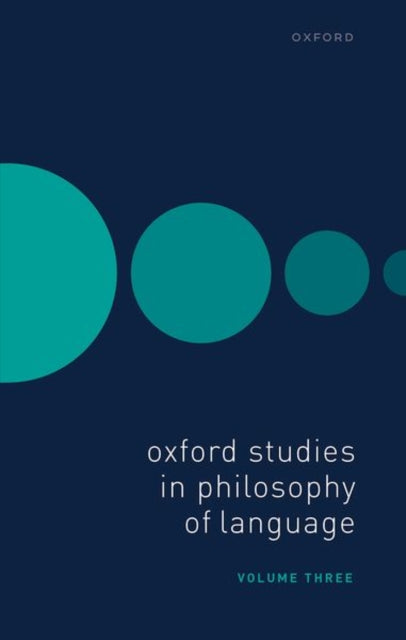
Oxford Studies in Philosophy of Language Volume 3
Oxford Studies in Philosophy of Language Volume 3
💎 Earn 424 Points (£4.24) on this item.
We can order this item for you. Delivery usually takes about 4 to 6 weeks.
This item is not held in our immediate stock. We will order it for you after checkout.
Estimated delivery: About 4 to 6 weeks
- Condition: Brand new
- UK Delivery times: Usually arrives within 2 - 3 working days
- UK Shipping: Fee starts at £3.89. Subject to product weight & dimension
Bulk ordering. Want 15 or more copies? Get a personalised quote and bigger discounts. Learn more about bulk orders.
Couldn't load pickup availability
- More about Oxford Studies in Philosophy of Language Volume 3
The philosophy of language has been a central focus of philosophical research since the 20th century, and Oxford Studies in Philosophy of Language provides a platform for outstanding original work in this area.
Format: Hardback
Length: 288 pages
Publication date: 07 November 2023
Publisher: Oxford University Press
The study of language has been a central focus of philosophical inquiry since the dawn of the 20th century. Since that linguistic turn, much of the most significant work in philosophy has been related to language. However, until now, there has been no dedicated forum for presenting outstanding original research in this field. That is where Oxford Studies in Philosophy of Language comes in. Whether you are a novice interested in exploring the latest developments in philosophy of language or a seasoned scholar seeking to delve deeper into this complex and fascinating area, these volumes are an excellent starting point.
The study of language has a rich and complex history, dating back to the earliest civilizations. Linguists have studied the structure, meaning, and evolution of language for centuries, and their work has had a profound impact on many other fields, including psychology, sociology, and neuroscience. In recent years, the study of language has become even more important as our understanding of the brain and how it processes language has grown.
One of the key questions in philosophy of language is the nature of meaning. Philosophers have argued for centuries about what exactly meaning is and how it is conveyed. Some philosophers argue that meaning is inherent in the language itself, while others argue that it is created by the mind of the speaker or listener. Another important question is the relationship between language and thought. Philosophers have argued that language is a tool for thinking, but some argue that it is more than that. Language can shape our thoughts and beliefs, and it can also be used to communicate ideas that are impossible to express through other means.
Philosophy of language also explores the role of language in society. How does language shape our social interactions and our understanding of the world? How does language contribute to the formation of our identities and our relationships with others? Philosophers have also explored the ethical implications of language, such as the ways in which language can be used to harm or exploit others.
One of the most important contributions of philosophy of language to our understanding of the world is its ability to shed light on the nature of consciousness. Philosophers have argued that language is essential to our ability to think and to communicate, and that it is through language that we gain access to our own minds and the minds of others. This understanding of language has led to new insights into the nature of consciousness and the relationship between the mind and the body.
In conclusion, the study of language has been a central focus of philosophical inquiry since the dawn of the 20th century. Oxford Studies in Philosophy of Language offers a valuable forum for presenting outstanding original research in this field. Whether you are a novice interested in exploring the latest developments in philosophy of language or a seasoned scholar seeking to delve deeper into this complex and fascinating area, these volumes are an excellent starting point. The study of language has a rich and complex history, dating back to the earliest civilizations. Linguists have studied the structure, meaning, and evolution of language for centuries, and their work has had a profound impact on many other fields, including psychology, sociology, and neuroscience. In recent years, the study of language has become even more important as our understanding of the brain and how it processes language has grown. One of the key questions in philosophy of language is the nature of meaning. Philosophers have argued for centuries about what exactly meaning is and how it is conveyed. Some philosophers argue that meaning is inherent in the language itself, while others argue that it is created by the mind of the speaker or listener. Another important question is the relationship between language and thought. Philosophers have argued that language is a tool for thinking, but some argue that it is more than that. Language can shape our thoughts and beliefs, and it can also be used to communicate ideas that are impossible to express through other means. Philosophy of language also explores the role of language in society. How does language shape our social interactions and our understanding of the world? How does language contribute to the formation of our identities and our relationships with others? Philosophers have also explored the ethical implications of language, such as the ways in which language can be used to harm or exploit others. One of the most important contributions of philosophy of language to our understanding of the world is its ability to shed light on the nature of consciousness. Philosophers have argued that language is essential to our ability to think and to communicate, and that it is through language that we gain access to our own minds and the minds of others. This understanding of language has led to new insights into the nature of consciousness and the relationship between the mind and the body. In conclusion, the study of language has been a central focus of philosophical inquiry since the dawn of the 20th century. Oxford Studies in Philosophy of Language offers a valuable forum for presenting outstanding original research in this field. Whether you are a novice interested in exploring the latest developments in philosophy of language or a seasoned scholar seeking to delve deeper into this complex and fascinating area, these volumes are an excellent starting point.
Weight: 476g
Dimension: 148 x 224 x 23 (mm)
ISBN-13: 9780198892724
UK and International shipping information
UK and International shipping information
We deliver throughout the United Kingdom and to 128 countries and territories worldwide, including the United States, Australia, Canada, Germany, Spain and France.