Shulph Ink
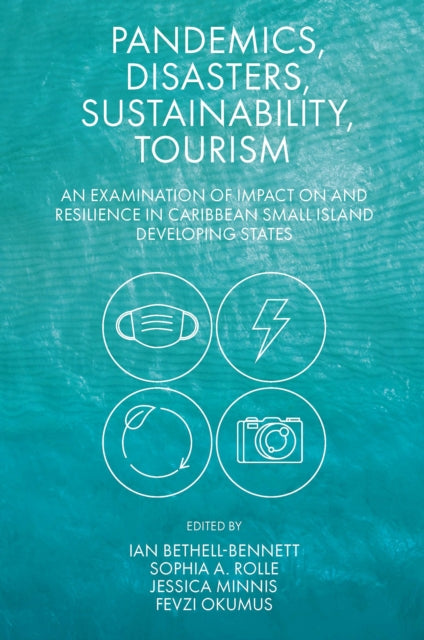
Pandemics, Disasters, Sustainability, Tourism: An Examination of Impact on and Resilience in Caribbean Small Island Developing States
Pandemics, Disasters, Sustainability, Tourism: An Examination of Impact on and Resilience in Caribbean Small Island Developing States
💎 Earn 369 Points (£3.69) on this item.
- Condition: Brand new
- UK Delivery times: Usually arrives within 2 - 3 working days
- UK Shipping: Fee starts at £2.39. Subject to product weight & dimension
Bulk ordering. Want 15 or more copies? Get a personalised quote and bigger discounts. Learn more about bulk orders.
Couldn't load pickup availability
- More about Pandemics, Disasters, Sustainability, Tourism: An Examination of Impact on and Resilience in Caribbean Small Island Developing States
Caribbean small island developing states (SIDS) have experienced significant upheaval and change over the past decade and a half, including economic recession, earthquakes, hurricanes, volcanic eruptions, and health crises. This book explores the resilience of Caribbean SIDS and their tourism industries from the perspectives of culture, economy, environment, politics, psychology, social justice, and socio-historical context, engaging scholars, students, and the public in discourse regarding sustainable tourism and hospitality development.
Format: Hardback
Length: 264 pages
Publication date: 04 August 2022
Publisher: Emerald Publishing Limited
Caribbean small island developing states (SIDS) have undergone significant upheaval and transformation over the past decade and a half. This period has seen a range of challenges, including the global economic recession of 2008, the devastating earthquakes in Haiti in 2010 and 2021, the impact of hurricanes such as Jamaica, Barbuda, Dominica, and The Bahamas, volcanic eruptions, and health crises. These events serve as stark reminders of the vulnerability of Caribbean SIDS to external and internal shocks.
In the face of these adversities, Caribbean SIDS are now grappling with the task of restarting their economies and embracing a "new normal" in the aftermath of disasters and the significant losses in tourism. This essay aims to examine the resilience of Caribbean SIDS and their tourism industries from various perspectives, including culture, economy, environment, politics, psychology, social justice, and socio-historical context.
Pandemics, Disasters, Sustainability, and Tourism is a multidisciplinary publication that seeks to engage scholars, students, and the broader public in discourse regarding the resilience of Caribbean SIDS' island economies. It addresses broad-based topics that engage scholars, students, and the public in exploring innovative initiatives and environmentally sound policies for sustainable tourism and hospitality development in the region.
The essay will first provide an overview of the challenges faced by Caribbean SIDS in recent years. It will then explore the cultural, economic, environmental, political, psychological, social justice, and socio-historical factors that contribute to their resilience. The essay will also examine the role of tourism in Caribbean SIDS' economies and the impact of disasters on tourism.
The cultural dimension of resilience is crucial in understanding the ability of Caribbean SIDS to adapt and recover from disasters. Culture plays a significant role in shaping the attitudes, values, and behaviors of individuals and communities, which in turn influence their response to adversity. Caribbean SIDS have a rich and diverse cultural heritage that includes music, dance, art, cuisine, and religion. These cultural practices provide a sense of identity, community, and resilience, which can help individuals and communities cope with the challenges of disaster.
For example, the music and dance of the Caribbean have been used as a means of expressing resilience and hope in the face of adversity. During the 2010 earthquake in Haiti, musicians and dancers used their talents to raise funds for relief efforts and to provide emotional support to those affected by the disaster. Similarly, the art and cuisine of the Caribbean have been used to promote tourism and to showcase the region's cultural heritage.
The economic dimension of resilience is also important in understanding the ability of Caribbean SIDS to recover from disasters. Tourism is a major source of income for many Caribbean SIDS, and the impact of disasters on tourism can be devastating. However, Caribbean SIDS have shown resilience in the face of adversity by implementing innovative tourism policies and practices. For example, many Caribbean SIDS have focused on sustainable tourism development, which aims to minimize the negative impact of tourism on the environment and local communities.
Sustainable tourism development involves promoting eco-friendly practices such as waste reduction, energy conservation, and the use of local products and services. It also involves promoting cultural heritage and local traditions, which can help to attract tourists and to generate income for local businesses.
In addition to sustainable tourism development, Caribbean SIDS have also implemented disaster risk management policies and practices. These policies and practices aim to reduce the risk of disasters and to minimize the impact of disasters on tourism and the local economy. For example, many Caribbean SIDS have developed evacuation plans and emergency response systems, which are used to respond to disasters and to ensure the safety of tourists and local residents.
The environmental dimension of resilience is also important in understanding the ability of Caribbean SIDS to recover from disasters. Climate change is a major threat to the Caribbean region, and the impact of climate change on tourism and the local economy can be significant. Caribbean SIDS have shown resilience in the face of climate change by implementing innovative environmental policies and practices.
For example, many Caribbean SIDS have focused on renewable energy development, which aims to reduce the reliance on fossil fuels and to minimize the negative impact of climate change on the environment. In addition to renewable energy development, Caribbean SIDS have also implemented waste management policies and practices, which aim to reduce the amount of waste that is produced and to promote recycling and reuse.
The political dimension of resilience is also important in understanding the ability of Caribbean SIDS to recover from disasters. Political stability and effective governance are essential for the development of sustainable tourism and the management of disaster risk. Caribbean SIDS have shown resilience in the face of political instability by implementing innovative political policies and practices.
For example, many Caribbean SIDS have focused on promoting political stability and good governance by implementing democratic reforms and by promoting social and economic development. In addition to promoting political stability and good governance, Caribbean SIDS have also implemented disaster risk management policies and practices, which aim to reduce the risk of disasters and to minimize the impact of disasters on tourism and the local economy.
The psychological dimension of resilience is also important in understanding the ability of Caribbean SIDS to recover from disasters. Psychological support and counseling are essential for individuals and communities who have been affected by disasters. Caribbean SIDS have shown resilience in the face of psychological trauma by implementing innovative psychological support and counseling programs.
For example, many Caribbean SIDS have focused on providing psychological support and counseling to individuals and communities who have been affected by disasters. These programs aim to provide emotional support, to promote mental health, and to help individuals and communities cope with the challenges of disaster.
The social justice dimension of resilience is also important in understanding the ability of Caribbean SIDS to recover from disasters. Social justice refers to the fair and equitable distribution of resources and opportunities. Caribbean SIDS have shown resilience in the face of social injustice by implementing innovative social justice policies and practices.
For example, many Caribbean SIDS have focused on promoting social inclusion and equity by implementing policies and practices that aim to reduce poverty, to improve access to education and healthcare, and to promote gender equality. In addition to promoting social inclusion and equity, Caribbean SIDS have also implemented disaster risk management policies and practices, which aim to reduce the risk of disasters and to minimize the impact of disasters on tourism and the local economy.
The socio-historical context of resilience is also important in understanding the ability of Caribbean SIDS to recover from disasters. Historical events and experiences can shape the attitudes, values, and behaviors of individuals and communities, which in turn influence their response to adversity. Caribbean SIDS have shown resilience in the face of historical trauma by implementing innovative socio-historical policies and practices.
For example, many Caribbean SIDS have focused on promoting historical awareness and heritage by implementing policies and practices that aim to preserve and promote the region's cultural heritage. In addition to promoting historical awareness and heritage, Caribbean SIDS have also implemented disaster risk management policies and practices, which aim to reduce the risk of disasters and to minimize the impact of disasters on tourism and the local economy.
In conclusion, Caribbean small island developing states (SIDS) have undergone significant upheaval and transformation over the past decade and a half. This period has seen a range of challenges, including the global economic recession of 2008, the devastating earthquakes in Haiti in 2010 and 2021, the impact of hurricanes such as Jamaica, Barbuda, Dominica, and The Bahamas, volcanic eruptions, and health crises. These events serve as stark reminders of the vulnerability of Caribbean SIDS to external and internal shocks.
In the face of these adversities, Caribbean SIDS are now grappling with the task of restarting their economies and embracing a "new normal" in the aftermath of disasters and the significant losses in tourism. This essay aims to examine the resilience of Caribbean SIDS and their tourism industries from various perspectives, including culture, economy, environment, politics, psychology, social justice, and socio-historical context.
Pandemics, Disasters, Sustainability, and Tourism is a multidisciplinary publication that seeks to engage scholars, students, and the broader public in discourse regarding the resilience of Caribbean SIDS' island economies. It addresses broad-based topics that engage scholars, students, and the public in exploring innovative initiatives and environmentally sound policies for sustainable tourism and hospitality development in the region.
The cultural dimension of resilience is crucial in understanding the ability of Caribbean SIDS to adapt and recover from disasters. Culture plays a significant role in shaping the attitudes, values, and behaviors of individuals and communities, which in turn influence their response to adversity. Caribbean SIDS have a rich and diverse cultural heritage that includes music, dance, art, cuisine, and religion. These cultural practices provide a sense of identity, community, and resilience, which can help individuals and communities cope with the challenges of disaster.
For example, the music and dance of the Caribbean have been used as a means of expressing resilience and hope in the face of adversity. During the 2010 earthquake in Haiti, musicians and dancers used their talents to raise funds for relief efforts and to provide emotional support to those affected by the disaster. Similarly, the art and cuisine of the Caribbean have been used to promote tourism and to showcase the region's cultural heritage.
The economic dimension of resilience is also important in understanding the ability of Caribbean SIDS to recover from disasters. Tourism is a major source of income for many Caribbean SIDS, and the impact of disasters on tourism can be devastating. However, Caribbean SIDS have shown resilience in the face of adversity by implementing innovative tourism policies and practices. For example, many Caribbean SIDS have focused on sustainable tourism development, which aims to minimize the negative impact of tourism on the environment and local communities.
Sustainable tourism development involves promoting eco-friendly practices such as waste reduction, energy conservation, and the use of local products and services. It also involves promoting cultural heritage and local traditions, which can help to attract tourists and to generate income for local businesses.
In addition to sustainable tourism development, Caribbean SIDS have also implemented disaster risk management policies and practices. These policies and practices aim to reduce the risk of disasters and to minimize the impact of disasters on tourism and the local economy. For example, many Caribbean SIDS have developed evacuation plans and emergency response systems, which are used to respond to disasters and to ensure the safety of tourists and local residents.
The environmental dimension of resilience is also important in understanding the ability of Caribbean SIDS to recover from disasters. Climate change is a major threat to the Caribbean region, and the impact of climate change on tourism and the local economy can be significant. Caribbean SIDS have shown resilience in the face of climate change by implementing innovative environmental policies and practices.
For example, many Caribbean SIDS have focused on renewable energy development, which aims to reduce the reliance on fossil fuels and to minimize the negative impact of climate change on the environment. In addition to renewable energy development, Caribbean SIDS have also implemented waste management policies and practices, which aim to reduce the amount of waste that is produced and to promote recycling and reuse.
The political dimension of resilience is also important in understanding the ability of Caribbean SIDS to recover from disasters. Political stability and effective governance are essential for the development of sustainable tourism and the management of disaster risk. Caribbean SIDS have shown resilience in the face of political instability by implementing innovative political policies and practices.
For example, many Caribbean SIDS have focused on promoting political stability and good governance by implementing democratic reforms and by promoting social and economic development. In addition to promoting political stability and good governance, Caribbean SIDS have also implemented disaster risk management policies and practices, which aim to reduce the risk of disasters and to minimize the impact of disasters on tourism and the local economy.
The psychological dimension of resilience is also important in understanding the ability of Caribbean SIDS to recover from disasters. Psychological support and counseling are essential for individuals and communities who have been affected by disasters. Caribbean SIDS have shown resilience in the face of psychological trauma by implementing innovative psychological support and counseling programs.
For example, many Caribbean SIDS have focused on providing psychological support and counseling to individuals and communities who have been affected by disasters. These programs aim to provide emotional support, to promote mental health, and to help individuals and communities cope with the challenges of disaster.
The social justice dimension of resilience is also important in understanding the ability of Caribbean SIDS to recover from disasters. Social justice refers to the fair and equitable distribution of resources and opportunities. Caribbean SIDS have shown resilience in the face of social injustice by implementing innovative social justice policies and practices.
For example, many Caribbean SIDS have focused on promoting social inclusion and equity by implementing policies and practices that aim to reduce poverty, to improve access to education and healthcare, and to promote gender equality. In addition to promoting social inclusion and equity, Caribbean SIDS have also implemented disaster risk management policies and practices, which aim to reduce the risk of disasters and to minimize the impact of disasters on tourism and the local economy.
The socio-historical context of resilience is also important in understanding the ability of Caribbean SIDS to recover from disasters. Historical events and experiences can shape the attitudes, values, and behaviors of individuals and communities, which in turn influence their response to adversity. Caribbean SIDS have shown resilience in the face of historical trauma by implementing innovative socio-historical policies and practices.
For example, many Caribbean SIDS have focused on promoting historical awareness and heritage by implementing policies and practices that aim to preserve and promote the region's cultural heritage. In addition to promoting historical awareness and heritage, Caribbean SIDS have also implemented disaster risk management policies and practices, which aim to reduce the risk of disasters and to minimize the impact of disasters on tourism and the local economy.
In conclusion, Caribbean small island developing states (SIDS) have undergone significant upheaval and transformation over the past decade and a half. This period has seen a range of challenges, including the global economic recession of 2008, the devastating earthquakes in Haiti in 2010 and 2021, the impact of hurricanes such as Jamaica, Barbuda, Dominica, and The Bahamas, volcanic eruptions, and health crises. These events serve as stark reminders of the vulnerability of Caribbean SIDS to external and internal shocks.
In the face of these adversities, Caribbean SIDS are now grappling with the task of restarting their economies and embracing a "new normal" in the aftermath of disasters and the significant losses in tourism. This essay aims to examine the resilience of Caribbean SIDS and their tourism industries from various perspectives, including culture, economy, environment, politics, psychology, social justice, and socio-historical context.
Pandemics, Disasters, Sustainability, and Tourism is a multidisciplinary publication that seeks to engage scholars, students, and the broader public in discourse regarding the resilience of Caribbean SIDS' island economies. It addresses broad-based topics that engage scholars, students, and the public in exploring innovative initiatives and environmentally sound policies for sustainable tourism and hospitality development in the region.
Weight: 510g
Dimension: 161 x 238 x 22 (mm)
ISBN-13: 9781803821061
This item can be found in:
UK and International shipping information
UK and International shipping information
UK Delivery and returns information:
- Delivery within 2 - 3 days when ordering in the UK.
- Shipping fee for UK customers from £2.39. Fully tracked shipping service available.
- Returns policy: Return within 30 days of receipt for full refund.
International deliveries:
Shulph Ink now ships to Australia, Belgium, Canada, France, Germany, Ireland, Italy, India, Luxembourg Saudi Arabia, Singapore, Spain, Netherlands, New Zealand, United Arab Emirates, United States of America.
- Delivery times: within 5 - 10 days for international orders.
- Shipping fee: charges vary for overseas orders. Only tracked services are available for most international orders. Some countries have untracked shipping options.
- Customs charges: If ordering to addresses outside the United Kingdom, you may or may not incur additional customs and duties fees during local delivery.