Shulph Ink
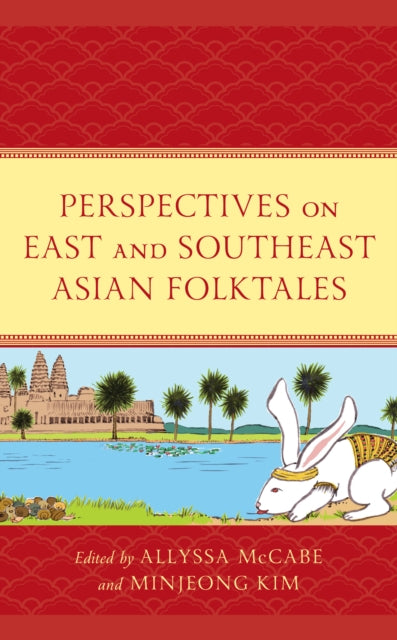
Perspectives on East and Southeast Asian Folktales
Perspectives on East and Southeast Asian Folktales
💎 Earn 169 Points (£1.69) on this item.
We can order this item for you. Delivery usually takes about 4 to 6 weeks.
This item is not held in our immediate stock. We will order it for you after checkout.
Estimated delivery: About 4 to 6 weeks
- Condition: Brand new
- UK Delivery times: Usually arrives within 2 - 3 working days
- UK Shipping: Fee starts at £2.39. Subject to product weight & dimension
Bulk ordering. Want 15 or more copies? Get a personalised quote and bigger discounts. Learn more about bulk orders.
Couldn't load pickup availability
- More about Perspectives on East and Southeast Asian Folktales
Perspectives on East and Southeast Asian Folktales explores folktales from various countries, examining identity, morals, collectivism, violence, scatological references, language socialization, Buddhist values, emotional competence, and idioms and narrative structure, promoting understanding of East and Southeast Asian cultures and oral traditions.
Format: Paperback / softback
Length: 200 pages
Publication date: 31 January 2024
Publisher: Bloomsbury Publishing Plc
Perspectives on East and Southeast Asian Folktales is a comprehensive exploration of folktales from diverse regions of East and Southeast Asia, offering a multidisciplinary approach to understanding these narratives that are unfamiliar to Western audiences. The contributors delve into various aspects of these folktales, including identity issues, morals, collectivism, violence, scatological references, language socialization, representation of Buddhist values, emotional competence, and their relationship to idioms and narrative structure. By highlighting the differences and similarities between East and Southeast Asian and Western folktales, this volume aims to promote a memorable understanding of East and Southeast Asian cultures and their oral traditions.
The book covers a wide range of folktales from countries such as Vietnam, Laos, Cambodia, Burma, China, Japan, and Korea. Each folktale is analyzed in detail, with the contributors providing insights into the cultural, social, and historical contexts in which they were created. The book also explores the ways in which these folktales have been adapted and transformed over time, reflecting the changing values and beliefs of the communities that have passed them down.
One of the key themes of the book is the role of identity in East and Southeast Asian folktales. Folktales often serve as a means of expressing and preserving cultural identity, and the contributors explore how different characters and narratives reflect the values and beliefs of the communities they belong to. For example, in Vietnamese folktales, the protagonist is often a young girl or woman who embodies the values of filial piety, loyalty, and respect for elders. In contrast, in Japanese folktales, the protagonist is often a young boy or man who embodies the values of courage, strength, and perseverance.
Another important theme of the book is the role of morals in East and Southeast Asian folktales. Folktales often contain moral lessons that are intended to teach children and adults about the importance of good behavior and ethical values. For example, in a Vietnamese folktale, a young girl is taught the importance of being kind to others and not stealing from them. In a Japanese folktale, a young boy is taught the importance of being honest and truthful.
Collectivism is another important theme of East and Southeast Asian folktales. Folktales often emphasize the importance of working together and supporting each other, and the contributors explore how this theme is reflected in the narratives. For example, in a Vietnamese folktale, a group of farmers work together to harvest their crops, and in a Japanese folktale, a group of samurai work together to protect their village.
Violence is also a significant theme in East and Southeast Asian folktales. Folktales often depict violence as a means of resolving conflicts, and the contributors explore how this theme is portrayed in the narratives. For example, in a Vietnamese folktale, a young girl is kidnapped by a dragon, and in a Japanese folktale, a samurai is challenged to a duel.
Scatological references are also a common feature of East and Southeast Asian folktales. Folktales often use humor and satire to address social and political issues, and the contributors explore how this theme is reflected in the narratives. For example, in a Vietnamese folktale, a group of farmers are forced to eat their own feces, and in a Japanese folktale, a samurai is forced to eat his own vomit.
Language socialization is another important theme of East and Southeast Asian folktales. Folktales often use language to convey cultural values and beliefs, and the contributors explore how this theme is reflected in the narratives. For example, in a Vietnamese folktale, the use of idioms and proverbs is used to convey cultural values and beliefs, and in a Japanese folktale, the use of kanji is used to convey cultural values and beliefs.
The representation of Buddhist values is also a significant theme of East and Southeast Asian folktales. Folktales often depict Buddhist teachings and practices, and the contributors explore how this theme is reflected in the narratives. For example, in a Vietnamese folktale, a monk teaches a young girl about the importance of mindfulness and meditation, and in a Japanese folktale, a samurai is taught the importance of compassion and kindness.
Emotional competence is also a significant theme of East and Southeast Asian folktales. Folktales often depict characters who experience a range of emotions, and the contributors explore how this theme is reflected in the narratives. For example, in a Vietnamese folktale, a young girl is saddened by the death of her father, and in a Japanese folktale, a samurai is saddened by the death of his master.
In addition to these themes, the book also explores the relationship between East and Southeast Asian folktales and idioms and narrative structure. Folktales often use idioms and narrative structure to convey cultural values and beliefs, and the contributors explore how this relationship is reflected in the narratives. For example, in a Vietnamese folktale, the use of a proverb is used to convey the importance of being patient, and in a Japanese folktale, the use of a haiku is used to convey the beauty of nature.
Overall, Perspectives on East and Southeast Asian Folktales is a valuable resource for anyone interested in learning more about the rich and diverse cultures of East and Southeast Asia. The book offers a multidisciplinary approach to understanding these folktales, and the contributors provide insightful and engaging analyses of the various aspects of these narratives. Whether you are a student of folklore, a teacher, or a general reader, this book is sure to provide you with a memorable understanding of East and Southeast Asian cultures and their oral traditions.
Weight: 299g
Dimension: 228 x 147 x 14 (mm)
ISBN-13: 9781666912906
This item can be found in:
UK and International shipping information
UK and International shipping information
UK Delivery and returns information:
- Delivery within 2 - 3 days when ordering in the UK.
- Shipping fee for UK customers from £2.39. Fully tracked shipping service available.
- Returns policy: Return within 30 days of receipt for full refund.
International deliveries:
Shulph Ink now ships to Australia, Belgium, Canada, France, Germany, Ireland, Italy, India, Luxembourg Saudi Arabia, Singapore, Spain, Netherlands, New Zealand, United Arab Emirates, United States of America.
- Delivery times: within 5 - 10 days for international orders.
- Shipping fee: charges vary for overseas orders. Only tracked services are available for most international orders. Some countries have untracked shipping options.
- Customs charges: If ordering to addresses outside the United Kingdom, you may or may not incur additional customs and duties fees during local delivery.