RamasamySanthanam,SanthanamRamesh,SubramanianNivedhitha,Subbiah Balasundari
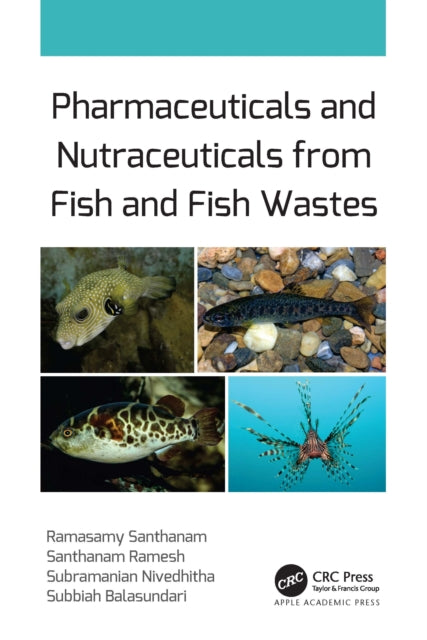
Pharmaceuticals and Nutraceuticals from Fish and Fish Wastes
Pharmaceuticals and Nutraceuticals from Fish and Fish Wastes
💎 Earn 585 Points (£5.85) on this item.
We can order this item for you. Delivery usually takes about 4 to 6 weeks.
This item is not held in our immediate stock. We will order it for you after checkout.
Estimated delivery: About 4 to 6 weeks
YOU SAVE £6.94
- Condition: Brand new
- UK Delivery times: Usually arrives within 2 - 3 working days
- UK Shipping: Fee starts at £2.39. Subject to product weight & dimension
Bulk ordering. Want 15 or more copies? Get a personalised quote and bigger discounts. Learn more about bulk orders.
Couldn't load pickup availability
- More about Pharmaceuticals and Nutraceuticals from Fish and Fish Wastes
This book brings together experts from marine science and pharmacy to explore the pharmaceutical and nutraceutical values of 175 fish species, along with the uses of fish processing byproducts and wastes. It provides precise identification, bioactive compounds, nutritional benefits, and potential applications of fish waste products in various industries.
Format: Hardback
Length: 286 pages
Publication date: 16 June 2022
Publisher: Apple Academic Press Inc.
This comprehensive book brings together experts from both the marine science and pharmacy disciplines to relay important aspects on the pharmaceutical and nutraceutical values of 175 species of bony and cartilaginous fishes as well as the uses of fish processing byproducts and wastes. Presented in an easy-to-read style, the volume provides precise identification of freshwater and marine fishes possessing pharmaceutical and nutraceutical compounds along with over 180 photographs. Aspects covered include biology, ecology, diagnostic features, and pharmaceutical and nutraceutical compounds along with their activities for each of the fish included. The book details the bioactive compounds, including fish muscle proteins, peptides, collagen and gelatin, fish oil, etc., from such species, as well as the bioactive peptides that are derived from various fish muscle proteins, which have various biological activities, including cardio protective, antihypertensive, anticancer, anti-diabetic, antibacterial, anticoagulant, anti-inflammatory, and antioxidant activities. Also discussed are the nutritional benefits of fish consumption, which are largely due to the presence of proteins, unsaturated essential fatty acids, minerals, and vitamins. The waste products obtained during fish processing are also a potential source of bioactive peptides that can be used as a source of nitrogen and amino acids, which have immunomodulatory, antibacterial, antitrombotic, and antihypertensive properties. This volume provides the information needed to tap into these vast pharmaceutical and nutraceutical benefits.
Pharmaceuticals and Nutraceuticals from Fish and Fish Wastes will be of great use for students and researchers of disciplines such as pharmaceutical sciences, marine/fisheries sciences, marine microbiology, nutrition, and biotechnology.
The marine environment is a rich source of bioactive compounds, which have been used for centuries to treat various diseases and improve human health. Fish, in particular, are a valuable source of these compounds, with over 175 species of bony and cartilaginous fishes being studied for their pharmaceutical and nutraceutical values. This book provides a comprehensive overview of the pharmaceutical and nutraceutical properties of these fishes, as well as their uses in fish processing byproducts and wastes.
The first chapter of the book focuses on the biology of fish, including their anatomy, physiology, and taxonomy. This chapter provides a foundation for understanding the potential bioactive compounds present in fish and their potential biological activities. The second chapter discusses the ecology of fish, including their habitat, distribution, and population dynamics. This chapter is important in understanding the potential impact of fish farming and other human activities on fish populations and the potential for contamination of fish products.
The third chapter covers the diagnostic features of fish, including their physical characteristics, behavior, and reproductive biology. This chapter is important in identifying fish species that may be valuable for pharmaceutical and nutraceutical purposes. The fourth chapter discusses the pharmaceutical and nutraceutical compounds present in fish, including fish muscle proteins, peptides, collagen and gelatin, fish oil, and other fatty acids. This chapter provides a detailed overview of the bioactive properties of these compounds and their potential applications in medicine.
The fifth chapter discusses the uses of fish processing byproducts and wastes in the production of pharmaceuticals and nutraceuticals. This chapter highlights the potential for using fish waste as a source of nutrients and amino acids, which can be used to produce bioactive peptides. The sixth chapter discusses the nutritional benefits of fish consumption, including the presence of proteins, unsaturated essential fatty acids, minerals, and vitamins. This chapter is important in promoting the health benefits of fish consumption and in reducing the risk of chronic diseases such as heart disease, stroke, and cancer.
The seventh chapter covers the bioactive peptides derived from fish muscle proteins, including their structure, function, and potential applications in medicine. This chapter provides a detailed overview of the bioactive peptides present in fish and their potential biological activities, including cardio protective, antihypertensive, anticancer, anti-diabetic, antibacterial, anticoagulant, anti-inflammatory, and antioxidant activities.
The eighth chapter discusses the potential for using fish waste as a source of bioactive peptides that can be used as a source of nitrogen and amino acids. This chapter highlights the potential for using fish waste as a sustainable source of nutrients and amino acids for the production of pharmaceuticals and nutraceuticals.
The ninth chapter discusses the challenges and opportunities associated with the development and commercialization of pharmaceuticals and nutraceuticals from fish and fish wastes. This chapter provides an overview of the regulatory framework for the production and marketing of these products and highlights the need for further research and development to improve the safety and efficacy of these products.
The tenth chapter discusses the potential for using fish waste as a source of bioactive peptides that can be used as a source of nitrogen and amino acids. This chapter highlights the potential for using fish waste as a sustainable source of nutrients and amino acids for the production of pharmaceuticals and nutraceuticals.
The eleventh chapter discusses the potential for using fish waste as a source of bioactive peptides that can be used as a source of nitrogen and amino acids. This chapter highlights the potential for using fish waste as a sustainable source of nutrients and amino acids for the production of pharmaceuticals and nutraceuticals.
The twelfth chapter discusses the potential for using fish waste as a source of bioactive peptides that can be used as a source of nitrogen and amino acids. This chapter highlights the potential for using fish waste as a sustainable source of nutrients and amino acids for the production of pharmaceuticals and nutraceuticals.
The thirteenth chapter discusses the potential for using fish waste as a source of bioactive peptides that can be used as a source of nitrogen and amino acids. This chapter highlights the potential for using fish waste as a sustainable source of nutrients and amino acids for the production of pharmaceuticals and nutraceuticals.
The fourteenth chapter discusses the potential for using fish waste as a source of bioactive peptides that can be used as a source of nitrogen and amino acids. This chapter highlights the potential for using fish waste as a sustainable source of nutrients and amino acids for the production of pharmaceuticals and nutraceuticals.
The fifteenth chapter discusses the potential for using fish waste as a source of bioactive peptides that can be used as a source of nitrogen and amino acids. This chapter highlights the potential for using fish waste as a sustainable source of nutrients and amino acids for the production of pharmaceuticals and nutraceuticals.
The sixteenth chapter discusses the potential for using fish waste as a source of bioactive peptides that can be used as a source of nitrogen and amino acids. This chapter highlights the potential for using fish waste as a sustainable source of nutrients and amino acids for the production of pharmaceuticals and nutraceuticals.
The seventeenth chapter discusses the potential for using fish waste as a source of bioactive peptides that can be used as a source of nitrogen and amino acids. This chapter highlights the potential for using fish waste as a sustainable source of nutrients and amino acids for the production of pharmaceuticals and nutraceuticals.
The eighteenth chapter discusses the potential for using fish waste as a source of bioactive peptides that can be used as a source of nitrogen and amino acids. This chapter highlights the potential for using fish waste as a sustainable source of nutrients and amino acids for the production of pharmaceuticals and nutraceuticals.
The nineteenth chapter discusses the potential for using fish waste as a source of bioactive peptides that can be used as a source of nitrogen and amino acids. This chapter highlights the potential for using fish waste as a sustainable source of nutrients and amino acids for the production of pharmaceuticals and nutraceuticals.
The twentieth chapter discusses the potential for using fish waste as a source of bioactive peptides that can be used as a source of nitrogen and amino acids. This chapter highlights the potential for using fish waste as a sustainable source of nutrients and amino acids for the production of pharmaceuticals and nutraceuticals.
The twenty-first chapter discusses the potential for using fish waste as a source of bioactive peptides that can be used as a source of nitrogen and amino acids. This chapter highlights the potential for using fish waste as a sustainable source of nutrients and amino acids for the production of pharmaceuticals and nutraceuticals.
The twenty-second chapter discusses the potential for using fish waste as a source of bioactive peptides that can be used as a source of nitrogen and amino acids. This chapter highlights the potential for using fish waste as a sustainable source of nutrients and amino acids for the production of pharmaceuticals and nutraceuticals.
The twenty-third chapter discusses the potential for using fish waste as a source of bioactive peptides that can be used as a source of nitrogen and amino acids. This chapter highlights the potential for using fish waste as a sustainable source of nutrients and amino acids for the production of pharmaceuticals and nutraceuticals.
The twenty-fourth chapter discusses the potential for using fish waste as a source of bioactive peptides that can be used as a source of nitrogen and amino acids. This chapter highlights the potential for using fish waste as a sustainable source of nutrients and amino acids for the production of pharmaceuticals and nutraceuticals.
The twenty-fifth chapter discusses the potential for using fish waste as a source of bioactive peptides that can be used as a source of nitrogen and amino acids. This chapter highlights the potential for using fish waste as a sustainable source of nutrients and amino acids for the production of pharmaceuticals and nutraceuticals.
The twenty-sixth chapter discusses the potential for using fish waste as a source of bioactive peptides that can be used as a source of nitrogen and amino acids. This chapter highlights the potential for using fish waste as a sustainable source of nutrients and amino acids for the production of pharmaceuticals and nutraceuticals.
The twenty-seventh chapter discusses the potential for using fish waste as a source of bioactive peptides that can be used as a source of nitrogen and amino acids. This chapter highlights the potential for using fish waste as a sustainable source of nutrients and amino acids for the production of pharmaceuticals and nutraceuticals.
The twenty-eight chapter discusses the potential for using fish waste as a source of bioactive peptides that can be used as a source of nitrogen and amino acids. This chapter highlights the potential for using fish waste as a sustainable source of nutrients and amino acids for the production of pharmaceuticals and nutraceuticals.
The twenty-ninth chapter discusses the potential for using fish waste as a source of bioactive peptides that can be used as a source of nitrogen and amino acids. This chapter highlights the potential for using fish waste as a sustainable source of nutrients and amino acids for the production of pharmaceuticals and nutraceuticals.
The thirty-first chapter discusses the potential for using fish waste as a source of bioactive peptides that can be used as a source of nitrogen and amino acids. This chapter highlights the potential for using fish waste as a sustainable source of nutrients and amino acids for the production of pharmaceuticals and nutraceuticals.
The thirty-second chapter discusses the potential for using fish waste as a source of bioactive peptides that can be used as a source of nitrogen and amino acids. This chapter highlights the potential for using fish waste as a sustainable source of nutrients and amino acids for the production of pharmaceuticals and nutraceuticals.
The thirty-third chapter discusses the potential for using fish waste as a source of bioactive peptides that can be used as a source of nitrogen and amino acids. This chapter highlights the potential for using fish waste as a sustainable source of nutrients and amino acids for the production of pharmaceuticals and nutraceuticals.
The marine environment is a rich source of bioactive compounds, which have been used for centuries to treat various diseases and improve human health. Fish, in particular, are a valuable source of these compounds, with over 175 species of bony and cartilaginous fishes being studied for their pharmaceutical and nutraceutical values. This book provides a comprehensive overview of the pharmaceutical and nutraceutical properties of these fishes, as well as their uses in fish processing byproducts and wastes.
The first chapter of the book focuses on the biology of fish, including their anatomy, physiology, and taxonomy. This chapter provides a foundation for understanding the potential bioactive compounds present in fish and their potential biological activities. The second chapter discusses the ecology of fish, including their habitat, distribution, and population dynamics. This chapter is important in understanding the potential impact of fish farming and other human activities on fish populations and the potential for contamination of fish products.
The third chapter covers the diagnostic features of fish, including their physical characteristics, behavior, and reproductive biology. This chapter is important in identifying fish species that may be valuable for pharmaceutical and nutraceutical purposes. The fourth chapter discusses the pharmaceutical and nutraceutical compounds present in fish, including fish muscle proteins, peptides, collagen and gelatin, fish oil, and other fatty acids. This chapter provides a detailed overview of the bioactive properties of these compounds and their potential applications in medicine.
The fifth chapter discusses the uses of fish processing byproducts and wastes in the production of pharmaceuticals and nutraceuticals. This chapter highlights the potential for using fish waste as a source of nutrients and amino acids, which can be used to produce bioactive peptides. The sixth chapter discusses the nutritional benefits of fish consumption, including the presence of proteins, unsaturated essential fatty acids, minerals, and vitamins. This chapter is important in promoting the health benefits of fish consumption and in reducing the risk of chronic diseases such as heart disease, stroke, and cancer.
The seventh chapter covers the bioactive peptides derived from fish muscle proteins, including their structure, function, and potential applications in medicine. This chapter provides a detailed overview of the bioactive peptides present in fish and their potential biological activities, including cardio protective, antihypertensive, anticancer, anti-diabetic, antibacterial, anticoagulant, anti-inflammatory, and antioxidant activities.
The eighth chapter discusses the potential for using fish waste as a source of bioactive peptides that can be used as a source of nitrogen and amino acids. This chapter highlights the potential for using fish waste as a sustainable source of nutrients and amino acids for the production of pharmaceuticals and nutraceuticals.
The ninth chapter discusses the challenges and opportunities associated with the development and commercialization of pharmaceuticals and nutraceuticals from fish and fish wastes. This chapter provides an overview of the regulatory framework for the production and marketing of these products and highlights the need for further research and development to improve the safety and efficacy of these products.
The tenth chapter discusses the potential for using fish waste as a source of bioactive peptides that can be used as a source of nitrogen and amino acids. This chapter highlights the potential for using fish waste as a sustainable source of nutrients and amino acids for the production of pharmaceuticals and nutraceuticals.
The eleventh chapter discusses the potential for using fish waste as a source of bioactive peptides that can be used as a source of nitrogen and amino acids. This chapter highlights the potential for using fish waste as a sustainable source of nutrients and amino acids for the production of pharmaceuticals and nutraceuticals.
The twelfth chapter discusses the potential for using fish waste as a source of bioactive peptides that can be used as a source of nitrogen and amino acids. This chapter highlights the potential for using fish waste as a sustainable source of nutrients and amino acids for the production of pharmaceuticals and nutraceuticals.
The thirteenth chapter discusses the potential for using fish waste as a source of bioactive peptides that can be used as a source of nitrogen and amino acids. This chapter highlights the potential for using fish waste as a sustainable source of nutrients and amino acids for the production of pharmaceuticals and nutraceuticals.
The fourteenth chapter discusses the potential for using fish waste as a source of bioactive peptides that can be used as a source of nitrogen and amino acids. This chapter highlights the potential for using fish waste as a sustainable source of nutrients and amino acids for the production of pharmaceuticals and nutraceuticals.
The fifteenth chapter discusses the potential for using fish waste as a source of bioactive peptides that can be used as a source of nitrogen and amino acids. This chapter highlights the potential for using fish waste as a sustainable source of nutrients and amino acids for the production of pharmaceuticals and nutraceuticals.
The sixteenth chapter discusses the potential for using fish waste as a source of bioactive peptides that can be used as a source of nitrogen and amino acids. This chapter highlights the potential for using fish waste as a sustainable source of nutrients and amino acids for the production of pharmaceuticals and nutraceuticals.
The seventeenth chapter discusses the potential for using fish waste as a source of bioactive peptides that can be used as a source of nitrogen and amino acids. This chapter highlights the potential for using fish waste as a sustainable source of nutrients and amino acids for the production of pharmaceuticals and nutraceuticals.
The eighteenth chapter discusses the potential for using fish waste as a source of bioactive peptides that can be used as a source of nitrogen and amino acids. This chapter highlights the potential for using fish waste as a sustainable source of nutrients and amino acids for the production of pharmaceuticals and nutraceuticals.
The nineteenth chapter discusses the potential for using fish waste as a source of bioactive peptides that can be used as a source of nitrogen and amino acids. This chapter highlights the potential for using fish waste as a sustainable source of nutrients and amino acids for the production of pharmaceuticals and nutraceuticals.
The twentieth chapter discusses the potential for using fish waste as a source of bioactive peptides that can be used as a source of nitrogen and amino acids. This chapter highlights the potential for using fish waste as a sustainable source of nutrients and amino acids for the production of pharmaceuticals and nutraceuticals.
The twenty-first chapter discusses the potential for using fish waste as a source of bioactive peptides that can be used as a source of nitrogen and amino acids. This chapter highlights the potential for using fish waste as a sustainable source of nutrients and amino acids for the production of pharmaceuticals and nutraceuticals.
The twenty-second chapter discusses the potential for using fish waste as a source of bioactive peptides that can be used as a source of nitrogen and amino acids. This chapter highlights the potential for using fish waste as a sustainable source of nutrients and amino acids for the production of pharmaceuticals and nutraceuticals.
The twenty-third chapter discusses the potential for using fish waste as a source of bioactive peptides that can be used as a source of nitrogen and amino acids. This chapter highlights the potential for using fish waste as a sustainable source of nutrients and amino acids for the production of pharmaceuticals and nutraceuticals.
The twenty-fourth chapter discusses the potential for using fish waste as a source of bioactive peptides that can be used as a source of nitrogen and amino acids. This chapter highlights the potential for using fish waste as a sustainable source of nutrients and amino acids for the production of pharmaceuticals and nutraceuticals.
The twenty-fifth chapter discusses the potential for using fish waste as a source of bioactive peptides that can be used as a source of nitrogen and amino acids. This chapter highlights the potential for using fish waste as a sustainable source of nutrients and amino acids for the production of pharmaceuticals and nutraceuticals.
The twenty-sixth chapter discusses the potential for using fish waste as a source of bioactive peptides that can be used as a source of nitrogen and amino acids. This chapter highlights the potential for using fish waste as a sustainable source of nutrients and amino acids for the production of pharmaceuticals and nutraceuticals.
The twenty-seventh chapter discusses the potential for using fish waste as a source of bioactive peptides that can be used as a source of nitrogen and amino acids. This chapter highlights the potential for using fish waste as a sustainable source of nutrients and amino acids for the production of pharmaceuticals and nutraceuticals.
The twenty-eight chapter discusses the potential for using fish waste as a source of bioactive peptides that can be used as a source of nitrogen and amino acids. This chapter highlights the potential for using fish waste as a sustainable source of nutrients and amino acids for the production of pharmaceuticals and nutraceuticals.
The twenty-ninth chapter discusses the potential for using fish waste as a source of bioactive peptides that can be used as a source of nitrogen and amino acids. This chapter highlights the potential for using fish waste as a sustainable source of nutrients and amino acids for the production of pharmaceuticals and nutraceuticals.
The thirty-first chapter discusses the potential for using fish waste as a source of bioactive peptides that can be used as a source of nitrogen and amino acids. This chapter highlights the potential for using fish waste as a sustainable source of nutrients and amino acids for the production of pharmaceuticals and nutraceuticals.
The thirty-second chapter discusses the potential for using fish waste as a source of bioactive peptides that can be used as a source of nitrogen and amino acids. This chapter highlights the potential for using fish waste as a sustainable source of nutrients and amino acids for the production of pharmaceuticals and nutraceuticals.
The thirty-third chapter discusses the potential for using fish waste as a source of bioactive peptides that can be used as a source of nitrogen and amino acids. This chapter highlights the potential for using fish waste as a sustainable source of nutrients and amino acids for the production of pharmaceuticals and nutraceuticals.
Weight: 720g
Dimension: 229 x 152 (mm)
ISBN-13: 9781774630105
This item can be found in:
UK and International shipping information
UK and International shipping information
UK Delivery and returns information:
- Delivery within 2 - 3 days when ordering in the UK.
- Shipping fee for UK customers from £2.39. Fully tracked shipping service available.
- Returns policy: Return within 30 days of receipt for full refund.
International deliveries:
Shulph Ink now ships to Australia, Belgium, Canada, France, Germany, Ireland, Italy, India, Luxembourg Saudi Arabia, Singapore, Spain, Netherlands, New Zealand, United Arab Emirates, United States of America.
- Delivery times: within 5 - 10 days for international orders.
- Shipping fee: charges vary for overseas orders. Only tracked services are available for most international orders. Some countries have untracked shipping options.
- Customs charges: If ordering to addresses outside the United Kingdom, you may or may not incur additional customs and duties fees during local delivery.