Shulph Ink
Phenotyping of Human iPSC-derived Neurons: Patient-Driven Research
Phenotyping of Human iPSC-derived Neurons: Patient-Driven Research
💎 Earn 508 Points (£5.08) on this item.
YOU SAVE £13.23
- Condition: Brand new
- UK Delivery times: Usually arrives within 2 - 3 working days
- UK Shipping: Fee starts at £2.39. Subject to product weight & dimension
Bulk ordering. Want 15 or more copies? Get a personalised quote and bigger discounts. Learn more about bulk orders.
Couldn't load pickup availability
- More about Phenotyping of Human iPSC-derived Neurons: Patient-Driven Research
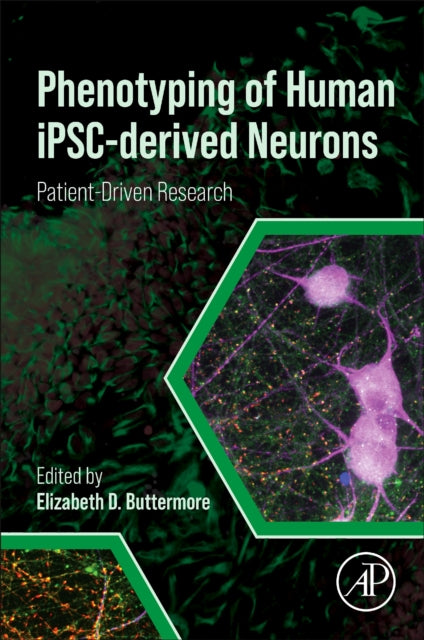
Patient-Driven Research examines the steps in a preclinical pipeline that utilizes iPSC-derived neuronal technology to better understand neurological disorders and identify novel therapeutics. It presents example projects that identify phenotypes and mechanisms relevant to autism spectrum disorder and epilepsy, and provides suggestions for improvement.
Format: Paperback / softback
Length: 372 pages
Publication date: 15 September 2022
Publisher: Elsevier Science Publishing Co Inc
Patient-Driven Research: Unlocking the Potential of iPSC-Derived Neurons in Understanding Neurological Disorders and Developing Novel Therapeutics
The field of phenotyping human iPSC-derived neurons has emerged as a powerful tool in the preclinical pipeline for better understanding neurological disorders and identifying novel therapeutics. This approach involves utilizing iPSC-derived neuronal technology to generate patient-specific neurons that can be used to model neurological conditions and test potential treatments.
One of the key advantages of patient-driven research is its ability to provide insights into the genetic and molecular mechanisms underlying neurological disorders. By generating iPSC-derived neurons from patients with specific disorders, researchers can study the cellular and molecular changes that occur in these cells and identify potential targets for therapeutic intervention.
In addition to understanding the underlying mechanisms of neurological disorders, patient-driven research can also be used to develop personalized treatments. By studying the genetic and molecular differences between patients with similar disorders, researchers can identify specific biomarkers that can be used to predict response to therapy and tailor treatment regimens accordingly.
One example of a patient-driven research project that has identified phenotypes and mechanisms relevant to autism spectrum disorder and epilepsy is the work of Dr. Michael J. Fox and his team at the Michael J. Fox Foundation. Using iPSC-derived neurons from patients with these disorders, they have identified specific cellular and molecular changes that are associated with these conditions. This research has led to the development of new therapeutic strategies that are aimed at targeting these specific pathways.
Another example of a patient-driven research project is the work of Dr. David M. Holtzman and his team at the University of California, San Francisco. Using iPSC-derived neurons from patients with Parkinson's disease, they have identified specific cellular and molecular changes that are associated with this disorder. This research has led to the development of new therapeutic strategies that are aimed at mitigating the symptoms of Parkinson's disease.
In addition to identifying novel therapeutics, patient-driven research can also be used to improve the reproducibility and efficiency of the preclinical pipeline. By generating iPSC-derived neurons from multiple patients with the same disorder, researchers can compare and contrast the phenotypes and mechanisms of these cells and identify potential sources of variability. This information can then be used to improve the design and execution of future studies and improve the accuracy of drug discovery.
One of the challenges of patient-driven research is the need for large amounts of patient-specific data. This data can be difficult to collect and analyze, and it can be expensive and time-consuming. However, advances in technology, such as next-generation sequencing and single-cell analysis, have made it possible to generate and analyze large amounts of data quickly and efficiently.
In conclusion, phenotyping human iPSC-derived neurons has emerged as a powerful tool in the preclinical pipeline for better understanding neurological disorders and identifying novel therapeutics. By utilizing patient-specific neurons to model neurological conditions and test potential treatments, researchers can gain insights into the genetic and molecular mechanisms underlying these disorders and develop personalized treatments. In addition, patient-driven research can improve the reproducibility and efficiency of the preclinical pipeline and lead to the development of new therapeutic strategies that can improve the lives of patients with neurological disorders.
Weight: 806g
Dimension: 192 x 234 x 24 (mm)
ISBN-13: 9780128222775
UK and International shipping information
UK and International shipping information
UK Delivery and returns information:
- Delivery within 2 - 3 days when ordering in the UK.
- Shipping fee for UK customers from £2.39. Fully tracked shipping service available.
- Returns policy: Return within 30 days of receipt for full refund.
International deliveries:
Shulph Ink now ships to Australia, Belgium, Canada, France, Germany, Ireland, Italy, India, Luxembourg Saudi Arabia, Singapore, Spain, Netherlands, New Zealand, United Arab Emirates, United States of America.
- Delivery times: within 5 - 10 days for international orders.
- Shipping fee: charges vary for overseas orders. Only tracked services are available for most international orders. Some countries have untracked shipping options.
- Customs charges: If ordering to addresses outside the United Kingdom, you may or may not incur additional customs and duties fees during local delivery.