Shulph Ink
Plastic Pollution and Marine Conservation: Approaches to Protect Biodiversity and Marine Life
Plastic Pollution and Marine Conservation: Approaches to Protect Biodiversity and Marine Life
💎 Earn 585 Points (£5.85) on this item.
YOU SAVE £9.84
- Condition: Brand new
- UK Delivery times: Usually arrives within 2 - 3 working days
- UK Shipping: Fee starts at £2.39. Subject to product weight & dimension
Bulk ordering. Want 15 or more copies? Get a personalised quote and bigger discounts. Learn more about bulk orders.
Couldn't load pickup availability
- More about Plastic Pollution and Marine Conservation: Approaches to Protect Biodiversity and Marine Life
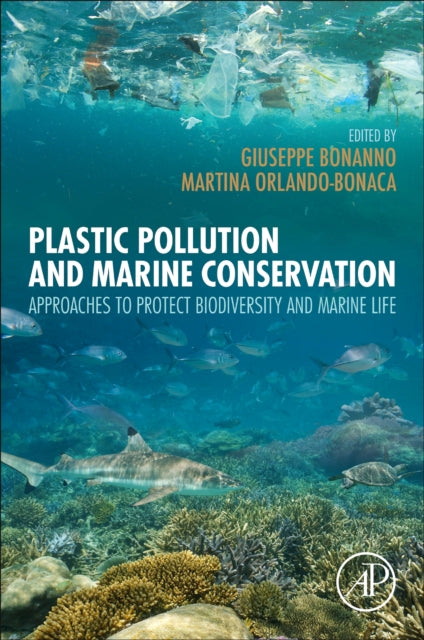
Plastic Pollution and Marine Conservation: Approaches to Protect Biodiversity and Marine Life is a comprehensive book that explores the consequences of plastic waste in marine environments, synthesizing historical information, gaps in current knowledge, and recent discoveries by international experts. It is a valuable resource for marine conservationists, environmental managers, decision-makers, NGOs, private companies, and activists working to combat plastics in our seas and oceans.
Format: Paperback / softback
Length: 346 pages
Publication date: 09 March 2022
Publisher: Elsevier Science Publishing Co Inc
Plastic pollution and marine conservation: Approaches to Protect Biodiversity and Marine Life is a comprehensive guide that delves into the profound consequences of plastic waste in marine environments across various levels, encompassing ecological, biological, social, economic, and political aspects. Written by esteemed international experts in marine pollution, marine biology, and environmental resource management, this book serves as a valuable resource for a broad audience, including marine conservationists, environmental managers, policymakers, non-governmental organizations (NGOs), private companies, and activists dedicated to combating plastic pollution in our seas and oceans.
The book begins by synthesizing historical information, identifying gaps in current knowledge, and highlighting recent discoveries that have brought plastics to the forefront of global ocean ecosystems and wildlife concerns. Through vivid illustrations, it outlines the key stages that have contributed to the proliferation of plastic waste, making it a pressing issue for marine environments.
Chapter 1 provides an introduction to the topic, defining plastic pollution and its impact on marine ecosystems. It explores the sources of plastic pollution, including direct dumping, improper waste disposal, and the release of microplastics from various sources such as clothing, cosmetics, and industrial products. The chapter also highlights the ecological consequences of plastic pollution, including habitat destruction, entanglement of marine animals, and the release of harmful chemicals into the food chain.
Chapter 2 delves into the quantification of plastic input into marine environments, discussing methods and tools used to measure and estimate the amount of plastic waste entering the ocean. It explores the various pathways through which plastics can travel, including land-based sources, shipping, and fishing, and highlights the challenges associated with accurate measurement and monitoring.
Chapter 3 examines the sources of plastic pollution, focusing on the primary industries responsible for generating plastic waste. It explores the production, use, and disposal of plastics, as well as the economic and social factors that contribute to plastic pollution. The chapter also discusses the role of consumer behavior in reducing plastic waste and promoting sustainable practices.
Chapter 4 explores the ultimate fate of plastic waste in marine environments, discussing the various stages of degradation and the potential impacts on marine life. It explores the processes of photodegradation, biodegradation, and microplastics, as well as the challenges associated with each stage. The chapter also highlights the emerging concerns of microplastics, which are small particles of plastic that can be ingested by marine organisms and have been linked to various health problems.
Chapter 5 examines the ecological consequences of plastic pollution, focusing on the impact on marine ecosystems and biodiversity. It explores the effects of plastic debris on habitats, species composition, and ecosystem functioning, as well as the potential for ecological cascades and the loss of biodiversity. The chapter also discusses the role of marine conservation efforts in protecting and restoring marine ecosystems.
Chapter 6 explores the social and economic consequences of plastic pollution, focusing on the impacts on human communities, industries, and economies. It explores the costs associated with plastic waste management, including pollution control, waste disposal, and the rehabilitation of affected ecosystems. The chapter also discusses the potential for sustainable economic opportunities in the recycling and reuse of plastic waste.
Chapter 7 examines the political and policy implications of plastic pollution, focusing on the need for international cooperation and action. It explores the role of governments, international organizations, and private companies in addressing plastic pollution and promoting sustainable practices. The chapter also discusses the challenges and barriers to effective policy implementation and the role of public awareness and education in driving change.
In conclusion, Plastic Pollution and Marine Conservation: Approaches to Protect Biodiversity and Marine Life is a comprehensive and essential resource for anyone interested in understanding the consequences of plastic waste in marine environments and the urgent need for action. Written by international experts in the field, the book provides a wealth of information, insights, and strategies for combating plastic pollution and protecting our seas and oceans. By raising awareness, promoting sustainable practices, and advocating for policy change, we can work together to create a healthier and more sustainable future for marine ecosystems and their wildlife.
Weight: 556g
Dimension: 227 x 151 x 24 (mm)
ISBN-13: 9780128224717
This item can be found in:
UK and International shipping information
UK and International shipping information
UK Delivery and returns information:
- Delivery within 2 - 3 days when ordering in the UK.
- Shipping fee for UK customers from £2.39. Fully tracked shipping service available.
- Returns policy: Return within 30 days of receipt for full refund.
International deliveries:
Shulph Ink now ships to Australia, Belgium, Canada, France, Germany, Ireland, Italy, India, Luxembourg Saudi Arabia, Singapore, Spain, Netherlands, New Zealand, United Arab Emirates, United States of America.
- Delivery times: within 5 - 10 days for international orders.
- Shipping fee: charges vary for overseas orders. Only tracked services are available for most international orders. Some countries have untracked shipping options.
- Customs charges: If ordering to addresses outside the United Kingdom, you may or may not incur additional customs and duties fees during local delivery.