Shulph Ink
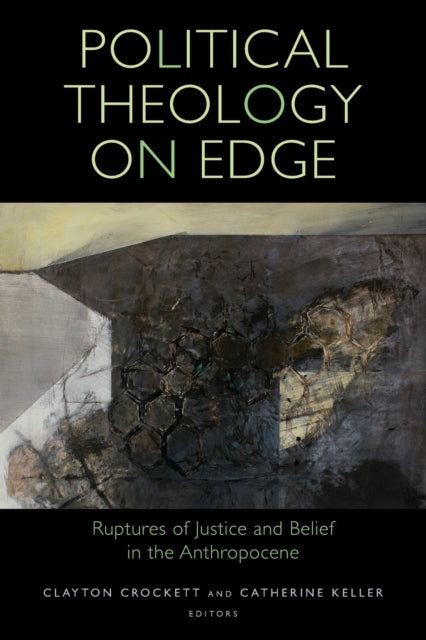
Political Theology on Edge: Ruptures of Justice and Belief in the Anthropocene
Political Theology on Edge: Ruptures of Justice and Belief in the Anthropocene
💎 Earn 112 Points (£1.12) on this item.
YOU SAVE £4.51
- Condition: Brand new
- UK Delivery times: Usually arrives within 2 - 3 working days
- UK Shipping: Fee starts at £2.39. Subject to product weight & dimension
Bulk ordering. Want 15 or more copies? Get a personalised quote and bigger discounts. Learn more about bulk orders.
Couldn't load pickup availability
- More about Political Theology on Edge: Ruptures of Justice and Belief in the Anthropocene
Political Theology on Edge explores the discourse of political theology in the context of global warming, neoliberal capitalism, racism, police brutality, and the COVID-19 pandemic. It emphasizes how climate change and ecological crises intersect with traditional themes of political theology, engaging with Schmitt's perspectives while also considering non-Christian political theologies such as Islam and Sikhism. The book features renowned scholars and emerging voices, opening up the tradition of political theology to new ideas and ways of thinking.
\n Format: Paperback / softback
\n Length: 288 pages
\n Publication date: 07 December 2021
\n Publisher: Fordham University Press
\n
Political theology is a field that is situated on the edge of a world that is grappling with a range of complex and interconnected challenges, including global warming, a brutal form of neoliberal capitalism, protests against racism and police brutality, and the COVID-19 pandemic. This edge is also a form of eschatology that forces us to imagine new ways of being religious and political in our cohabitation of a fragile and shared planet.
In Political Theology on Edge, a collection of essays, the discourse of political theology is explored as it pertains to these pressing issues. The essays in this volume examine how climate change and our ecological crises intersect and interact with more traditional themes of political theology, such as sovereignty, capitalism, and the politics of race. While the tradition of political theology is often associated with philosophical responses to the work of Carl Schmitt, the contributors to this volume are informed by Schmitt but not limited to his perspectives. They engage and transform political theology from the standpoint of climate change, the politics of race, and non-Christian political theologies, including Islam and Sikhism.
Several important themes are addressed in the book, including the Anthropocene, ecology, capitalism, sovereignty, Black Lives Matter, affect theory, continental philosophy, destruction, and suicide. World-renowned scholars and emerging voices contribute to the volume, offering new ideas and new ways of thinking about political theology.
One of the key themes explored in the book is the relationship between climate change and the politics of race. Contributors argue that climate change exacerbates existing inequalities and injustices, particularly for marginalized communities that are already vulnerable to environmental degradation. They explore how political theology can respond to these challenges by challenging the dominant narratives of environmentalism and promoting a more intersectional approach that recognizes the interconnectedness of social and ecological systems.
Another important theme is the role of sovereignty in the context of climate change and ecological crises. Contributors argue that traditional notions of sovereignty that prioritize the interests of nation-states are inadequate in addressing the global challenges we face. They explore how political theology can reconceptualize sovereignty in light of the interconnectedness of the planet and promote a more global and interdependent approach to governance.
Capitalism is also a central theme in the book, with contributors exploring how it perpetuates environmental degradation and inequality. They argue that political theology can challenge the dominant economic system and promote alternative economic models that prioritize sustainability and social justice.
Ecology is another important theme, with contributors exploring how political theology can contribute to the understanding and protection of the natural world. They argue that political theology can provide a moral framework for addressing environmental challenges and promote a more ecologically conscious approach to politics and society.
Black Lives Matter is another issue that is explored in the book, with contributors arguing that political theology can play a crucial role in challenging systemic racism and promoting racial justice. They explore how political theology can address the historical and structural roots of racism and promote a more inclusive and equitable society.
Affect theory is another important theme in the book, with contributors exploring how it can inform the study of political theology and promote a more empathetic and compassionate approach to politics. They argue that political theology can incorporate the insights of affect theory to better understand the experiences of marginalized communities and promote social change.
Continental philosophy is also a significant theme in the book, with contributors exploring how it can contribute to the reimagining of political theology and promote a more holistic and interdisciplinary approach to the study of politics and religion. They argue that political theology can benefit from the insights of continental philosophy to better understand the complex and interconnected nature of our world and promote a more ethical and sustainable approach to politics.
Destruction and suicide are also explored in the book, with contributors arguing that political theology can provide a framework for understanding and addressing these issues. They argue that political theology can offer a moral and ethical response to the destructive forces of war, violence, and social unrest and promote a more peaceful and just society.
In conclusion, Political Theology on Edge offers a comprehensive and interdisciplinary exploration of the discourse of political theology in the context of global warming, neoliberal capitalism, protests against racism and police brutality, and the COVID-19 pandemic. The book highlights the interconnectedness of these challenges and the need for new ways of being religious and political in our cohabitation of a fragile and shared planet. By engaging with a range of themes, including climate change, race, sovereignty, capitalism, ecology, Black Lives Matter, affect theory, continental philosophy, destruction, and suicide, the contributors to this volume offer new ideas and new ways of thinking about political theology. The book is a valuable resource for scholars, activists, and anyone interested in the intersection of politics, religion, and the environment.
\n Weight: 518g\n
Dimension: 152 x 230 x 23 (mm)\n
ISBN-13: 9780823298129\n \n
This item can be found in:
UK and International shipping information
UK and International shipping information
UK Delivery and returns information:
- Delivery within 2 - 3 days when ordering in the UK.
- Shipping fee for UK customers from £2.39. Fully tracked shipping service available.
- Returns policy: Return within 30 days of receipt for full refund.
International deliveries:
Shulph Ink now ships to Australia, Belgium, Canada, France, Germany, Ireland, Italy, India, Luxembourg Saudi Arabia, Singapore, Spain, Netherlands, New Zealand, United Arab Emirates, United States of America.
- Delivery times: within 5 - 10 days for international orders.
- Shipping fee: charges vary for overseas orders. Only tracked services are available for most international orders. Some countries have untracked shipping options.
- Customs charges: If ordering to addresses outside the United Kingdom, you may or may not incur additional customs and duties fees during local delivery.